Rinsing rice before cooking has become one of those seemingly simple kitchen rituals that sparks passionate debates. For some, it’s a non-negotiable tradition rooted in cultural practices and cooking principles. For others, it’s an unnecessary step that adds time to an already busy meal prep. Whether you’re team rinse or skip, this article dives deep into the reasons behind this practice, shedding light on what’s truly necessary when it comes to cooking rice.
Why Rinsing Rice Feels Essential to Many
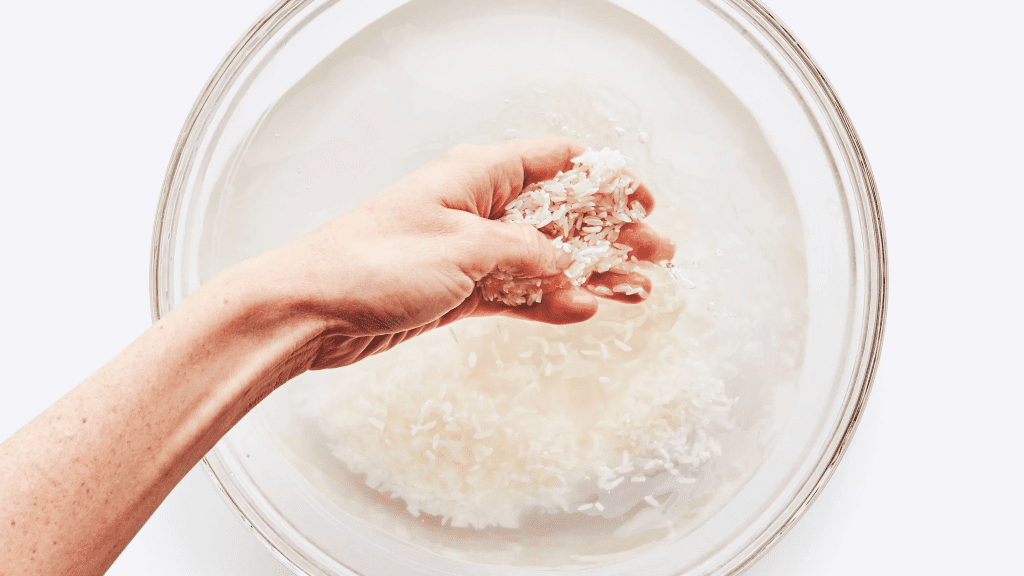
For many home cooks, rinsing rice isn’t just a step; it’s an essential process that ensures quality, cleanliness, and taste.
1. It Removes Excess Starch
Ever noticed how rice tends to clump together or turn gummy when cooked? That’s due to the surface starch on the grains, which dissolves into the water during cooking. Rinsing rice washes away this starch, leaving you with fluffy, distinct grains. This is particularly important for long-grain varieties like basmati or jasmine, where texture is everything.
2. It Ensures Cleanliness
Rice grains often go through extensive processing, packaging, and transport before they reach your kitchen. Along the way, they can pick up dust, debris, or even small impurities. Rinsing provides peace of mind by removing these residues, ensuring the rice you cook is clean and safe to eat.
3. It Honors Tradition
In many cultures, particularly across Asia, rinsing rice is a deeply ingrained tradition. It’s often done multiple times until the water runs clear, symbolizing respect for the food and the care that goes into its preparation.
Why Some Skip Rinsing Rice
Not everyone considers rinsing rice a necessary step. In fact, there are valid reasons why some cooks skip it altogether.
1. Modern Processing Methods
With advancements in food production, many rice varieties—especially pre-packaged or enriched rice—are already clean when purchased. These types often come pre-washed, making additional rinsing redundant.
2. Nutrient Retention
Fortified rice, enriched with vitamins and minerals, can lose some of its added nutrients during the rinsing process. For health-conscious cooks, skipping the rinse ensures those extra nutrients make it into the final dish.
3. Convenience
Let’s face it: rinsing rice takes time, and when you’re rushing to get dinner on the table, every minute counts. For many busy households, skipping this step is simply a matter of practicality.
What Happens When You Don’t Rinse Your Rice?
Skipping the rinse isn’t inherently dangerous, but it can affect the texture and cleanliness of your dish.
- Stickiness: Rice cooked without rinsing can turn sticky or gummy due to the surface starch. While this might work for dishes like risotto or sushi, it’s less desirable for fluffy rice dishes.
- Potential Impurities: Although rare, dust or residues from packaging and transport may still cling to the grains. For families, particularly those with young children, rinsing rice can offer extra peace of mind.
The Science Behind Rinsing Rice
Rinsing rice serves two primary purposes:
- Starch Removal: Milling rice creates a layer of starch on the grain’s surface. When rinsed, this starch is washed away, preventing clumping during cooking.
- Eliminating Impurities: Depending on processing methods, some rice may still carry small traces of dust, pesticides, or other residues. A quick rinse clears these away, ensuring a cleaner product.
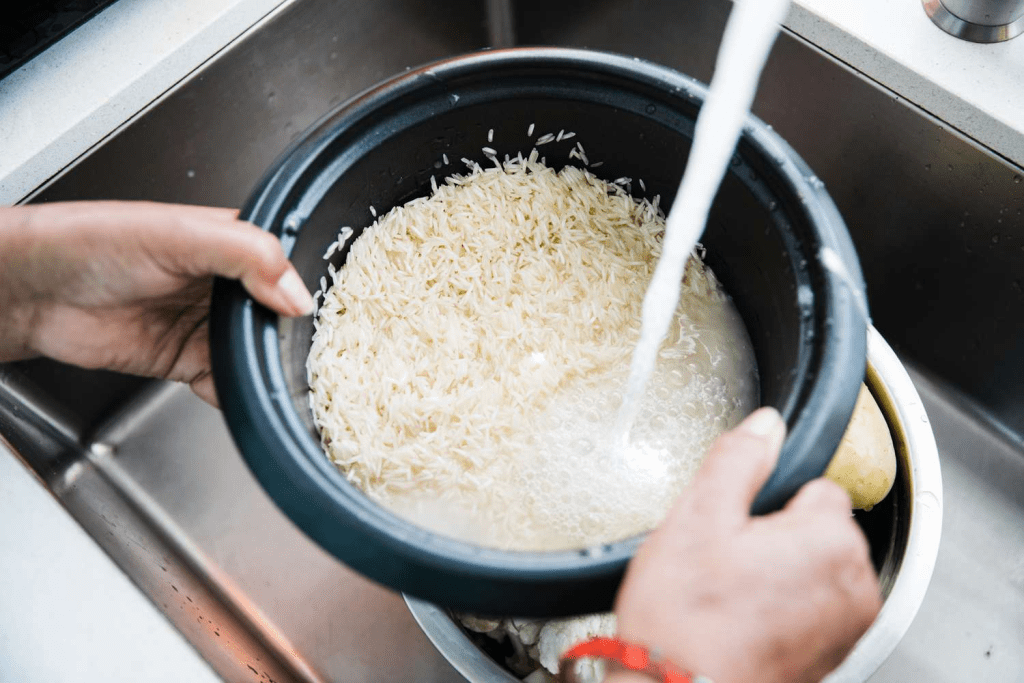
For those who skip rinsing, pre-washed varieties like parboiled or quick-cook rice are often a safer option, as they’re processed to reduce impurities.
Cultural Perspectives on Rinsing Rice
Rinsing rice is more than just a cooking step—it’s a cultural practice steeped in history and tradition.
In many Asian households, rice preparation is almost ritualistic. Washing rice until the water runs clear isn’t just about cleanliness; it’s a sign of respect for the food and the family it’s being prepared for. In contrast, Western cooking often emphasizes convenience, with pre-washed or enriched rice dominating supermarket shelves.
These differences highlight the diverse approaches to rice preparation across the globe, with neither being inherently right or wrong.
When Rinsing Is Non-Negotiable
There are certain situations where rinsing rice is strongly recommended:
- Long-Grain Rice: For fluffy dishes like pilaf or biryani, rinsing helps achieve the ideal texture.
- Imported or Bulk Rice: Rice bought in bulk or from international markets may contain more impurities, making rinsing essential.
- Cultural Dishes: Many traditional recipes rely on rinsed rice for authenticity and consistency.
When You Can Skip the Rinse
In some cases, skipping the rinse won’t make much of a difference:
- Pre-Washed Rice: Products labeled as pre-washed or ready-to-cook are already cleaned.
- Sticky Rice Recipes: For dishes like sushi or risotto, the extra starch can actually enhance the texture.
- Fortified Rice: To retain added nutrients, you might choose not to rinse enriched rice.
Teaching Kids About Rice Preparation
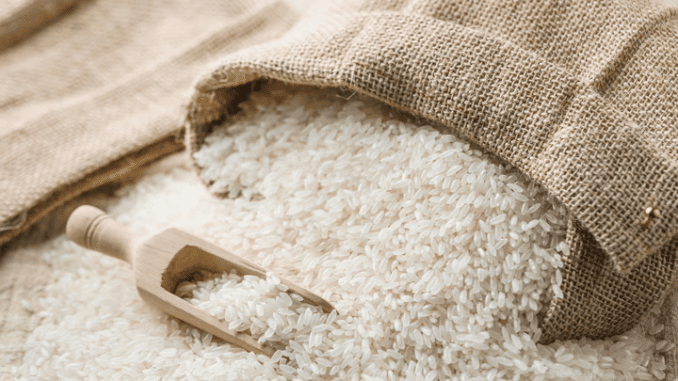
For parents, rinsing rice offers a great opportunity to teach kids about food hygiene and cultural traditions. It’s a simple, hands-on way to involve them in meal prep while instilling good habits. Plus, understanding why certain steps are taken can spark curiosity about cooking and where food comes from.
Conclusion: To Rinse or Not to Rinse?
At the end of the day, the choice to rinse rice depends on your priorities—whether it’s cleanliness, tradition, texture, or convenience. If you value fluffy, impurity-free rice, rinsing is worth the effort. But if time is of the essence or you’re using pre-washed or fortified rice, skipping the rinse is perfectly fine.
Ultimately, what matters most is enjoying the meal and the moments shared around the table. So whether you’re a dedicated rinser or a proud skipper, remember that cooking is as much about personal preference as it is about technique.
