Aldi’s Unique Shopping Cart Policy
Aldi, a well-known European grocery chain, entered the United States in 2017. While they introduced many new products, their policy regarding shopping carts puzzled many first-time customers. At Aldi, customers must pay to use the shopping carts.
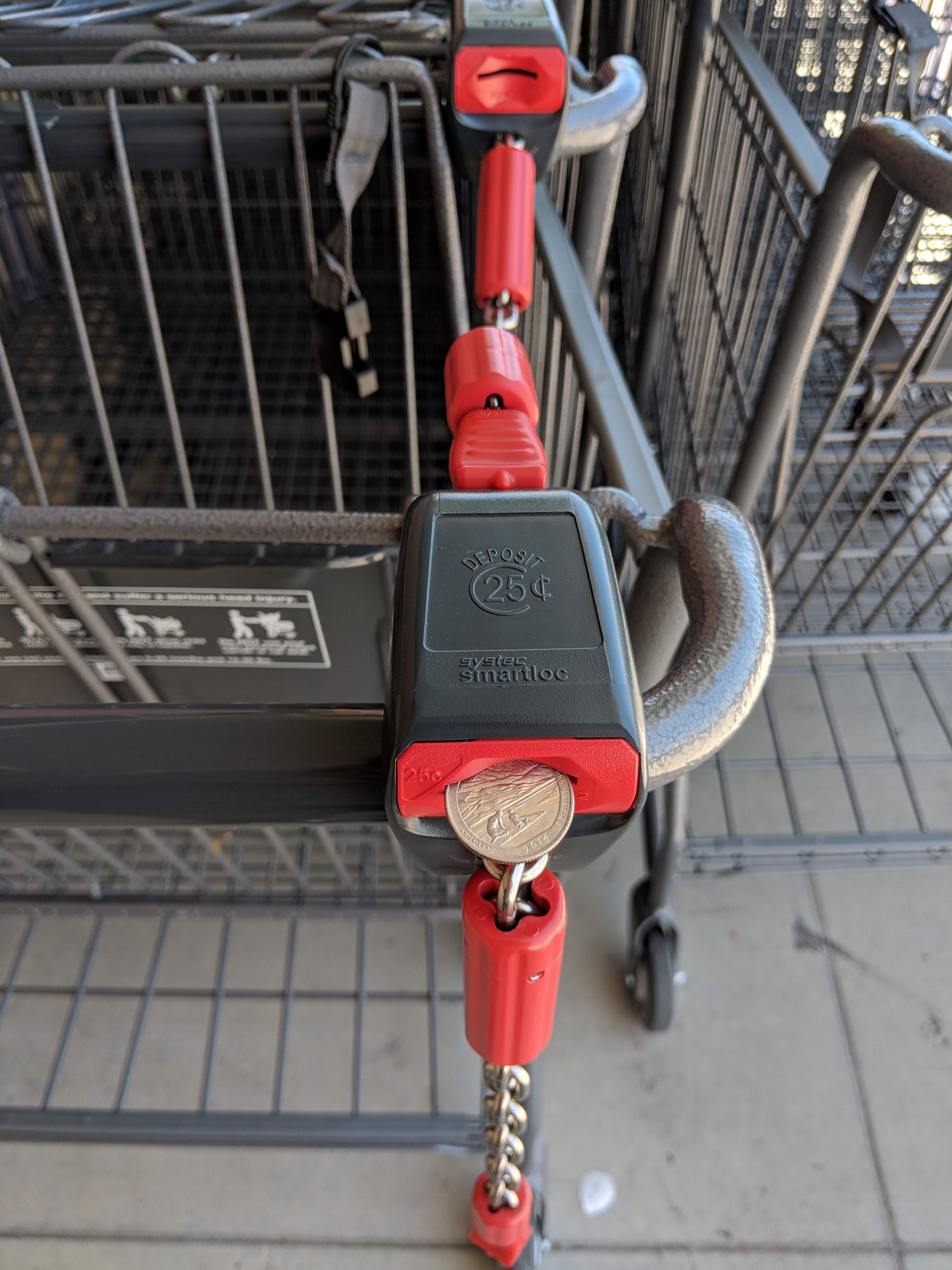
Paying for Aldi Shopping Carts
Aldi implemented a policy requiring a deposit for shopping carts. This approach may reflect public behavior, but several reasons support this rule.
Staying on Budget
First, Aldi is famous for offering high-quality products at low prices. To maintain this reputation, they cut costs in various ways. By requiring customers to return their own carts, Aldi saves money by not needing to hire additional staff for this task.
Cultural Differences
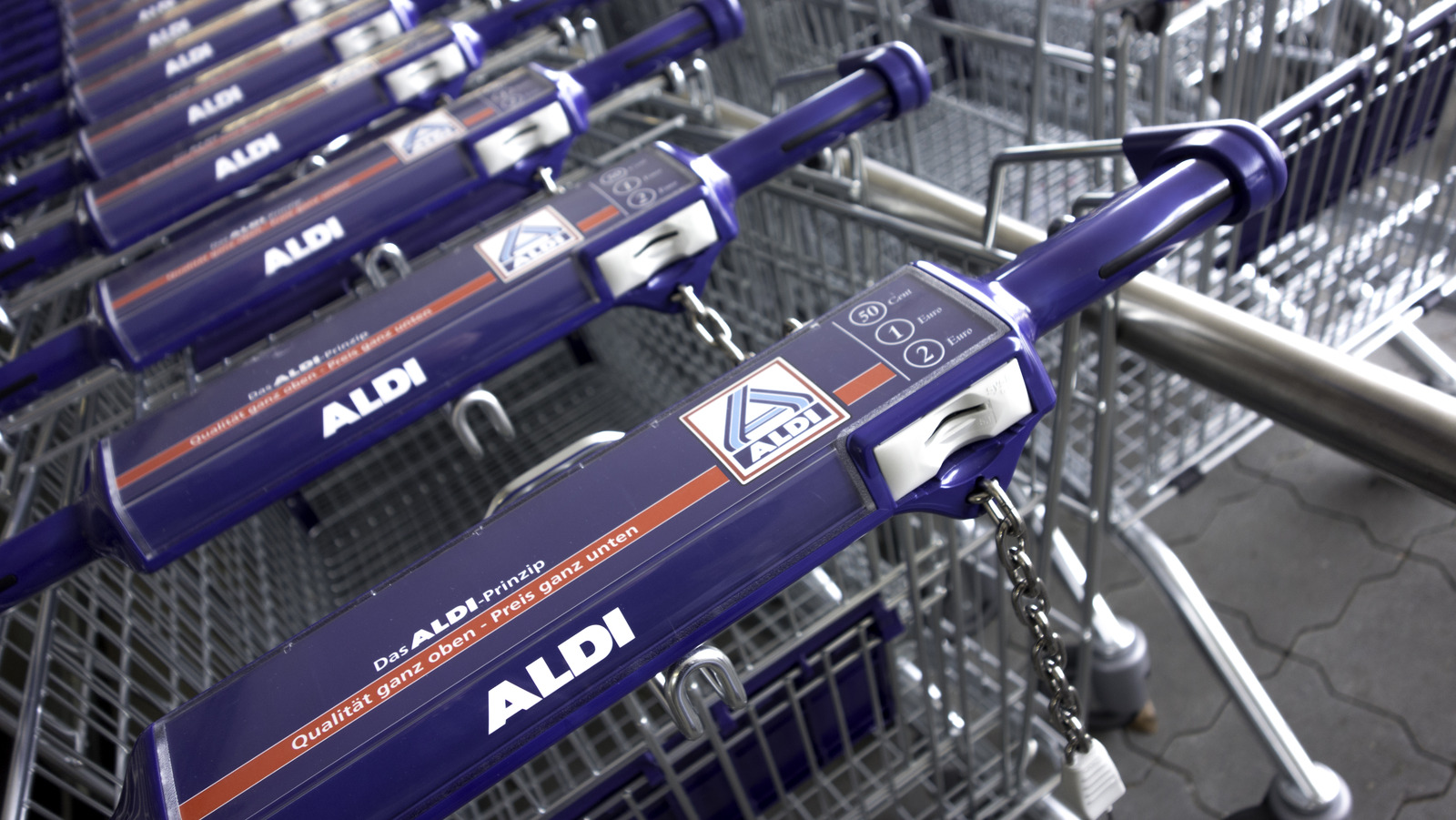
Next, Europeans generally show less concern for shopping carts compared to Americans. As a European chain, Aldi’s policies likely reflect cultural differences. For instance, many countries in Europe use “coin-release” carts, and in Italy, many shoppers don’t use carts at all. This may stem from the smaller size of European homes, which leads to less frequent bulk shopping.
In contrast, American homes are often larger with spacious kitchens. Consequently, Americans tend to buy in bulk from retailers like Costco or Sam’s Club.
Preventing Theft
Finally, requiring a payment for shopping carts helps prevent theft, which saves money for both the company and customers. Shopping cart theft has increased in the U.S. as homelessness rises. Each cart can cost between $75 and $250, leading to significant losses for businesses.

A Simple Deposit System
Using an Aldi shopping cart costs just a quarter. Customers receive their quarter back upon returning the cart. This system not only encourages cart returns but also keeps parking lots orderly. When carts are returned, they don’t block parking spaces or roll into parked cars.
While this policy may seem inconvenient, the benefits clearly outweigh the drawbacks.
