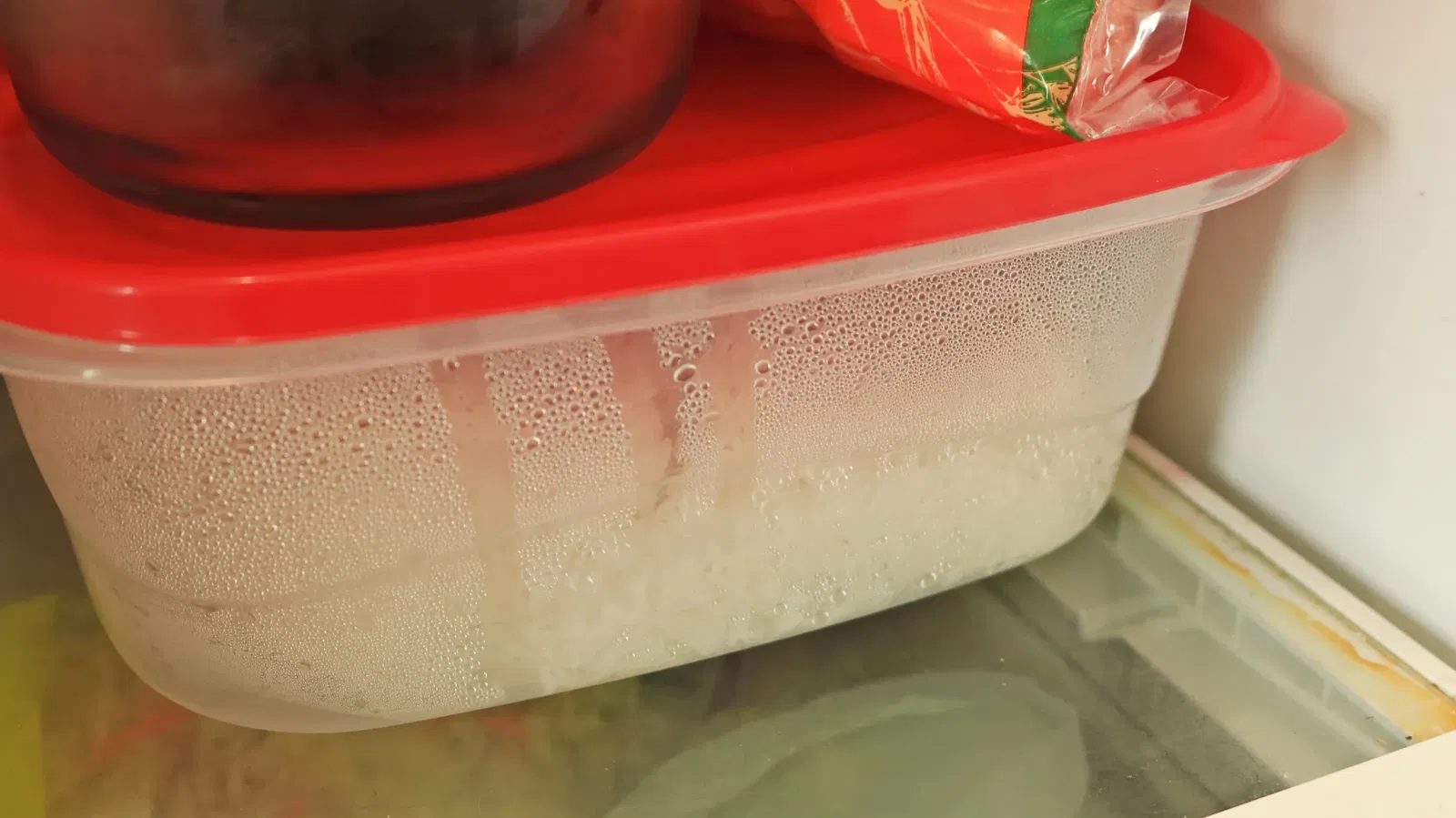
Most of us don’t think twice before tossing leftover rice into the fridge. It’s a popular habit: cook a big batch, store the rest, and reheat it for tomorrow’s lunch or dinner. But here’s something most people don’t know—leftover rice can become a hidden danger, even when kept in the refrigerator.
Yes, rice can grow bacteria, and it doesn’t always take bad smells or visible mold to signal that it’s unsafe to eat. The biggest culprit? A bacteria called Bacillus cereus—and it can survive cooking.
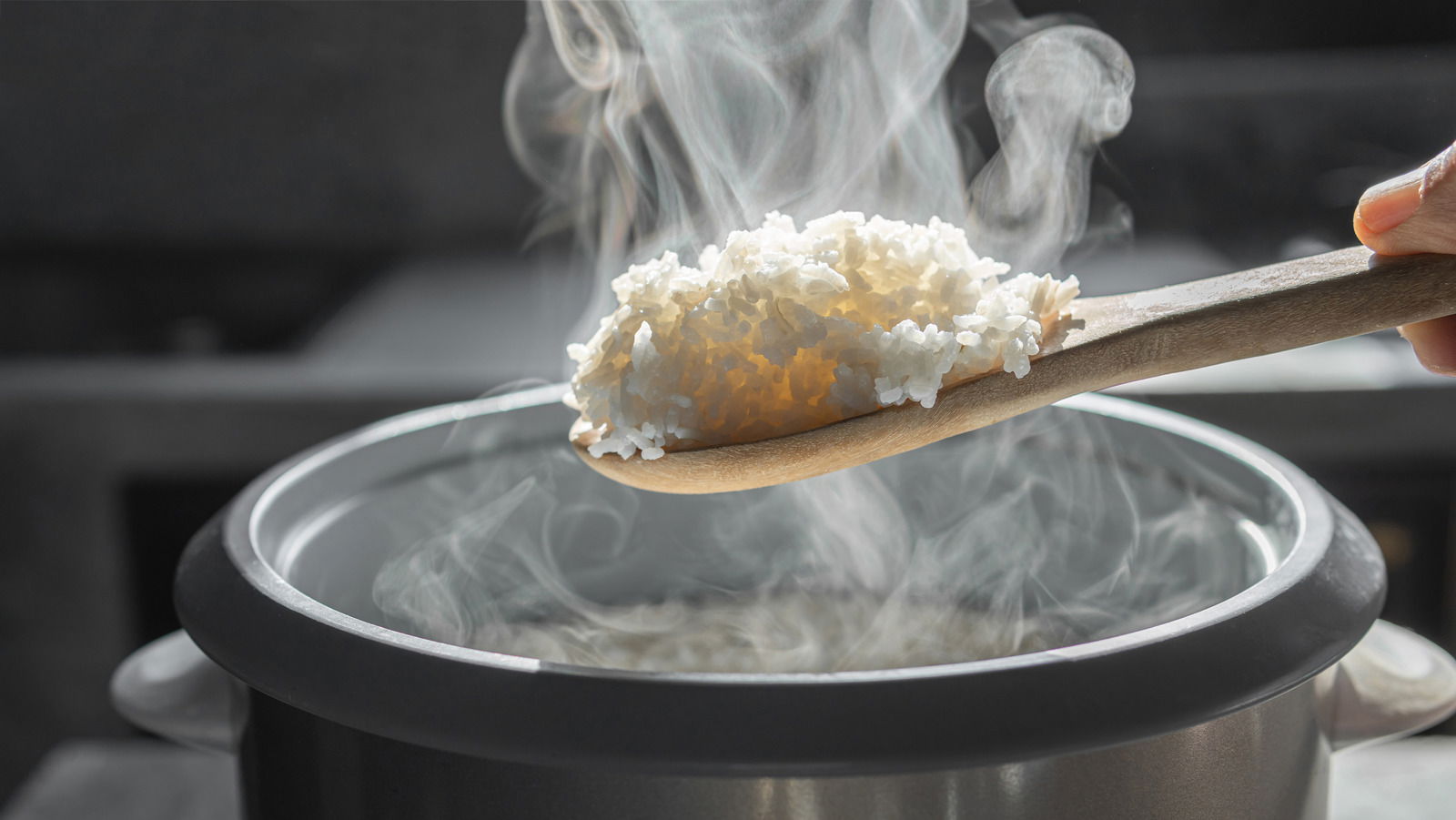
When rice is cooked, any spores of Bacillus cereus present in the uncooked grains can survive the heat.
If the rice is then left out too long before being refrigerated—or if it’s not cooled quickly enough, these spores can multiply rapidly. Even worse, the toxins they release are not damaged by reheating. That means you can zap your rice in the microwave, and it may still make you sick.
The most popular symptoms of Bacillus cereus food poisoning include nausea, vomiting, and diarrhea. The illness usually begins quickly—within 1 to 5 hours after eating contaminated rice—and while it’s rarely fatal, it can be quite severe, especially for children, older adults, and those with weak immune systems.
So, what should you do to stay safe?
1. Cool rice quickly: After cooking, don’t leave rice sitting out at room temperature for more than 1 hour. Spread it out on a tray or in a shallow container so it cools faster before putting it in the fridge.
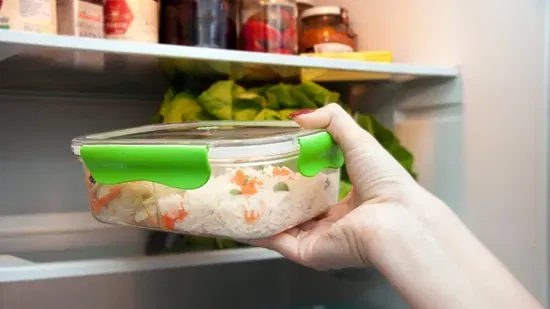
2. Store properly: Apply airtight containers and place the rice in the coldest part of the fridge. Don’t leave it uncovered or near the fridge door where temperatures fluctuate.
3. Don’t keep it too long: Even when stored properly, cooked rice should be eaten within 1–2 days. After that, toss it out—better safe than sorry.
4. Reheat only once: Reheating rice multiple times increases the risk of bacteria growth. Only heat the portion you plan to eat, and make sure it’s piping hot (at least 165°F or 74°C).
5. Trust your instincts, but not too much: Just because rice looks and smells fine doesn’t mean it’s safe. The toxins produced by Bacillus cereus are odorless and invisible.
The fridge is not a magical safety box. While it slows bacterial growth, it doesn’t stop it completely—and it won’t reverse damage already done. That’s why how you handle food before it enters the fridge is just as important as how you store it.
Leftover rice might seem harmless, but now you know that it’s one of the most overlooked food safety risks in the average home. So next time you’re about to stash that bowl of rice, remember: Cool it fast, store it smart, and never take the risk lightly.
