If you’ve ever followed a recipe and wondered why on earth you’re tossing a bay leaf into the pot, you’re not alone. Many cooks question the significance of this seemingly unremarkable leaf—especially when it doesn’t add an obvious flavor you can taste. But bay leaves aren’t just filler. They have a subtle, complex role in enhancing your dishes. Let’s unravel the mystery and find out why bay leaves are worth their place in the pantry.
The Historical Role of Bay Leaves in Cooking
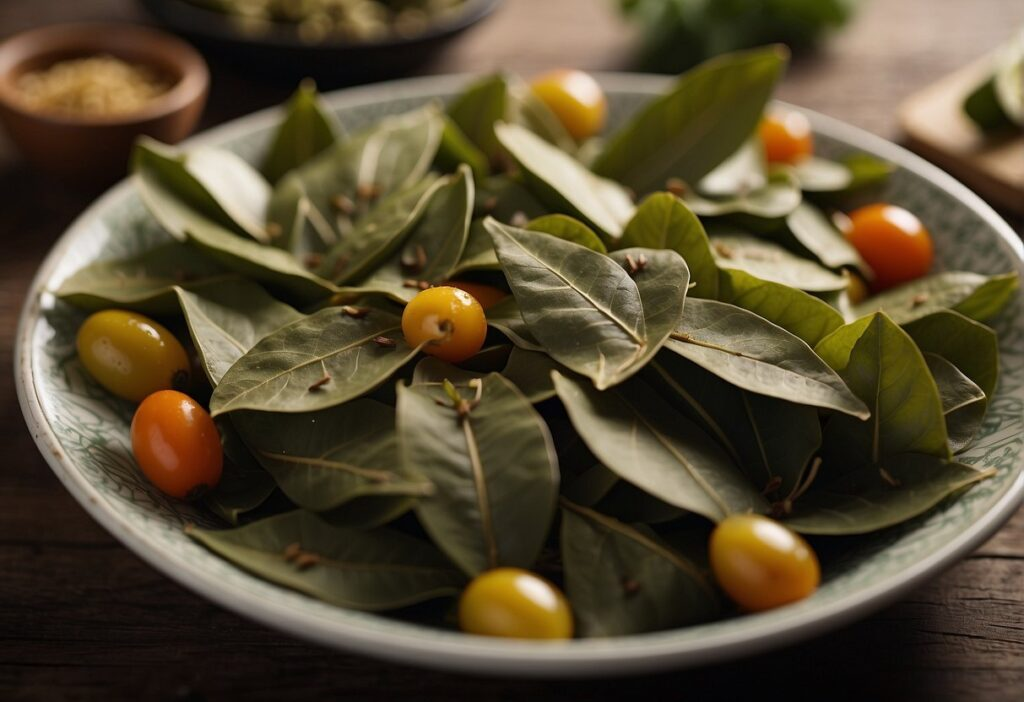
Bay leaves have a rich history in the culinary world and beyond. Ancient Greeks and Romans revered the laurel tree (from which bay leaves are derived) not just for its flavor but as a symbol of honor and victory. Emperors and champions wore laurel crowns as a mark of distinction. Over time, cooks across Europe, the Mediterranean, and Asia adopted bay leaves in their kitchens, using them to infuse food with a delicate aroma that complements a wide variety of flavors. Their legacy has lasted for centuries, marking them as a trusted staple in recipes worldwide.
The Aromatic Profile of Bay Leaves: Why Subtle Can Be Powerful
So, what exactly does a bay leaf add to a dish? Bay leaves carry a complex blend of aromatic notes, including pine, menthol, and pepper. When simmered in liquid, they release these oils slowly, which allows them to infuse the dish without overpowering other ingredients. The flavor profile of a bay leaf is often compared to a background harmony—it rounds out the overall taste, adding a subtle depth and smoothness to savory dishes.
This effect is especially pronounced in recipes with longer cooking times, such as stews, soups, and sauces, where the heat gradually coaxes the flavor from the leaf, contributing to a more unified, cohesive dish.
The Science Behind Bay Leaves: Key Compounds and Their Effects
The unique flavor of bay leaves comes down to their chemical makeup. The primary compounds include:
- Eucalyptol: This compound gives bay leaves their signature minty, camphor-like notes. It adds freshness to dishes without tasting “minty.”
- Eugenol: Found in cloves as well, eugenol brings a warm, slightly spicy tone that enhances the savory nature of dishes.
- Myrcene: With its balsamic undertones, myrcene contributes a hint of sweetness that balances more intense flavors.
Together, these compounds create an aromatic complexity that enhances and deepens the flavors of the other ingredients, allowing you to experience a richer taste profile without knowing exactly why.
How Bay Leaves Work Their Magic in Cooking
Bay leaves don’t add an overt flavor; instead, they act as a subtle enhancer. Imagine trying to enjoy a piece of music with only the melody—missing the harmony would make it sound incomplete. Bay leaves bring a similar “background harmony” to cooking. In dishes like tomato sauce, chicken broth, and slow-cooked stews, they add a gentle layer of flavor that ties everything together.
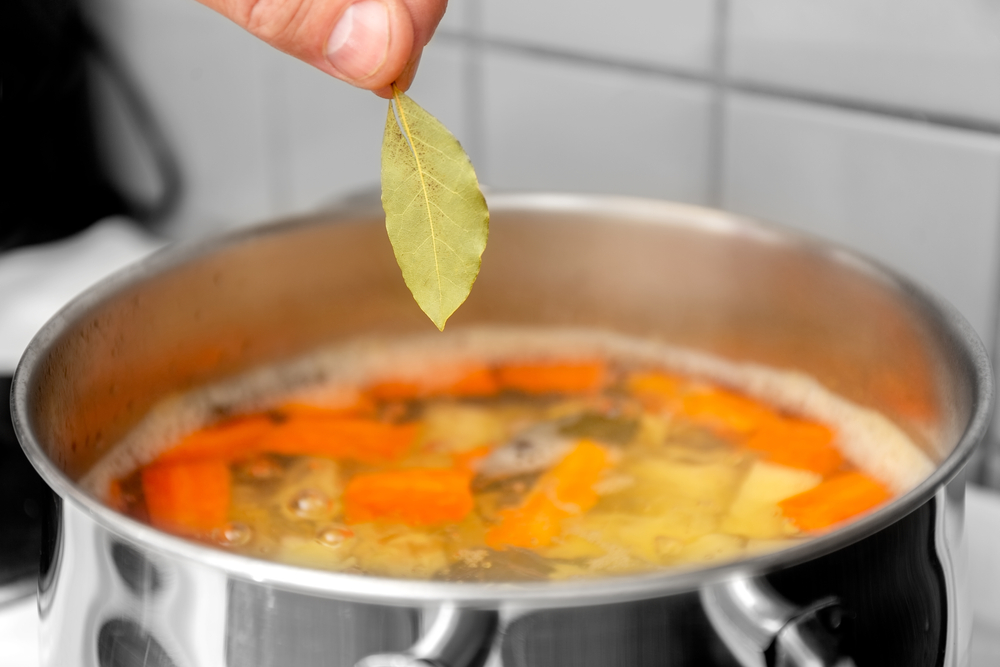
For best results, bay leaves should be added early in the cooking process, allowing their flavors to meld with the other ingredients. After a few hours of simmering, they quietly enhance the dish’s depth, making it taste fuller and richer.
Popular Culinary Applications for Bay Leaves
Bay leaves aren’t just a Western staple; they play a vital role in cuisines around the globe:
- French Cuisine: Bay leaves are a critical part of the bouquet garni, an herb bundle used to flavor soups, stocks, and sauces.
- Indian Dishes: Bay leaves are a common addition to curries and biryanis, contributing a soft, aromatic depth to these flavorful dishes.
- American Comfort Food: From gumbo to chili to hearty stews, bay leaves are a trusted addition in countless savory recipes.
These examples showcase the versatility of bay leaves, which can fit seamlessly into diverse flavor profiles, enriching the taste experience without taking center stage.
Are Bay Leaves Really Nutritious? The Real Deal on Nutritional Impact
While bay leaves contain trace amounts of vitamins A and C, folic acid, and other nutrients, they don’t significantly impact a dish’s nutritional value. Since bay leaves aren’t typically eaten whole and are used sparingly, their nutritional contribution is minimal. However, they can play a small role in boosting antioxidants in a dish, which may offer slight health benefits.
Bay Leaf Substitutes: Are There Any Good Alternatives?
If you’re out of bay leaves, finding a direct substitute can be tricky. Herbs like thyme or oregano may provide a similar earthy note, but they carry distinct flavors that could alter the dish’s profile. Thyme, for instance, has a more pronounced herbal taste, while oregano can add a slight bitterness. Using these substitutes can work in a pinch, but they won’t deliver the same subtle background effect as bay leaves.
Why Some People Can’t Taste the Difference with Bay Leaves
One of the biggest misconceptions about bay leaves is that they don’t “do” anything in a recipe. This perception often stems from the leaf’s subtlety—its impact is more about enhancing existing flavors rather than adding an obvious new taste. If you don’t have a highly sensitive palate, you might not consciously notice the bay leaf’s contribution. However, its absence in a dish is often more noticeable than its presence. Once you understand its role as a flavor harmonizer, you’ll appreciate the delicate yet essential contribution it makes.
Myth Busting: Are Bay Leaves Really a Waste of Money?
Some cooks feel bay leaves are unnecessary, especially given their subtlety. But consider this: the cost of bay leaves is relatively low, and they last for years when stored properly. A small investment in a jar of bay leaves can yield months (or even years) of elevated flavor in your cooking. Leaving out a bay leaf might seem insignificant, but you might be surprised by the difference in flavor complexity it makes, especially in dishes that rely on slow cooking and rich, savory profiles.
Proper Storage and Freshness Tips for Bay Leaves
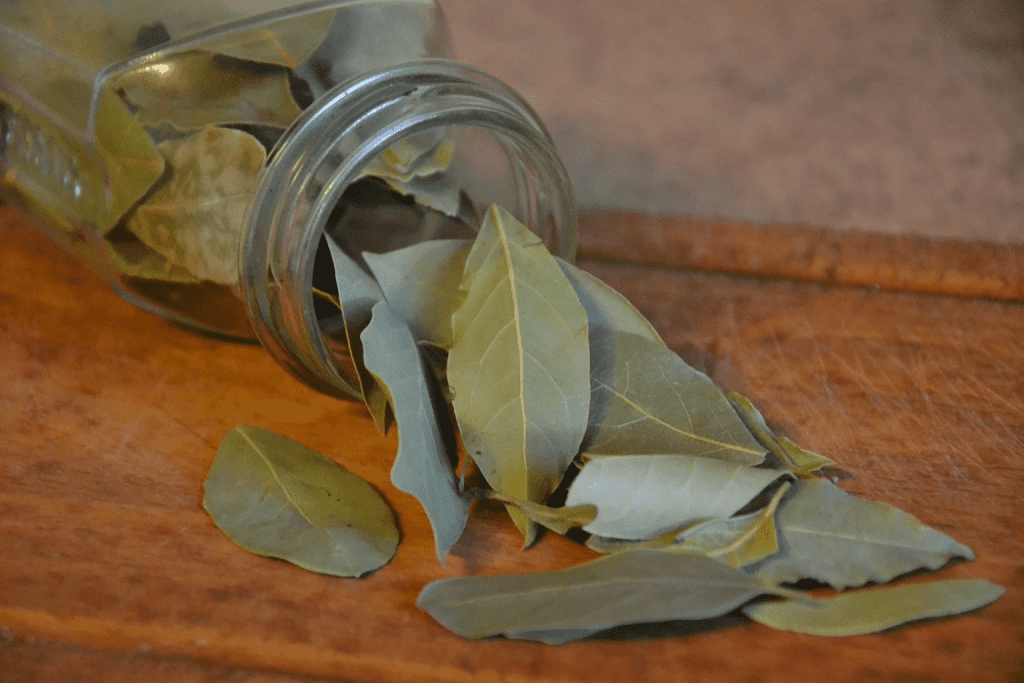
To keep bay leaves at their best, store them in an airtight container away from heat and light. Fresh bay leaves have a stronger aroma, but dried bay leaves, if stored correctly, can retain their potency for up to two years. Regularly replacing old bay leaves ensures you’re getting the most aromatic and flavorful infusion possible.
Try a Simple Bay Leaf Experiment
Curious to see (or taste) the difference for yourself? Try a quick flavor experiment by making two batches of the same recipe, one with and one without a bay leaf. A basic tomato sauce or broth works well for this test. You’ll notice that the version with the bay leaf has a slightly rounder, more cohesive taste—a subtle difference that becomes especially apparent once you know what to look for.
Conclusion: The Quiet Power of Bay Leaves in Cooking
Bay leaves may not shout their presence in a dish, but their quiet influence is undeniable. Acting as the “background harmony” of the culinary world, they add depth and unity to flavors, making your dishes taste fuller and more complete. So, the next time you see a bay leaf in a recipe, resist the urge to skip it. Embrace this humble leaf for what it truly is: a small but mighty enhancer that brings balance, richness, and a touch of tradition to your cooking.
