Overview
Field corn and sweet corn are two distinct types of corn, each with unique characteristics and uses. Though they may appear similar at a glance, their differences become evident in their appearance, taste, and applications.
Field Corn
Characteristics: Field corn, also known as dent corn or field corn, is primarily grown for agricultural and industrial purposes. The kernels of field corn are larger and tougher compared to sweet corn. They often have a dented appearance when dried, which is how they got their name.
Uses: Field corn is mainly used as animal feed, in the production of cornmeal, corn syrup, and other processed food products. It is also used in various industrial applications, including the production of ethanol and biodegradable plastics. The high starch content of field corn makes it ideal for these purposes.
Harvesting: Field corn is harvested when the kernels are fully mature and dry. Unlike sweet corn, which is consumed fresh, field corn is left to dry on the cob before being harvested. The dry kernels are then processed or stored for later use.
Sweet Corn
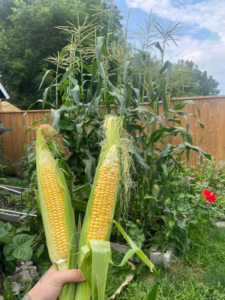
Characteristics: Sweet corn, often referred to simply as “corn,” is grown for human consumption. The kernels are tender and juicy, with a higher sugar content than field corn. Sweet corn is typically eaten fresh, frozen, or canned.
Uses: Sweet corn is commonly enjoyed as a vegetable and is used in various culinary dishes. It is often boiled, grilled, or steamed and is a popular side dish at meals. It is also used in salads, soups, and as an ingredient in many recipes.
Harvesting: Sweet corn is harvested when the kernels are still soft and milky, which is typically before they have fully matured. The focus is on the sweet, tender taste of the kernels rather than their starch content.
Key Differences
- Kernel Texture: Field corn kernels are hard and starchy, while sweet corn kernels are tender and sugary.
- Primary Uses: Field corn is used for animal feed, processed foods, and industrial products, whereas sweet corn is consumed as a vegetable.
- Harvesting Time: Field corn is harvested when mature and dry, while sweet corn is picked when the kernels are still soft and milky.
Conclusion
Understanding the differences between field corn and sweet corn helps in appreciating their respective roles and applications. Field corn serves a vital function in agriculture and industry, while sweet corn remains a favorite in kitchens around the world. Recognizing these distinctions allows consumers and producers to select the appropriate type of corn for their needs.

Related Posts
Struggling with Your Essay? Here’s How to Get Help Fast
Have You Ever Been Stuck Trying to Write Your Paper? Imagine this: You’ve got a looming deadline, your notes are scattered everywhere, and the blank page in…
Guide complet pour télécharger 1xbet sur Android – dernière version, bonus, paiement et sécurité
Télécharger 1xbet pour Android – Guide complet de la dernière version 1. Pourquoi choisir l’application 1xbet sur Android ? Pour les amateurs de paris sportifs et de casino…
Unlocking Deeper Insights Through Historical Context in Your Essays
Unlocking Deeper Insights Through Historical Context in Your Essays In the realm of essay writing, especially when crafting analytical essays, understanding and incorporating historical context can significantly…
558h App Registration Steps: Complete Guide for Bangladeshi Players
558h Casino App – Complete Guide for Bangladeshi Players If you are looking for a reliable online casino that works smoothly on your smartphone, the 558h app…
Malina Casino Linki Szybkiego Logowania: Wskazówki Dotyczące Bezpieczeństwa
Spis treści 1. Czym są szybkie linki logowania i jak działają? 2. Jak zweryfikować autentyczność linku do Malina Casino? 3. Najczęstsze zagrożenia związane z fałszywymi linkami 4….
Vox Casino Mobile Live Dealer Quality
Spis treści Ocena techniczna i stabilność połączenia Dostępne gry i stoły dealerów na żywo Proces logowania i weryfikacja konta Bonusy i promocje dla graczy live casino Rozwiązywanie…