Overview
Field corn and sweet corn are two distinct types of corn, each with unique characteristics and uses. Though they may appear similar at a glance, their differences become evident in their appearance, taste, and applications.
Field Corn
Characteristics: Field corn, also known as dent corn or field corn, is primarily grown for agricultural and industrial purposes. The kernels of field corn are larger and tougher compared to sweet corn. They often have a dented appearance when dried, which is how they got their name.
Uses: Field corn is mainly used as animal feed, in the production of cornmeal, corn syrup, and other processed food products. It is also used in various industrial applications, including the production of ethanol and biodegradable plastics. The high starch content of field corn makes it ideal for these purposes.
Harvesting: Field corn is harvested when the kernels are fully mature and dry. Unlike sweet corn, which is consumed fresh, field corn is left to dry on the cob before being harvested. The dry kernels are then processed or stored for later use.
Sweet Corn
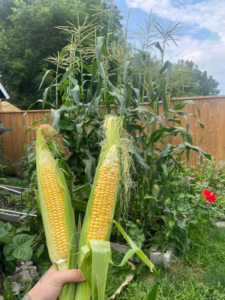
Characteristics: Sweet corn, often referred to simply as “corn,” is grown for human consumption. The kernels are tender and juicy, with a higher sugar content than field corn. Sweet corn is typically eaten fresh, frozen, or canned.
Uses: Sweet corn is commonly enjoyed as a vegetable and is used in various culinary dishes. It is often boiled, grilled, or steamed and is a popular side dish at meals. It is also used in salads, soups, and as an ingredient in many recipes.
Harvesting: Sweet corn is harvested when the kernels are still soft and milky, which is typically before they have fully matured. The focus is on the sweet, tender taste of the kernels rather than their starch content.
Key Differences
- Kernel Texture: Field corn kernels are hard and starchy, while sweet corn kernels are tender and sugary.
- Primary Uses: Field corn is used for animal feed, processed foods, and industrial products, whereas sweet corn is consumed as a vegetable.
- Harvesting Time: Field corn is harvested when mature and dry, while sweet corn is picked when the kernels are still soft and milky.
Conclusion
Understanding the differences between field corn and sweet corn helps in appreciating their respective roles and applications. Field corn serves a vital function in agriculture and industry, while sweet corn remains a favorite in kitchens around the world. Recognizing these distinctions allows consumers and producers to select the appropriate type of corn for their needs.

Related Posts
Spinz kirjaudu: Kaikki mitä sinun tulee tietää tästä suositusta kasinopelistä
Spinz kirjaudu näyttää viattomalta peliltä. Mutta 15 vuoden jälkeen näin, miten se antaa toivon – ja vie sen sekunneissa. Voitot tuntuvat huumaavilta, tappiot iskevät kylmästi. Missä kulkee…
Блокировки рушат привычный мир игроков, но они не сдаются. Когда государство режет доступ к онлайн‑казино, в ход идут плагины, маскировка трафика и хитрые схемы. Одно расширение в…
Ilman rekisteröitymistä: Kattava opas suosittuun peliin
Adrenaliini iskee jo ennen ensimmäistä klikkausta. Raha siirtyy sekunneissa, ruletti pyörähtää – eikä kukaan kysy, kuka olet. Kuulostaa täydelliseltä vapaudelta, mutta mitä sinulta samalla viedään? Nopeus, anonyymius…
Пенальти игра на деньги: как это работает и почему популярно в Казахстане
Он бьёт — и в тишине замирают не только ворота, но и чьи‑то накопления. В Казахстане пенальти на деньги стали новой лотереей мгновенных надежд и таких же…
Исследование Пин Ап Авиатор: Полное руководство для геймеров
Исследование Пин Ап Авиатор: Полное руководство для геймеров В данной статье мы подробно рассмотрим популярную игру «Пин Ап Авиатор», которая стала настоящим хитом среди любителей азартных игр….
Эволюция модных трендов Пин-Ап kz за десятилетия
Эволюция модных трендов Пин-Ап kz за десятилетия Модные тренды Пин-Ап в Казахстане претерпели значительные изменения на протяжении десятилетий, отражая как локальную культуру, так и мировые влияния. Этот…