The debate over whether to rinse canned beans and vegetables is a common one. On one side, some believe rinsing is unnecessary and that the liquid inside is harmless. On the other, health-conscious individuals insist rinsing is crucial for reducing sodium and improving taste. So, who’s right? Let’s dive into the facts to understand the benefits and drawbacks of rinsing canned goods.
Understanding the Canning Process: What’s Inside the Can?
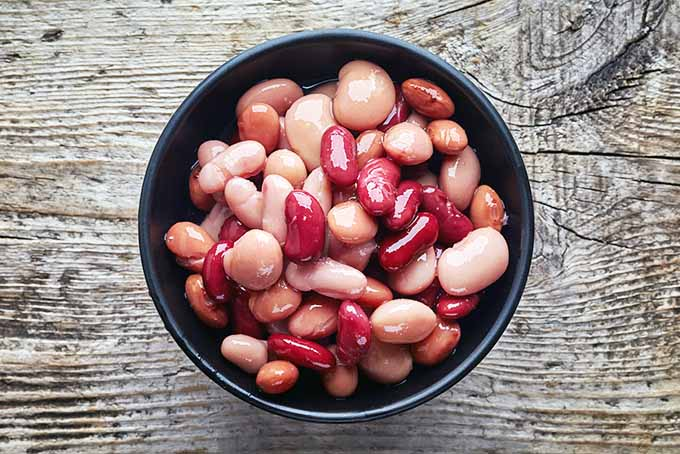
Canning is a method of preserving food that seals it in an airtight container after it’s been heated to kill harmful bacteria. The liquid in canned goods—whether brine, water, or syrup—serves multiple purposes: it preserves texture, maintains flavor, and extends shelf life.
However, this liquid isn’t always as benign as it seems. It often contains high amounts of sodium, sugars, or preservatives. While it keeps the food fresh and flavorful, the additives can pose concerns for people with dietary restrictions or health goals.
The Risks of Skipping the Rinse
Why should you rinse canned goods? For starters, the liquid in canned beans and vegetables can be surprisingly high in sodium. For example, a single serving of canned beans can contain up to 400 milligrams of sodium—nearly 20% of the recommended daily limit. By rinsing, you can remove up to 40% of this sodium, a significant reduction for those watching their intake.
Beyond sodium, the liquid may also contain additives, preservatives, or sugars that some people prefer to avoid. Older cans may pose an additional risk due to potential BPA (Bisphenol A) leaching from the can lining into the food. While many manufacturers now use BPA-free materials, it’s something to consider when deciding whether to rinse.
Nutritional Pros and Cons of Rinsing Canned Goods
Rinsing canned goods can have a noticeable impact on their nutritional content. On the positive side, rinsing:
- Reduces sodium by up to 40%, making canned foods more heart-healthy.
- Removes any lingering residue or preservatives in the canning liquid.
However, there’s a trade-off. Rinsing can also wash away water-soluble vitamins and minerals, such as vitamin C and some B vitamins. While this nutrient loss is minimal compared to the health benefits of reduced sodium, it’s something to keep in mind if you’re relying on canned goods as a primary source of nutrients.
Expert Opinions: To Rinse or Not to Rinse?
Nutritionists and food safety experts often recommend rinsing canned beans and vegetables, especially for individuals with specific dietary concerns. The USDA suggests rinsing canned beans to lower sodium and improve their nutritional profile.
That said, some chefs argue against rinsing in certain scenarios. The starchy liquid in canned beans, for instance, can act as a thickening agent in soups and stews, adding richness and flavor to dishes. Similarly, the liquid from canned vegetables can enhance certain recipes if you’re not concerned about sodium content.
Ultimately, the decision to rinse depends on whether your priority is health or flavor.
Canned Beans vs. Vegetables: Does Rinsing Matter for Both?
The liquid in canned beans and vegetables isn’t the same, and this affects whether rinsing is necessary.
- Canned Beans: Beans are often canned in a thick, starchy liquid. Rinsing helps remove this starch along with excess sodium, resulting in a cleaner taste and firmer texture. For most recipes, rinsing beans is recommended unless the liquid is being used to thicken a dish.
- Canned Vegetables: These are usually packed in a lighter brine. Rinsing primarily reduces sodium without affecting texture or flavor too much. If you’re using the liquid in soups or stews, consider its saltiness when seasoning your dish.
For both, rinsing is a straightforward way to cut down on sodium and improve overall flavor, especially when you’re making dishes where a fresher taste is desired.

Practical Tips for Using Canned Goods Safely
Whether you rinse or not, there are a few safety practices to keep in mind when using canned goods:
- Check the Can: Always inspect for dents, rust, or swelling before opening. These could indicate contamination or spoilage.
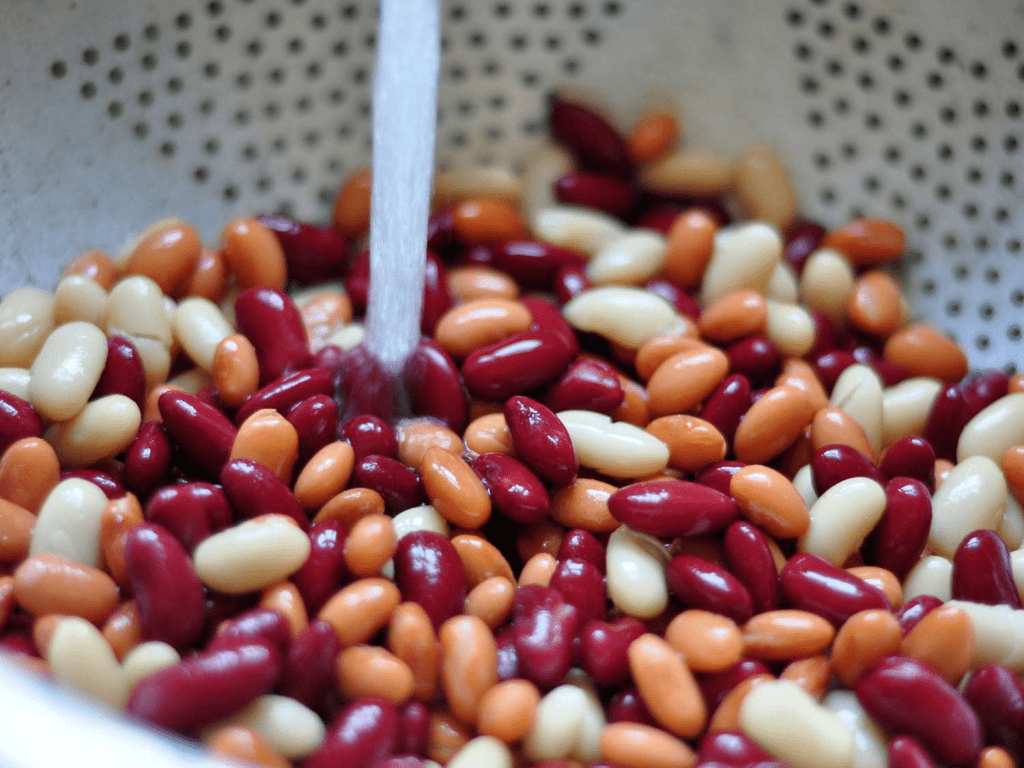
- Use a Colander: Rinse beans and vegetables under cold running water using a colander to remove sodium and additives.
- Opt for BPA-Free: Choose brands labeled “BPA-free” to reduce exposure to harmful chemicals.
- Adjust Seasoning: If you don’t rinse and use the canning liquid, reduce the salt in your recipe to balance the sodium content.
- Storage Matters: Transfer any unused canned goods to a sealed container and refrigerate to maintain freshness.
By following these simple steps, you can make the most of canned goods while ensuring your meals are safe and healthy.
Rinsing in Real Life: Balancing Health and Flavor
So, what’s the verdict? If your primary concern is health—lowering sodium, reducing additives, or avoiding BPA—rinsing canned beans and vegetables is the way to go. It’s a quick and easy step that significantly improves their nutritional profile.
On the other hand, if you’re making a dish that relies on the canning liquid for flavor or texture, like a hearty bean soup or a vegetable stew, you might choose to skip rinsing. Just be mindful of the added sodium and adjust your recipe accordingly.
Conclusion: Making an Informed Choice
The decision to rinse canned beans and vegetables ultimately comes down to personal preference and priorities. If you’re aiming for a healthier meal, rinsing is a no-brainer—it reduces sodium, removes additives, and enhances the overall freshness of your ingredients. If you’re more focused on flavor and using the liquid as part of your recipe, skipping the rinse might be your best bet.
Whether you side with your uncle or decide to rinse, the key is understanding the pros and cons and making an informed choice that aligns with your dietary needs and culinary goals. After all, cooking is as much about taste as it is about health, and finding the right balance will ensure every meal is a success.
