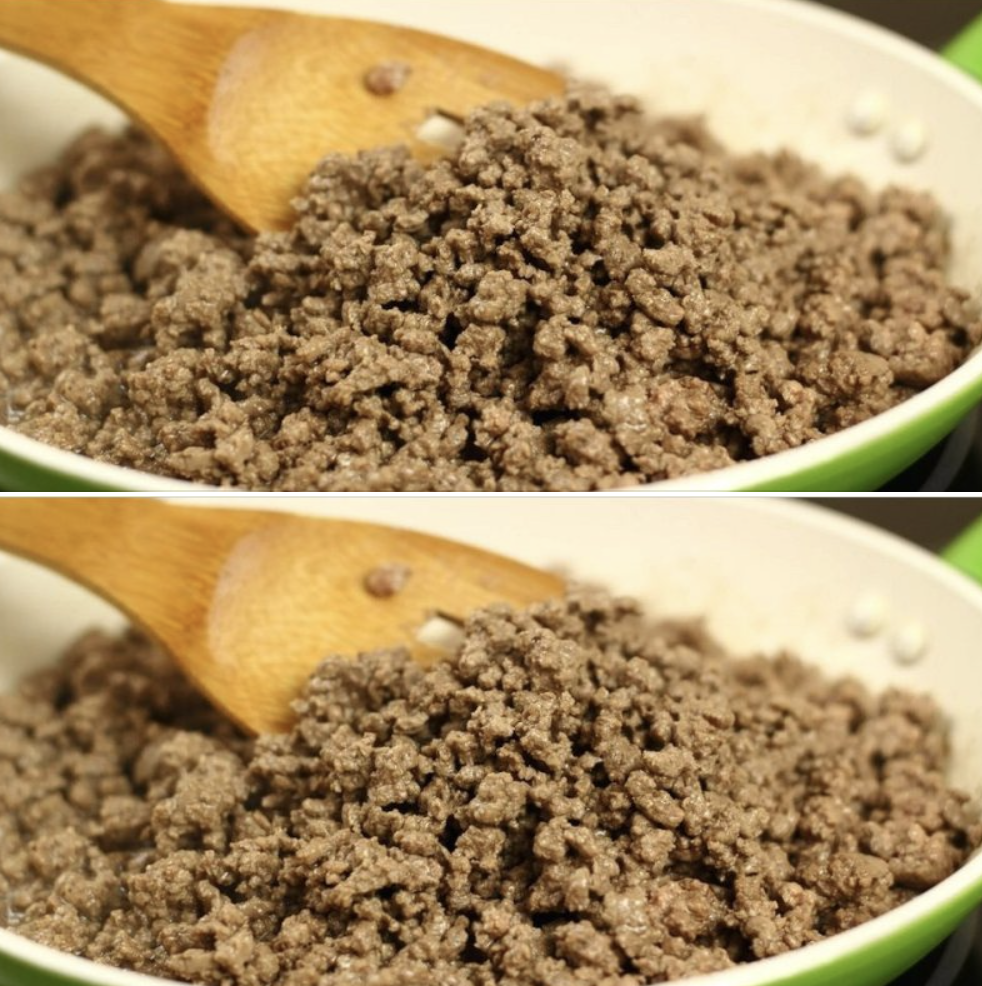
When it comes to cooking a storm in the kitchen, ground beef is a culinary hero. From tacos to spaghetti, this versatile ingredient has the ability to transform a simple dish into a flavor-filled feast. But there is one outstanding debate that divides kitchen warriors: should you clean your ground beef before cooking (or after)?
Some kitchen enthusiasts swear by rinsing their ground beef before (and after) cooking, and they have a few compelling reasons. First and foremost, rinsing can help reduce the fat content of the meat. If you’re trying to cut down on calories or simply want a leaner dish, giving your ground beef a quick rinse under hot water might be the trick.
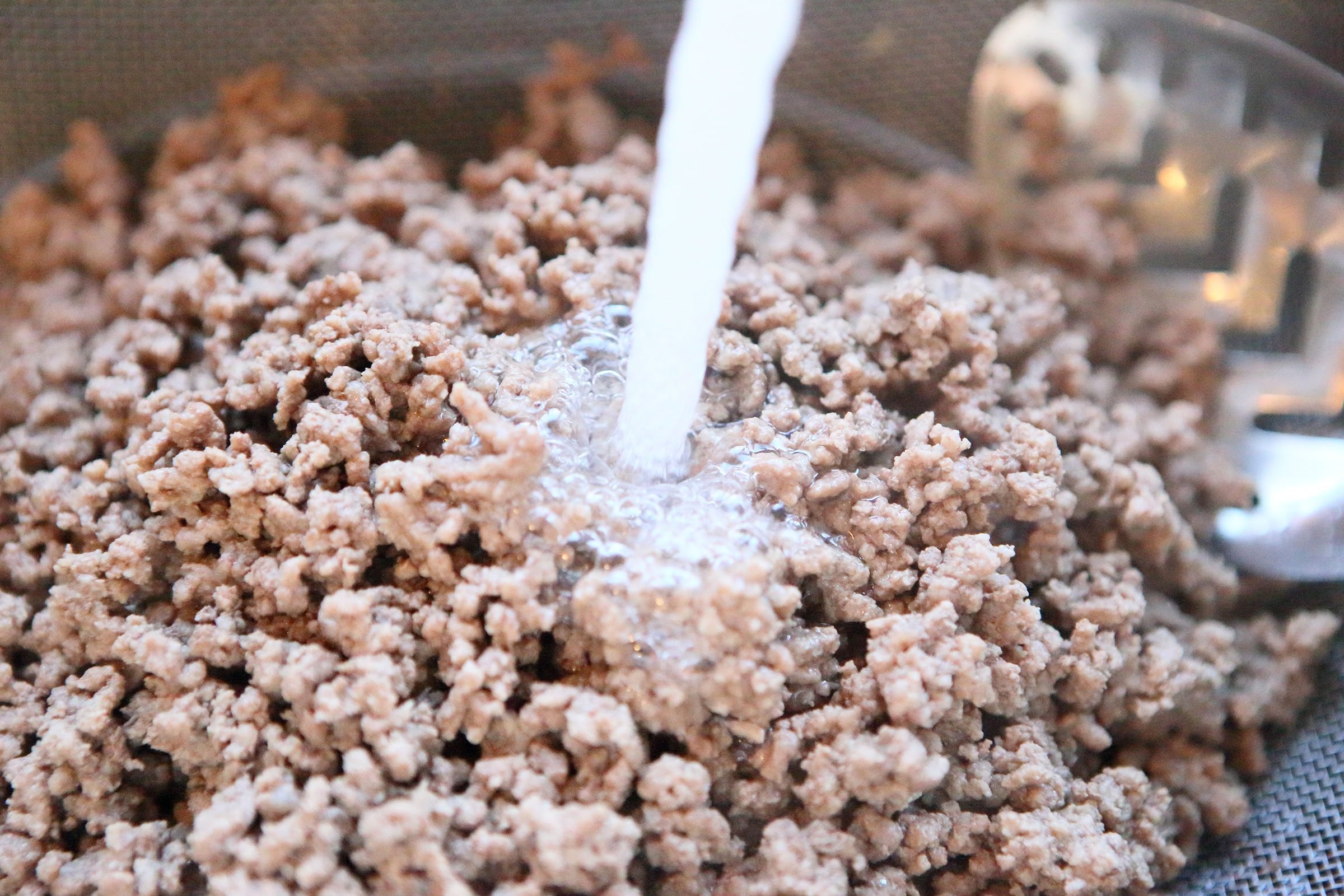
Rinsing can also help eliminate excess grease, preventing your dish from turning into an oily mess. Imagine a perfect plate of spaghetti, where the star of the show isn’t overshadowed by a pool of unwanted fat. Rinsing can be the hero that saves your meal from becoming a greasy catastrophe.
On the flip side, many cooks argue that rinsing ground beef is a culinary sin. One of the primary concerns is flavor loss. When you rinse ground beef, you risk washing away not only the fat but also some of the savory juices that make your dish delicious. After all, who wants a bland and dry burger when you were aiming for a flavor explosion?
Another point against rinsing is that it can be a messy affair. Picture yourself at the sink, trying to juggle a pound of ground beef while hot water splashes around. It’s not the most glamorous part of cooking, and the cleanup might not be worth the potential benefits
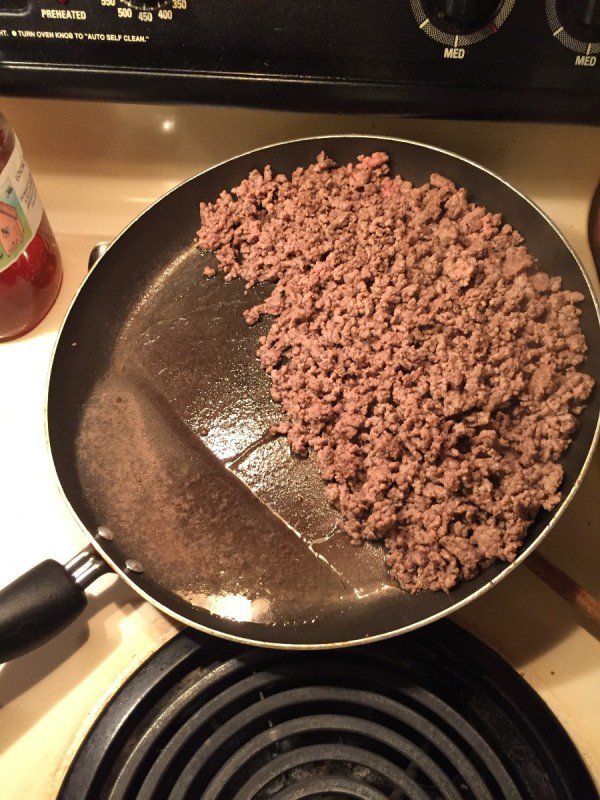
While rinsing fat from ground beef down the sink might seem like a convenient solution, it can lead to serious plumbing issues. As the fat cools, it solidifies and can clog pipes over time. This creates a recipe for disaster, potentially causing blockages, slow drainage, and even the need for costly plumbing repairs.
Dispose of fat from ground beef by letting it cool and solidify, then scrape it into a sealable container. Toss the container in the trash, preventing plumbing issues caused by pouring fat down the sink. Proper disposal ensures a smooth-running kitchen and avoids potential pipe blockages.
So, should you rinse your ground beef? The answer depends on your culinary goals and personal preferences, but our short answer is no. If you’re a flavor enthusiast who wants every drop of deliciousness, skipping the rinse is the way to go.
Whether you’re Team Rinse or Team No-Rinse, the most important thing is to enjoy the process of creating mouthwatering meals. In the end, the choice is yours.
