One of life’s greatest certainties is change. People change, situations change, and technology? It evolves at an astonishing pace. Just take a moment to reflect on your own life—how much has it transformed over the years? Now, imagine the incredible leaps that technology has made in the same span. It’s a bit mind-blowing, isn’t it?
Take vacuum cleaners, for instance. If you were to show a Hercules vacuum cleaner from the 1930s to someone today, they’d probably mistake it for an old suitcase. Yet, this quirky device was the height of sophistication back then. Today, with gadgets like the Roomba gliding across floors with barely a nudge from us, it’s easy to forget just how far vacuum technology has come.
A Peek into the Past: The Hercules Vacuum Cleaner
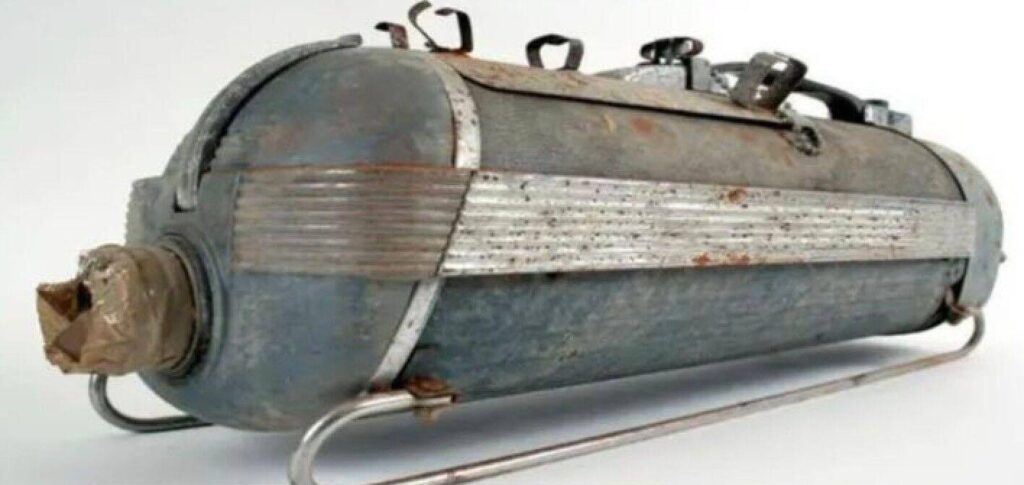
Back in the 1930s, owning a vacuum cleaner was a luxury, and the Hercules was no exception. This machine was covered in crocodile skin—a lavish touch, especially considering the Great Depression era. The fact that people could still afford to buy it during such difficult economic times was a testament to its status symbol.
So, what did the Hercules vacuum cleaner look like? Picture a small, leather-bound suitcase. It’s nothing like the sleek, high-powered devices we have today. Back then, such a machine would have been an object of fascination and envy. But in today’s world, it serves as a humorous reminder of how technology has reshaped everyday tasks. Seeing a retro vacuum like this reminds us that technological advancements didn’t just pop up overnight; they’ve been built upon decades of innovation, trial, and error.
The Humble Beginnings of Cleaning Tools
Did you know that it wasn’t until 1797 that the broom was perfected? A farmer named Levi Dickenson from Massachusetts crafted a broom from sorghum, called “broomcorn,” after watching his wife struggle with cleaning. Fast-forward to the mid-1800s, and society saw the first hints of what would become the modern vacuum cleaner.
In 1860, Daniel Hess took cleaning to a new level by patenting a device that used airflow to draw in dust. A mere nine years later, Ives McGaffey invented a machine with a similar purpose, although it was nearly as labor-intensive as using a regular broom. Despite its shortcomings, McGaffey’s invention laid the groundwork for future developments. It’s fascinating to see how these early inventions led to the revolutionary technology we often take for granted today.
The Birth of the Vacuum Cleaner: James Murray Spangler’s Contribution
The true game-changer in the vacuum cleaner’s history was James Murray Spangler. At 60, Spangler was a janitor who sought a solution to his own respiratory issues caused by dust. He invented a machine in 1907 that was portable, upright, and remarkably effective. Using a ceiling fan motor, Spangler’s vacuum created airflow that sucked up dirt and blew it into a pillowcase. It was far from perfect, but it was revolutionary.
Spangler eventually patented his design, founding the Electric Suction Sweeper Company. But when financial troubles arose, he sold his patent to a family friend, Susan Hoover. Thus, the iconic Hoover vacuum brand was born. Today, Hoover is synonymous with vacuums, and we have Spangler’s ingenuity to thank for that. His dedication to improving indoor air quality paved the way for a brand that remains one of the most recognized names in household cleaning.
A Revolution in Cleaning: The Vacuum Cleaner’s Rise to Fame
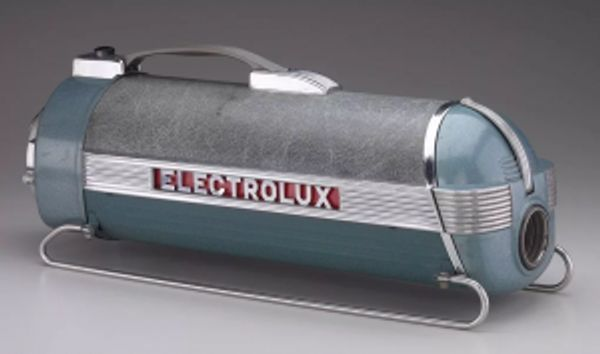
Throughout the 20th century, vacuum cleaners continued to evolve. With Hoover at the forefront, other brands jumped into the fray, each pushing the boundaries of what a vacuum could do. By the 1950s, vacuums had become essential household items, as common as a stove or refrigerator. This rise in popularity was driven by innovations such as better suction, more portable designs, and attachments for different cleaning tasks.
By the 1980s and 1990s, vacuums were becoming more efficient and user-friendly. Brands like Dyson entered the market, introducing bagless designs that were both powerful and easy to maintain. As cleaning technology advanced, so did consumer expectations. People no longer saw vacuums as cumbersome machines but as convenient tools that made home maintenance easier.
The Modern Era: Robotic Vacuums and Smart Technology
Today, we’re in the age of the smart vacuum. The Roomba and similar robotic vacuums use sensors, algorithms, and even artificial intelligence to navigate homes and clean autonomously. Some models can even be controlled by smartphone apps or programmed to clean on a set schedule. These devices are the epitome of convenience, handling a daily chore with minimal human intervention.
The journey from the Hercules to the Roomba is a testament to human ingenuity. Modern vacuums not only save time but also improve indoor air quality. They’re quieter, more energy-efficient, and capable of tackling tasks we could never have imagined in the past. This evolution isn’t just about cleaning floors; it’s about transforming the way we live.
A Nostalgic Look at Vacuum Cleaner History
Looking back, it’s astonishing to see how vacuum technology has changed. What began with the Hercules and its crocodile-skin casing has led to cutting-edge devices that can clean while we’re out running errands. The fact that a bulky, manually-operated vacuum cleaner has given way to a sleek, self-operating robot is a reflection of our ever-advancing technological landscape.
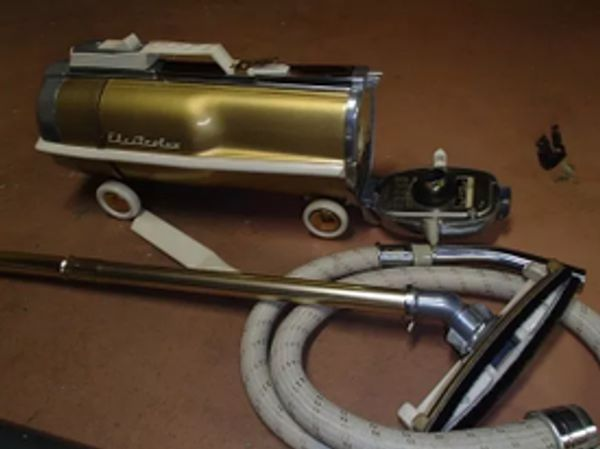
The vacuum cleaner’s evolution also highlights the importance of innovation. Each generation of designers built upon the work of those before them, always striving to create a more effective, convenient cleaning tool. Today’s robotic vacuums may seem worlds apart from the humble brooms of the 18th century, but they share a common purpose: making our lives easier and our homes cleaner.
Conclusion: Embracing Change and Celebrating Innovation
The journey from a simple broom to a smart vacuum cleaner is more than a tale of technological advancement; it’s a celebration of human creativity and problem-solving. What began as a cumbersome task requiring elbow grease has been transformed into an effortless routine. And as we marvel at today’s cleaning technology, we can appreciate the Herculean efforts of those who paved the way.
Next time you press a button and watch your vacuum glide across the floor, take a moment to appreciate the history behind it. From Spangler’s crude invention to the sophisticated, autonomous devices of today, vacuums have come a long way. They’re a reminder that change is inevitable, often unexpected, but always driven by a desire to make life just a little bit better.
