Storing cooked food properly is essential to prevent both foodborne illness and unnecessary waste. Many people save leftovers without being sure how long they remain safe or maintain good quality in the fridge.
This guide breaks down how long various cooked foods can be refrigerated, how to store them correctly, and how to tell when it’s time to throw them out.
How Long Does Cooked Food Last in the Fridge?
Below are general guidelines for storing cooked food in a refrigerator set between 1°C and 5°C:
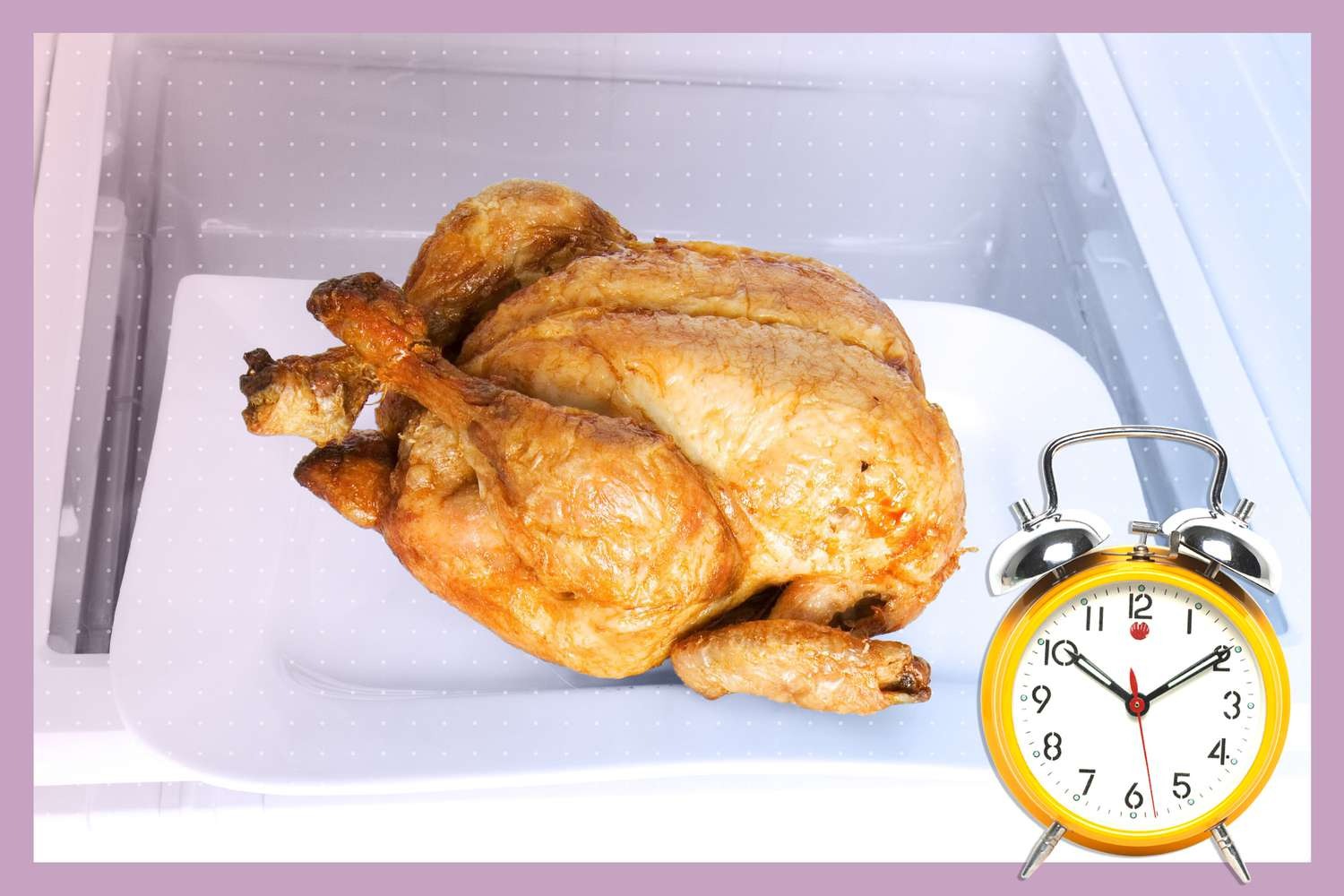
Cooked meats (beef, chicken, pork, turkey): 3–4 days
Cooked fish: 2–3 days
Cooked rice, pasta, and legumes: 3–5 days
Soups and stews: 3–4 days
Boiled eggs (in shell): Up to 1 week
Cooked vegetables: 3–5 days
Pizza or empanadas: 3–4 days
Homemade sauces (e.g., béchamel, tomato-based): 3–4 days
Milk- or cream-based desserts (flans, mousses): 2–3 days
Best Practices for Storing Cooked Food in the Refrigerator
1. Let It Cool First
Avoid putting hot food directly into the fridge.
Allow it to cool to room temperature—within two hours of cooking—so it doesn’t raise the fridge’s overall temperature, which could affect other stored items.
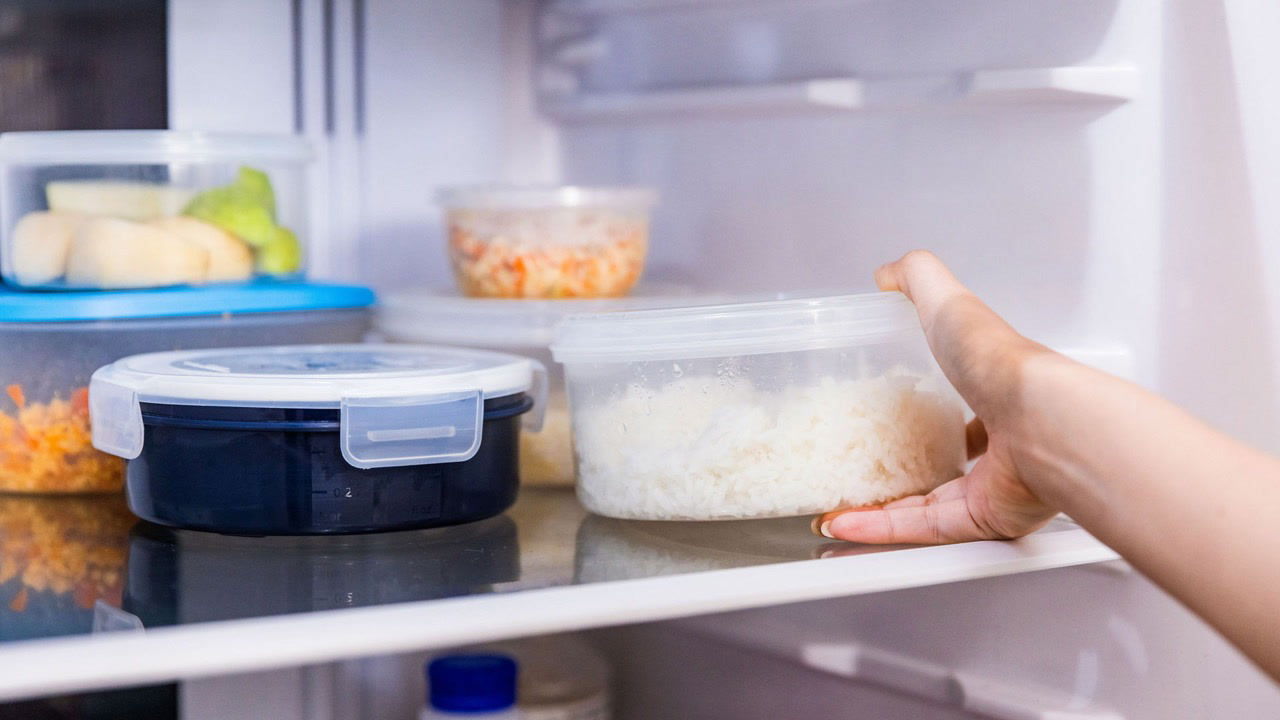
2. Use Airtight Containers
Choose sealed containers or tightly wrap foods in plastic or foil to minimize air exposure and prevent cross-contamination.
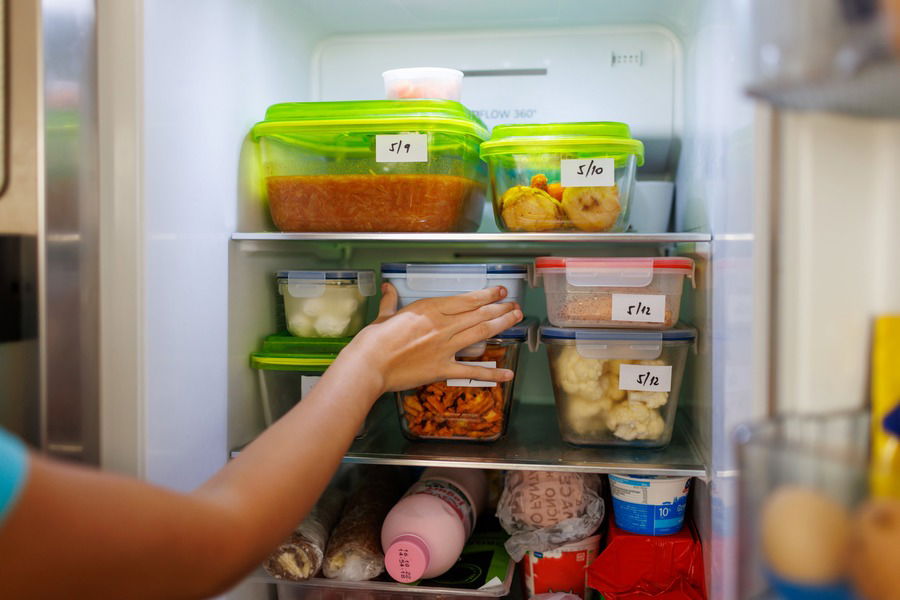
3. Label with the Date
Note the preparation date on each container. This makes it easy to track freshness and reduces the risk of forgetting how long something has been stored.
4. Store Smartly
Keep cooked food on the top shelves, separate from raw ingredients like meat or fish, to avoid leaks or contamination.
5. Only Reheat Once
Only warm up what you plan to eat.
Repeated reheating can degrade food quality and increase the risk of bacterial growth. Ensure food reaches at least 70°C when reheated.
Extra Tips to Extend Shelf Life and Prevent Waste
- Freeze leftovers you won’t consume within 3 days. Most cooked dishes freeze well for up to 3 months.
- Avoid mixing old and new food. Always use a clean container for fresh meals.
- Use your senses. If the food smells strange, shows mold, or looks discolored, discard it immediately without tasting.
- Maintain your fridge temperature between 1°C and 5°C to keep food safe.
By following these storage habits, you’ll protect your health and make the most of your meals without unnecessary waste.
