
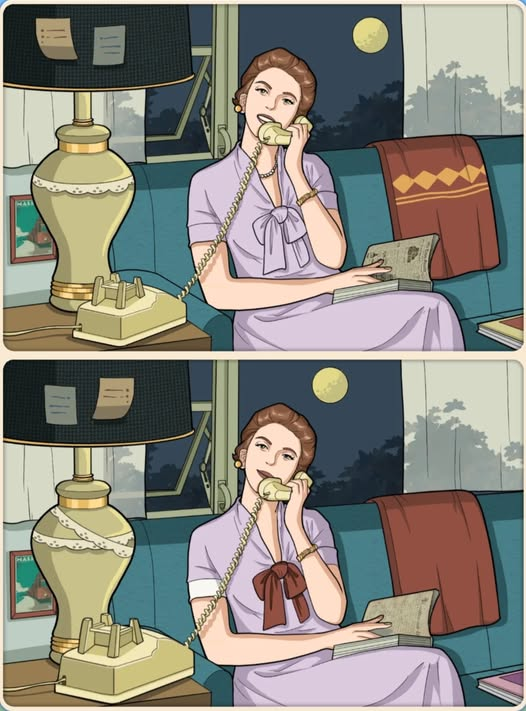
Are you ready for a brain-boosting challenge? It’s time to test how sharp your eyes really are. In this simple yet surprisingly tricky game, you’ll be looking at two almost identical images—and your mission is to find 12 subtle differences hidden between them. Sounds easy? Don’t get too confident just yet!
This test is more than just a game—it’s a way to wake up your brain, fine-tune your focus, and prove that your attention to detail is second to none. Ready to play?
Why Spot-the-Difference Games Are Great for Your Brain
Before you dive in, let’s talk about why games like this are more than just fun. They give your brain a serious workout. Just like push-ups for your body, spotting visual differences exercises areas in the brain tied to concentration, memory, and pattern recognition.
Each time you identify a tiny change—a missing detail, a shifted shape, a swapped color—your brain strengthens its ability to scan, analyze, and compare under pressure. That’s a skill you can use in everything from reading faster to solving problems at work.
Video: Find 3 differences!
The 60-Second Challenge: Think You Can Beat the Clock?
Here’s how it works: You’ll be shown two images. They look nearly identical, but there are 12 small differences scattered throughout. You have just one minute to find them all.
Sounds intense, right? That’s the point! This timed challenge adds a layer of excitement and pushes your brain into high gear. It’s not just about spotting what’s missing—it’s about doing it fast.
Grab a timer, focus your eyes, and dive into the scene. Whether it’s a lively market, a cozy living room, or a magical garden, every part of the image could be hiding a sneaky detail that’s not quite right.
Tips to Help You Spot the Differences Faster
Video: Find 3 differences!
Need a few tricks to sharpen your skills before you start?
- Scan from top to bottom: Don’t jump around randomly. Move your eyes in a steady path to catch even the tiniest changes.
- Check corners and edges: That’s where many of the most overlooked differences hide.
- Look for color shifts: A change in shade is often a dead giveaway.
- Count objects: Is there one less flower, lamp, or window? Numbers don’t lie.
- Trust your gut: If something feels off, it probably is.
The key is to slow down your vision while speeding up your brain. It’s a fun contradiction that makes these puzzles so addictive.
Common Mistakes Players Make
Even experienced players can fall into some common traps when doing spot-the-difference games. Here are a few things to avoid:
- Focusing too hard on one area: If you’re stuck, move on and circle back later.
- Second-guessing yourself: If you notice something weird, mark it mentally. You’re probably right!
- Getting too caught up in the timer: Yes, time matters—but staying calm helps you spot more.
This isn’t just about finishing fast. It’s about staying cool under pressure while still letting your inner detective shine.
Did You Find All 12 Differences?
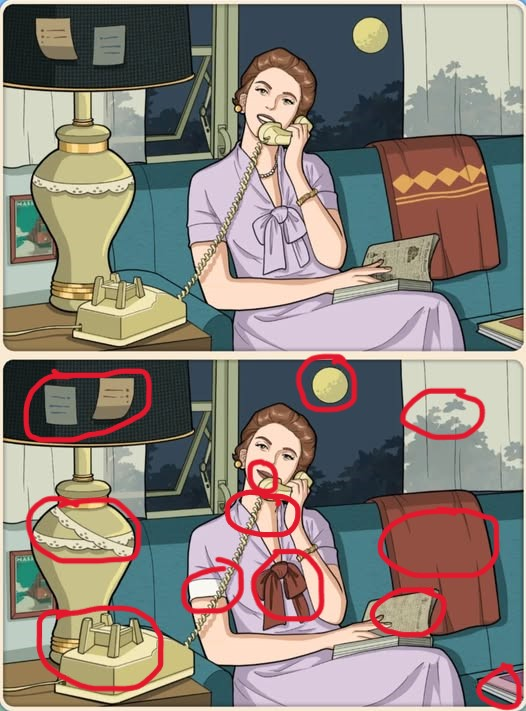
So, how did you do? Did you manage to spot all 12 differences before the timer hit zero? If so, give yourself a pat on the back—you’ve got elite-level observation skills.
If not, don’t sweat it. These challenges are tough for a reason. Each time you play, you sharpen your eye and boost your brainpower. And let’s be real—it’s way more fun than scrolling through your phone aimlessly.
The Answer Key Is Below… But Don’t Peek Unless You’re Ready
We’ll reveal the answers soon, but only scroll down when you’re absolutely sure you’ve done your best. No cheating! This is all about testing your brain honestly. Even finding 7 or 8 out of 12 is impressive.
When you finally compare your guesses with the answers, take note of the ones you missed. What kind of detail was it? Where was it hiding? Use that insight to get better for next time.
Final Thoughts: Keep Playing, Keep Improving

Spot-the-difference puzzles might seem like child’s play—but they’re actually powerful tools for boosting mental sharpness, memory, and focus. They challenge your brain in a fun, low-stress way that doesn’t require fancy equipment or a big time commitment.
So don’t stop now. Keep playing. Whether you’re trying to beat your personal record or just want a quick distraction from your day, these visual brain games are the perfect combo of fun and function.
Remember, the difference between “good” and “great” isn’t always big. Sometimes, it’s hiding in the tiniest corner of the picture. And only the most observant eyes will find it.
