Rice is one of the most consumed and versatile foods worldwide. From comforting bowls of rice in your favorite dishes to quick meal fixes, it’s an essential pantry staple. But have you ever wondered how long that bag of rice sitting in your kitchen cabinet is good for? Knowing the shelf life of rice can help you prevent food waste and ensure you’re eating safely.
In this article, we’ll break down the shelf life of both uncooked and cooked rice, give you some tips for proper storage, and explain how to tell if your rice has gone bad. So, if you’re curious about how to maximize the freshness of your rice, keep reading!
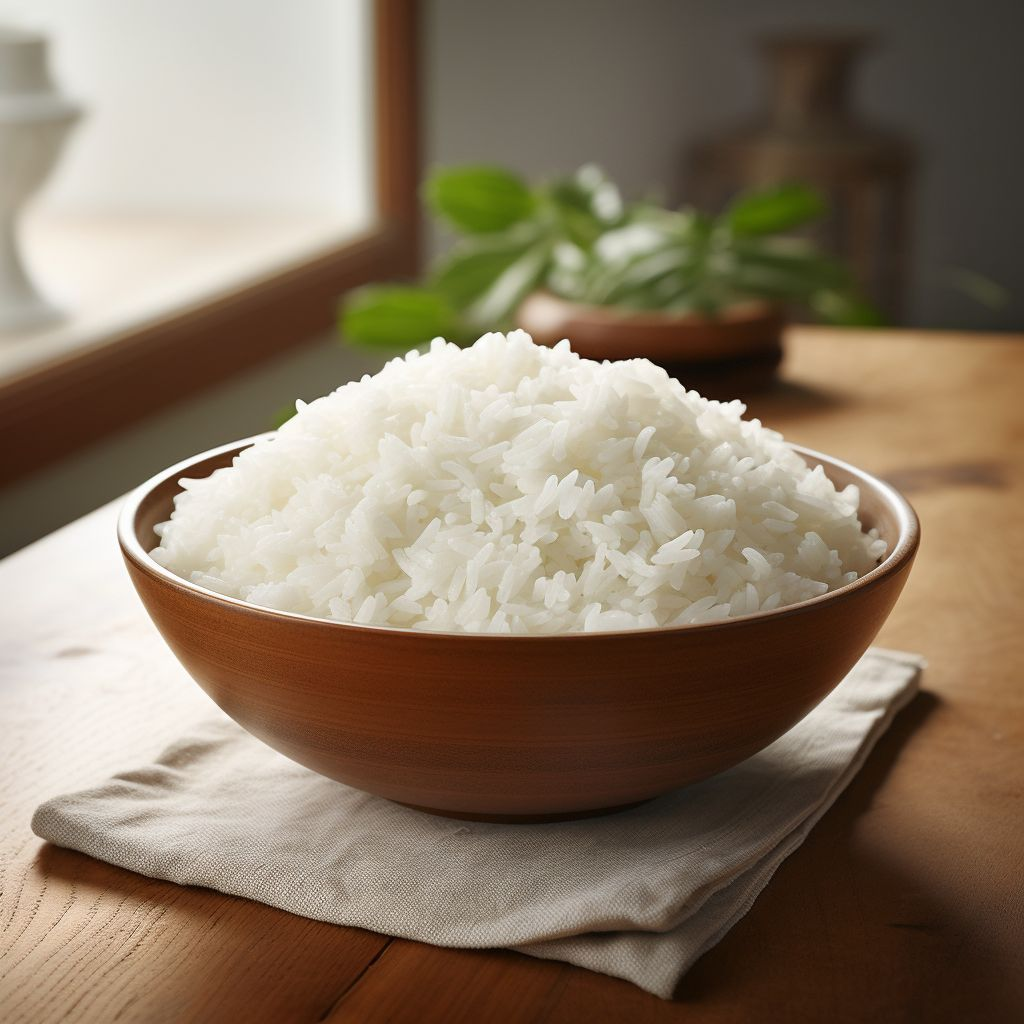
Uncooked Rice vs. Cooked Rice
Before diving into the specifics, let’s clarify the difference between uncooked and cooked rice, as their shelf lives vary drastically.
- Uncooked Rice: This refers to dry rice that hasn’t been prepared for eating yet. It includes varieties like white, brown, jasmine, and basmati. Uncooked rice, if stored properly, can last for quite a long time.
- Cooked Rice: Once rice is boiled or steamed, it becomes perishable. Cooked rice is moist and needs careful handling and refrigeration to avoid spoilage.
Now, let’s explore how long each type can last and the best ways to store them.
How Long Does Uncooked Rice Last?
Uncooked rice can be stored for extended periods, but its longevity depends on the type of rice and how it’s stored.
- White Rice: This is the most durable type of rice. Stored in an airtight container in a cool, dry place, white rice can last 4 to 5 years, and sometimes longer, without losing quality. That makes it an ideal pantry staple!
- Brown Rice: Brown rice doesn’t last as long because it contains oils that can go rancid over time. Typically, brown rice lasts around 6 months to 1 year when kept in ideal conditions.
- Specialty Rices: Varieties like jasmine and basmati have shelf lives similar to white rice, provided they are kept in the right environment—cool, dry, and well-sealed.
How Long Does Uncooked Rice Last Outside the Fridge?
Uncooked rice can be stored at room temperature safely, as long as it’s away from heat, moisture, and direct sunlight. A pantry or kitchen cabinet is perfect for keeping rice fresh for extended periods. Just ensure the rice is in an airtight container to prevent exposure to air and pests. With proper storage, uncooked rice can last as per the recommended durations mentioned above.
How Long Does Uncooked Rice Last in the Fridge?
Storing rice in the fridge isn’t necessary, but it can be helpful if you live in a hot or humid climate where pantry pests are common. In the fridge, uncooked rice can last up to 2 years or even longer. Refrigeration adds an extra layer of protection against moisture and pests, ensuring your rice stays fresher for longer.
Signs That Rice Has Gone Bad
Rice, like any food, can go bad if stored improperly. Here’s how to tell if your rice has passed its prime:
- Off Smell: Fresh, uncooked rice should have no strong odor. If it starts to smell rancid or sour, it’s a good indicator that the rice has gone bad.
- Visible Mold or Discoloration: Check the rice for any signs of mold or strange colors. If the grains look discolored or have mold, it’s time to toss it.
- Clumping or Moisture: Rice should feel dry, with each grain separating easily. If it feels sticky or clumpy while still uncooked, it may have absorbed moisture and could be spoiled.
- Insect Infestations: If you notice bugs in your rice, it’s a sure sign that it’s been compromised. Dispose of the rice immediately and inspect other dry goods stored nearby.
What Happens If You Eat Bad Rice?
Eating rice that has gone bad can pose health risks. Spoiled rice may harbor harmful bacteria or toxins, leading to food poisoning. The most common symptoms include nausea, vomiting, diarrhea, abdominal pain, and fever. If you’re ever in doubt about the safety of your rice, it’s better to be safe and discard it.
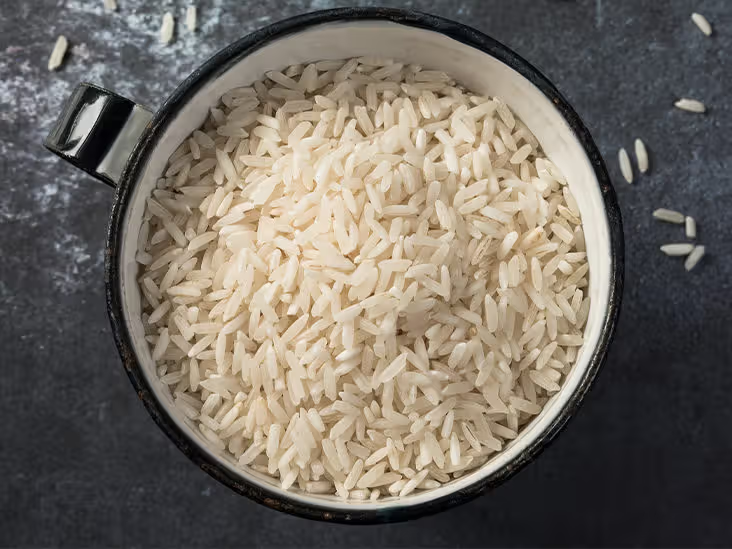
How to Store Rice Properly
Storing rice correctly is key to maintaining its quality and extending its shelf life. Here’s how you can keep your rice fresh:
- Use Airtight Containers: Once you open a bag of rice, transfer it to an airtight container to protect it from moisture, air, and pests. You can also use vacuum-sealed bags to further extend its lifespan.
- Store in a Cool, Dry Place: Keep your rice in a pantry or kitchen cabinet, away from heat and sunlight. Temperature fluctuations can encourage spoilage, so avoid keeping rice near stoves or ovens.
- Refrigeration for Longer Life: If you live in a particularly hot and humid area, or you just want to be extra cautious, refrigerating your rice can be a good option.
- Rotate Stock: Follow the “first in, first out” rule. Always use older rice before newer bags to minimize the risk of spoilage.
How Best to Reheat Leftover Rice
Have some leftover cooked rice? Here’s how you can reheat it without sacrificing quality:
- Microwave Method: Place your leftover rice in a microwave-safe container, add a small amount of water, and cover it with a microwave-safe lid or plate. Heat on low power, stirring occasionally, until it’s thoroughly warmed. This method helps prevent the rice from drying out.
- Stovetop Method: Add a bit of water to the rice and heat it in a non-stick pan over medium heat. Stir occasionally to distribute the moisture and heat evenly.
- Steamer Method: If you have a steamer, place the rice in a heatproof dish and steam it until it’s heated through. This method helps retain the rice’s original texture.
Always ensure that your reheated rice reaches an internal temperature of 165°F (74°C) to prevent the growth of harmful bacteria. And remember, avoid reheating rice more than once for safety.
Conclusion: Maximizing the Shelf Life of Rice
Rice is a pantry staple for many of us, but understanding how to store it properly and knowing its shelf life can save you from food waste and potential health risks. Uncooked rice, especially white rice, can last for years when stored correctly, while brown rice has a shorter lifespan due to its natural oils. Always keep your rice in airtight containers in cool, dry places, and follow the signs of spoilage to ensure the rice you’re eating is fresh.
With proper storage practices, you can make sure your rice stays fresh and delicious for all your culinary creations!
