Psychological and Cultural Insights
Crossing one’s legs might seem like a small, everyday gesture, but it actually carries deeper cultural, social, and psychological meaning—especially for women. What appears to be a matter of comfort or habit often reflects centuries of social conditioning and subtle messages about posture, decorum, and gender expectations.
Cultural and Social Context: A Habit Shaped by Tradition
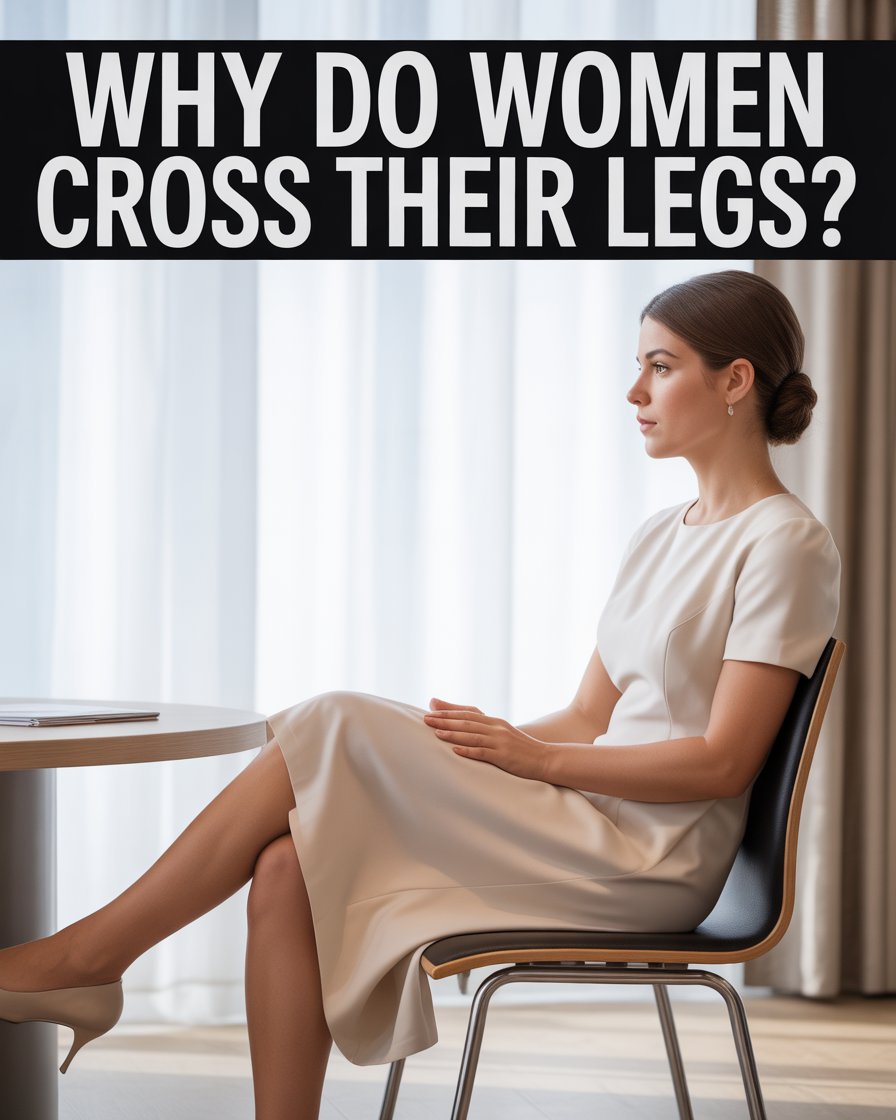
Throughout history, the way women sit has often been linked to social norms and expectations. In many Western societies during the 18th and 19th centuries, crossing one’s legs was viewed as a symbol of modesty, grace, and proper behavior. Art, etiquette books, and literature of that era encouraged women to sit in a way that conveyed refinement and self-control.
However, this interpretation isn’t universal. In some Eastern cultures, crossing one’s legs—especially in formal or traditional settings—can be seen as disrespectful or too casual. This shows how much meaning body language can carry, depending on the cultural context.
Today, many women still cross their legs out of habit, often without realizing it. It’s a posture that’s been socially learned over generations—seen as polite, elegant, or appropriate in public. Fashion, media images, and social etiquette all help reinforce these patterns. Still, these expectations sometimes limit natural comfort, movement, and personal expression.
Psychological Perspectives: More Than Just a Habit
From a psychological point of view, crossing the legs can communicate a variety of feelings or states of mind. For some people, it’s a sign of confidence and relaxation. For others, it might serve as a subtle form of self-protection—a way to create a small barrier when they feel uncertain or shy.
Psychologists often study body language to understand what our postures reveal. A tightly crossed position may show nervousness or insecurity, while a looser, more open one might suggest ease and self-assurance. These gestures become a quiet but powerful form of communication—expressing what words sometimes don’t.
Importantly, this behavior is also influenced by social conditioning. Many women grow up learning to sit “properly” by crossing their legs, while men are rarely taught the same. This difference shows how gender roles and expectations shape even the smallest physical habits.
Nonverbal Communication and Social Interaction
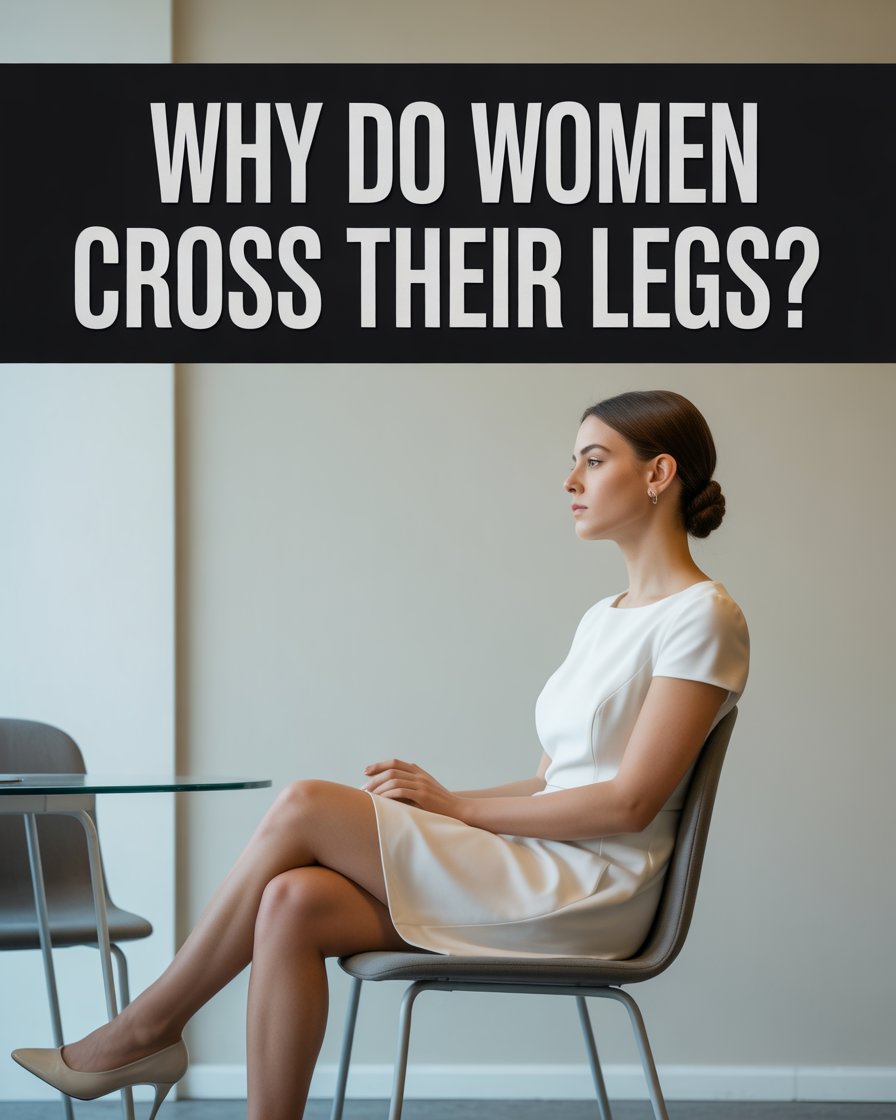
In social and professional situations, posture—including how someone crosses their legs—can send subtle signals. For instance:
-
Crossing your legs toward someone can show interest or connection.
-
Crossing them away may indicate disinterest or discomfort.
-
Keeping the legs uncrossed and relaxed can suggest confidence and openness.
Research in social psychology has shown that posture influences how others perceive us. For women, especially in professional settings, this can affect how confident, credible, or approachable they appear. Something as small as how one sits can shape others’ impressions during meetings, interviews, or conversations.
Impact on Gender Perception
Even though leg crossing is often an unconscious habit, it can reinforce certain gendered ideas. The gesture is sometimes linked to traits like grace, delicacy, or restraint—qualities traditionally associated with femininity.
Meanwhile, a more open and grounded sitting position is often read as assertive and self-assured. Because of these ingrained perceptions, a woman’s posture might unintentionally influence how others judge her authority or leadership potential.
As social awareness grows, it’s important to challenge these outdated assumptions. Everyone—women included—should feel free to sit and move in ways that feel natural and comfortable, rather than conforming to old-fashioned rules of “proper” behavior.
Final Thoughts: A Small Gesture with a Bigger Meaning
Crossing the legs may seem like a simple act, but it reflects a fascinating mix of psychology, culture, and history. It’s a reminder that even our smallest body language choices can be shaped by social expectations—and that rethinking them can open doors to more comfort and authenticity.
Ultimately, the conversation about posture is really a conversation about freedom: the freedom to express oneself naturally, to sit comfortably, and to take up space—without judgment or constraint.
