How to Identify and Manage Tick Eggs in Your Backyard
Encountering tick eggs in your yard demands immediate action. Ticks carry serious diseases, and their eggs, often hidden in outdoor shelters, can quickly lead to an infestation. This guide helps you spot, handle, and prevent tick eggs effectively.
What Do Tick Eggs Look Like?
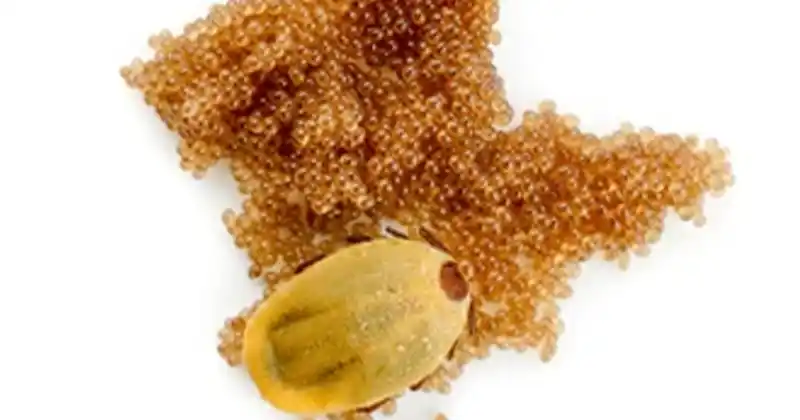
Tick eggs are tiny—about 0.5 mm, like a poppy seed. They usually cluster together, oval or pear-shaped, with a translucent or whitish color. As they mature, they turn opaque and may match the adult tick’s color, ranging from pale yellow to light brown. You’ll often find them attached to vegetation, leaf litter, or ground surfaces. Their smooth, glossy texture helps identify them.
Why Are Tick Eggs Dangerous?
Tick eggs hatch into larvae that can carry diseases like Lyme disease and Rocky Mountain Spotted Fever. Handling eggs carelessly can spread these illnesses. So, it’s vital to act cautiously.
How to Remove and Dispose of Tick Eggs
First, get professional advice from pest control or vets for proper identification and removal tips. For ticks attached to skin, grab the tick firmly near its head with fine tweezers. Pull it out steadily—no jerking or twisting. Then, dispose of the tick by placing it in alcohol, sealing it in a bag, or flushing it down the toilet.
Prevent Tick Eggs From Taking Over Your Yard
Remove Deer-Attracting Plants: Deer ticks follow deer. Cut out tulips, hostas, and azaleas to reduce deer visits.
Plant Tick-Repelling Herbs: Mint, rosemary, and chrysanthemums repel ticks naturally.
Maintain Your Lawn: Mow regularly and clear heavy brush to destroy tick habitats.
Manage Woodpiles & Debris: Keep woodpiles off the ground and away from your home to reduce moist egg-laying spots.
Discourage Small Hosts: Fix stonewalls and avoid bird feeders that attract rodents, common tick carriers.
Use Natural Repellents: Apply essential oils like cedarwood, neem, citronella, or sprinkle diatomaceous earth around your yard.
Try Tick Tubes: These no-spray devices kill ticks and block disease transmission.
Add Rough Mulch: Lava rock or pebble mulch makes garden beds less inviting for ticks.
Create Lawn-Free Zones: Hardscaping reduces tick-friendly spaces.
Apply Insecticides Wisely: Use synthetic pyrethroids or natural options like cedar oil only if necessary.
