It was one of those perfect summer afternoons—blue sky, a light breeze, and the smell of fresh grass in the air. We’d spread our picnic blanket in a quiet spot near a small grove of trees, away from the busier trail. The kids were laughing, running barefoot, and chasing each other through the dappled sunlight.
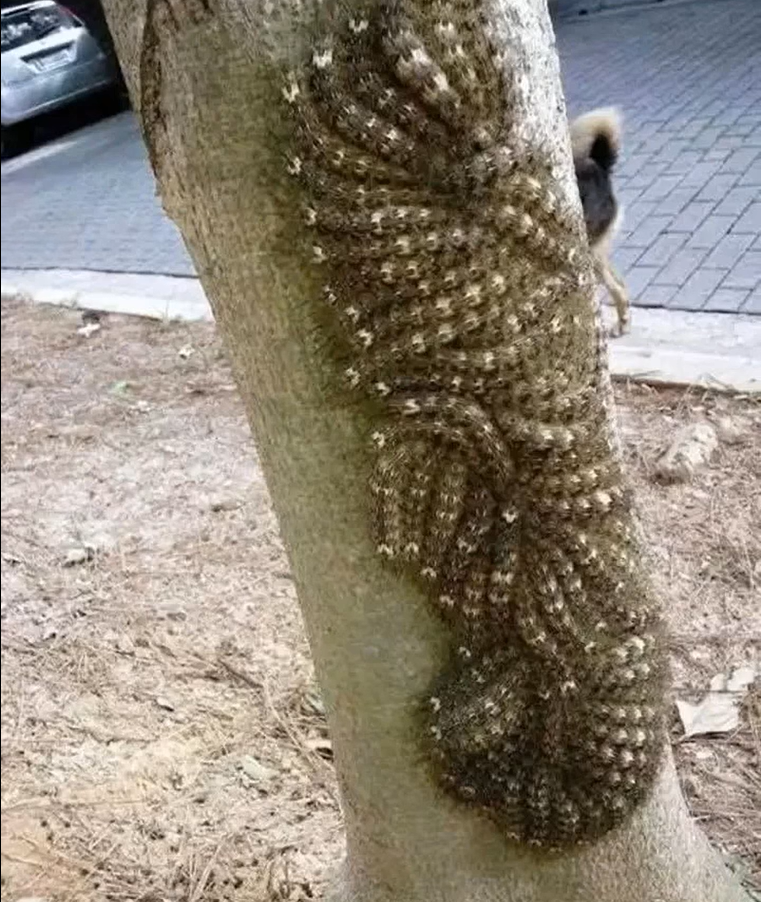
At one point, our daughter wandered a little farther than usual. She stopped near a tall tree and called out excitedly:
“Mom, Dad, come see! This tree has stripes—it’s so pretty!”
I looked over and saw her hand stretching toward the trunk. Something in my gut twisted. My husband’s instincts kicked in instantly—he shot up from the blanket and sprinted toward her.
He grabbed her wrist just inches from the tree bark. But when I got closer, I realized the “stripes” weren’t part of the tree at all. They were alive.
What looked like a beautiful natural pattern was actually a dense cluster of Lonomia caterpillars—one of the most venomous insects in the world. Perfectly camouflaged against the bark, they blend in so well you’d never suspect the danger.
A single brush against their spines can release potent venom. Even minimal contact can cause headaches, dizziness, and fainting. In more severe cases, the toxins can trigger internal bleeding, kidney failure, and—in rare but documented incidents—death. Children, seniors, and those with weaker immune systems are especially vulnerable.
Thanks to my husband’s quick reflexes, disaster was avoided. We immediately contacted local environmental authorities. They arrived quickly, carefully removed the caterpillars, and posted a warning sign to alert other hikers and families.
That day changed how I look at nature. Now, whenever we go on outings, I carry gloves, a magnifying glass, and a small first-aid kit—not because I’m afraid, but because I want to be prepared.
If you’re a parent, grandparent, or caregiver, talk to your children about the hidden dangers in nature. Many risks are beautiful to look at but harmful to touch.
If you ever see something unusual—whether it’s strange “patterns” on bark, unusual clusters on plants, or insects you don’t recognize—don’t touch. Step back and call local wildlife or environmental authorities.
Awareness, respect for nature, and quick action can save lives. One conversation, one moment of vigilance, could be all it takes.
