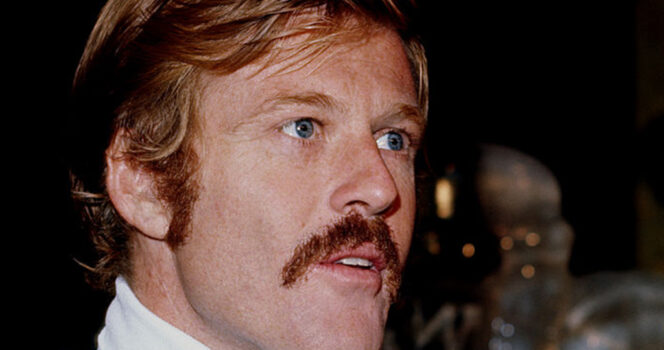
It’s hard to imagine a world without Robert Redford in it.
When I heard he had passed away at 89, I felt a lump in my throat.
Redford wasn’t just a movie star — he was the kind of figure who made you believe in cinema, in storytelling, and even in America itself.
All-American golden boy
To me, Redford was always more than the golden-haired charmer on screen. Sure, he was breathtakingly handsome, maybe the last true matinee idol, but beneath that, there was a quiet strength, a searching soul.
In every role, whether as the Sundance Kid or Bob Woodward in All the President’s Men, he seemed to be holding up a mirror to our country. He made us reflect who we are, and sometimes who we were afraid to admit we had become.
Redford was the all-American golden boy with the tousled hair and sunlit smile, but what made him unforgettable was that he never settled for being just a heartthrob. From Butch Cassidy and the Sundance Kid to The Old Man & the Gun, he stood at the crossroads of entertainment and cultural reckoning, turning popular films into mirrors of America’s anxieties and hopes.
Although he never took home an acting Oscar, the Academy honored Robert Redford’s remarkable career with a lifetime achievement award in 2002.
Redford gravitated toward roles that were unconventional, reflecting his deep love for independent cinema. Yet he often felt his striking looks worked against him rather than for him.
“The notion that you’re not so much of an actor, you’re just somebody that looks well. That was always hard for me,” he admitted.
“I always took pride in whatever role I was playing; I would be that character.”
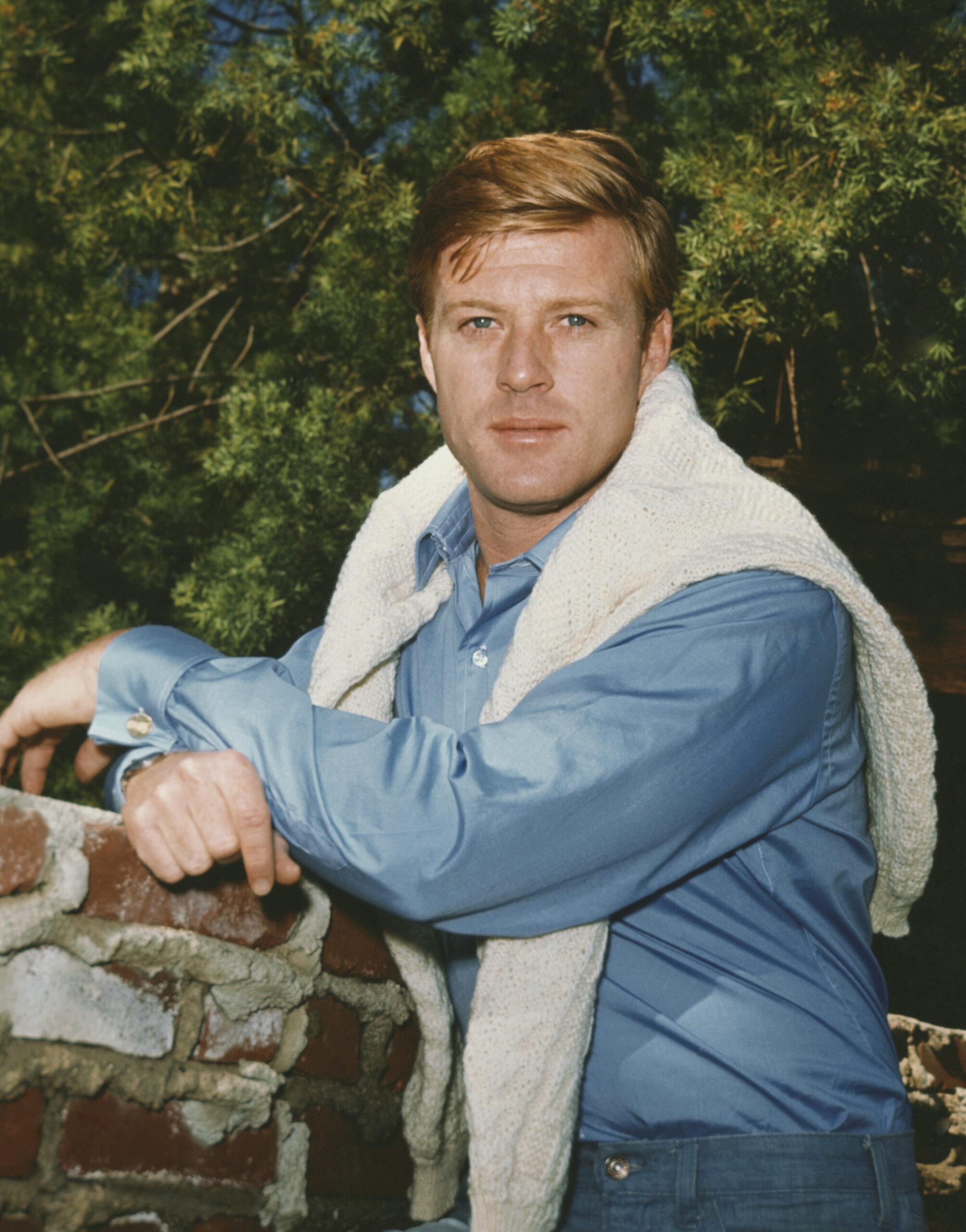
But perhaps what set him apart most was the life he lived off-screen. The reluctant superstar didn’t hide in the glitter of Hollywood; he built something bigger than himself.
Redford knew that Hollywood wasn’t really about art, but he refused to accept the brutal reality of the industry. Through Sundance, he nurtured independent voices that would otherwise have gone unheard, reshaping the industry and ensuring that cinema stayed rooted in truth and innovation.
In many ways, Redford disliked his native city, Los Angeles, and especially Tinseltown. His favorite place was Mount Timpanogos in Utah, which first captivated him as a student driving home from the University of Colorado. It was also in Utah, surrounded by the mountains he loved, that he took his final breath.
He fought for the environment long before it was fashionable, speaking up for the land and wild spaces that defined his identity as much as the silver screen ever did.
”Because of my beliefs, I was burned in effigy, and there were threats to my life. It wasn’t fair to my family,” he once said.
How he handled personal loss
Behind the iconic smile, Redford’s life was marked by deep personal loss — his mother, gone too soon; his infant son, lost to SIDS; his adult son Jamie, taken by cancer. It was those tragedies, I believe, that gave his work its gravity. The man who looked like a golden god understood heartbreak, and it made him human.
As a director, Redford also achieved great success. Robert Redford’s directorial debut, Ordinary People, dived deep into grief, guilt, and family tension – showing audiences the raw, unfiltered side of loss that Hollywood rarely dared to portray at the time.
When a reporter once asked him what he wanted his movie to say to young people, he replied:
”I don’t want it to say anything to young people. I want it to say something to grownups, if it says anything. I want it to say, ’Listen to young people’.”
In losing Robert Redford, we lose not just a star, but a moral compass in an industry too often driven by ego.
Now, as we say goodbye, I think of Redford not only as a legend of the screen but as someone who showed us how to live through pain with grace.
He made us dream, he made us think, and he gave us reasons to believe in stories.
Hollywood will never see another like him.
