The timer on the French press beeped, a sharp, digital intrusion into the quiet morning kitchen.
Four minutes. Exactly.
Caleb Morrison pressed the plunger down slowly, watching the dark swirl of coffee grounds settle at the bottom of the glass. It was Tuesday morning, early June, 9:47 a.m. The sun was slanting across the granite countertops of the house in the Ohio suburbs he had paid for, maintained, and lived in for fourteen years.
He had three hours and forty‑three minutes until their flight out of the regional airport. The bags were packed by the door. The cat was at the sitter’s. The itinerary was printed and sitting in a neat plastic sleeve on the table.
His phone buzzed against the countertop.
He picked it up, expecting a notification from the airline or maybe a reminder about the airport shuttle. He read the message once. Then he blinked, the world tilting slightly on its axis, and read it again.
“Plans changed—you’re not coming on the cruise. My daughter wants her real dad. Rowan’s coming instead. We’ll talk when I get back.”
Caleb stared at the screen. The coffee was still hot in the press, steam rising in a lazy spiral. His hand didn’t shake. Not yet. That would come later. Right now, there was only a cold, hollow silence that seemed to rush into his ears, drowning out the hum of the refrigerator and the distant sound of a lawnmower down the street.
On the kitchen table, beneath the plastic sleeve of documents, was a Post‑it note in his own handwriting: “Departure 12:30 p.m.”
Beneath that was the booking confirmation. Three passengers: Caleb, Marbel, Taran. Total cost: $11,400. Paid in full from his savings account three months ago.
He picked up the paper. He looked at the cost. He looked at the mortgage statement peeking out from the mail pile. $2,100 a month. His name was the only one on the envelope. It had been the only one for sixteen years.
On the wall, framed in tasteful matte silver, was the family photo from Taran’s high school graduation. Marbel and Taran stood in the center, beaming, radiant in the summer light. Caleb stood at the very edge of the frame, slightly out of focus, as if the camera hadn’t known he was supposed to be the subject.
He had never noticed that before. Or perhaps he had, and he had simply chosen not to see it.
His phone buzzed again. Another text from Marbel.

“I know you’re upset, but Taran needs this. Be understanding. We can work it out later.”
Caleb looked at the words “Be understanding.” It was a phrase he had heard a thousand times over fourteen years. Be understanding when Taran ignores you. Be understanding when Rowan shows up at holidays. Be understanding that you are the wallet, the safety net, the provider, but never the father.
He didn’t reply. He deleted the message.
He opened his laptop, the screen glowing blue in the dim kitchen. He didn’t go to Facebook. He didn’t text his friends. He typed four words into the search bar, his fingers hitting the keys with deliberate, heavy strokes.
“Real estate lawyer near me.”
The Mathematical Breakdown of a Life
The airline representative answered on the third ring, her voice chirpy and professional, completely at odds with the demolition taking place in Caleb’s chest.
“I need to cancel a reservation,” Caleb said. “Caleb Morrison.”
“I’m sorry to hear that, sir. Let me pull up your booking. Is everything okay?”
“Change of plans,” he said. His voice sounded strange to him—flat, metallic.
“Uh, I see three passengers on this reservation. Are you canceling for everyone or just yourself?”
Caleb paused. He looked at the empty kitchen. He looked at the coffee cup he hadn’t touched.
“Just myself.”
The hold music started. Steel drums. A calypso rhythm meant to evoke white sand and blue water. It was the soundtrack of other people’s happiness.
“Mr. Morrison, unfortunately this is a non‑refundable ticket. You’ll lose the $847 value.”
“I understand.”
“Are you sure you want to proceed?”
“Yes.”
She took his confirmation number. He wrote it down on the cruise document in blue ink, crossing out his own name on the passenger list with a single, straight line.
The cruise line was next. Same tropical hold music. Same chirpy sympathy. He removed himself from the cabin reservation.
“The other passengers can still go?” the agent asked.
“Yes,” Caleb said. “They’re going.”
He hung up. The silence of the house returned, heavier now.
Caleb walked to the home office, a room he had painted a soft beige three years ago because Marbel said it was soothing. He opened the filing cabinet. The folders were labeled in his blocky, precise handwriting, color‑coded and alphabetized.
He pulled the heavy folder marked “HOUSE PURCHASE & TAX.”
He opened it on the desk. The property deed was on top, dated 2007.
Purchased for $187,000.
One name on the title: “Caleb Morrison.”
He had bought the house two years before he met Marbel. When they married, he had intended to add her name. He had brought the paperwork home once. She had been busy, stressed about Taran’s soccer schedule, and had waved him off. “We’ll do it later,” she’d said.
Later never came.
He photographed the deed with his phone. Three angles, ensuring the county seal and his name were perfectly legible. Then he dialled the number the search engine had given him.
The lawyer answered on the second ring.
“I own a house,” Caleb said, skipping the pleasantries. “My wife’s name isn’t on the deed. We’ve been married fourteen years. I need to know if I can sell it without her permission.”
There was a long pause on the other end. The lawyer, a man named James Brennan, cleared his throat.
“Let me pull up your state’s property law,” Brennan said. “This is… Are you sure you want to do this? This is a nuclear option, Mr. Morrison.”
Caleb looked at the deed in his hand. Fourteen years of mortgage payments. Fourteen years of fixing leaks, mowing the lawn, painting the trim. Fourteen years of being told to be understanding.
“Yes,” Caleb said.
At 10:15 a.m., a car pulled into the driveway.
Caleb stood at the upstairs bedroom window, the curtain pulled slightly aside. It was a 2019 Toyota Camry, silver, fading on the hood. Rowan’s car. It was newer than Caleb’s 2014 Ford F‑150, despite Rowan never having held a steady job for more than six months.
The front door opened below. Caleb heard the rumble of suitcase wheels on hardwood.
Marbel came out first, pulling her large suitcase—the Samsonite he had bought her for Christmas. Taran followed, wearing sunglasses and a backpack, carrying a smaller bag.
They were laughing.
The sound didn’t carry through the double‑paned glass, but Caleb could see it. He saw the tilt of Marbel’s head, the relaxed slump of Taran’s shoulders. They looked relieved. They looked free.
Rowan got out of the car. He was wearing his faded Tennessee Titans cap, the brim frayed. He opened the trunk. Taran dropped her bags on the driveway and hugged him.
It wasn’t a polite hug. It was a full embrace.
Caleb counted. One. Two. Three. Four. Five. Six. Seven. Eight.
Eight seconds.
Marbel walked up to Rowan. She touched his arm. It was a small gesture, familiar and easy. The way you touch someone you have touched a thousand times before.
The bags went into the trunk. Taran climbed into the back seat. Marbel got into the front passenger seat. Rowan walked around, got in, backed out of the driveway, and turned toward the highway that led to the airport.
Caleb let the curtain fall.
He stood there for thirty seconds, the darkness of the room wrapping around him. Then he walked downstairs.
The house was silent. On the kitchen counter, he found a note in Marbel’s handwriting, scrawled on the back of a grocery receipt.
“Took Uber to airport. Rowan picking us up actually. Thanks for understanding. Love you.”
He read it three times. The word “love” looked like a lie written in cursive.
He crumpled the note in his fist, tight, until his knuckles turned white. Then he stopped. He smoothed the paper back out, pressing it flat against the granite.
Evidence.
He folded the note carefully and put it in the folder with the property deed. Then he went back to his laptop and waited for the lawyer to call back.

The Office Above the Hardware Store
James Brennan’s law office was located above the True Value hardware store on Main Street. It smelled of old paper, lemon polish, and the faint, dusty scent of law books that hadn’t been opened in a decade. A framed print of the American flag hung behind the desk.
Brennan looked about fifty, with graying temples and reading glasses on a chain. He watched Caleb sit in the worn leather chair.
Caleb slid the folder across the desk.
“Property deed. Mortgage statements. Marriage certificate.”
Brennan opened the folder. He read in silence for three minutes. The only sound was the ticking of a grandfather clock in the corner and the distant rumble of traffic on Main Street.
Finally, Brennan looked up. He made a few notes on a yellow legal pad with a fountain pen.
“Separate property statute,” Brennan said, tapping the pad. “In this state, assets acquired before marriage remain separate unless explicitly commingled or transferred. Your house qualifies as separate property. You paid the mortgage from an account in your name?”
“Yes. Never added her to the checking account either. She had her own. I transferred money to her for groceries.”
“So you can sell it legally?” Brennan asked rhetorically. “Yes. You can.”
Brennan leaned back in his chair, studying Caleb’s face. “Is this about infidelity?”
“It’s about respect,” Caleb said.
“How long married?”
“Fourteen years.”
“Kids together?”
“Stepdaughter. She’s twenty now.”
Brennan raised an eyebrow. “You’ve been thinking about this for a while.”
“No,” Caleb said, his voice hard. “I’ve been ignoring it for a while. As of this morning, at 9:47 a.m., I’m done ignoring it.”
The attorney wrote down a figure on the pad and turned it around.
“$2,500 retainer for a clean divorce. $5,000 if she contests. But given the property status, she doesn’t have much ground to contest.”
“She won’t have the money to contest it,” Caleb said.
Brennan paused. “You want to tell me what happened?”
“She texted me. Told me I’m not coming on the vacation I paid for. Said I’m not family. I’m taking her at her word.”
There was a long silence in the office. Brennan took off his glasses.
“I can have a realtor here in thirty minutes,” Brennan said. “Denise Brock. She’s aggressive. In this market, you’ll have offers in a week. But I need to warn you, Mr. Morrison. Once you ring this bell, you can’t unring it. She’ll come home to a sold house.”
Caleb looked down at his left hand. The gold wedding band was scuffed from years of yard work and home repairs. The skin underneath was paler than the rest of his hand.
“Good,” Caleb said. “Make the call.”
The Digital Excavation
By the time Caleb got back home, the afternoon sun was blazing. The realtor, Denise, was scheduled for the next morning.
Caleb sat at his desk and opened a new spreadsheet on his laptop. He labeled it: “FINANCIAL CONTRIBUTION ANALYSIS 2009–2023.”
He pulled fourteen years of bank statements from the filing cabinet. He had always been meticulous. Every statement was there, preserved in plastic sleeves.
He started with the mortgage.
$2,100 a month times 168 months.
He entered the formula. The cell populated instantly: $352,800.
Property tax. $3,200 a year times fourteen years. $44,800.
Taran’s college. He pulled the receipts. Tuition, room and board, books, sorority fees. Four years. $127,000.
Her car. The 2018 Honda Civic he’d co‑signed for, then paid off when she “forgot” the payments three months in a row. $22,000.
Insurance on that car. $9,000.
He kept going. Groceries. Utilities. Vacations. The new roof in 2018. The HVAC replacement in 2021.
When he finished, he created a second column: “MARBEL’S CONTRIBUTIONS.”
He moved down the rows.
Mortgage: $0. Taxes: $0. Tuition: $0.
He created a third sheet: “JOINT BANK ACCOUNT ANALYSIS.”
He listed every deposit. One hundred sixty‑eight deposits from his paycheck. Zero from hers.
He listed the withdrawals. Four hundred twelve distinct withdrawals initiated by Marbel.
He color‑coded it. His contributions in green. Hers in red. The screen became a sea of green with islands of angry red.
Total investment over fourteen years: $552,000.
He printed two copies. He punched holes in them and put them in a new binder labeled “DIVORCE.”
Then he opened a new browser tab. He typed in Marbel’s name and added “Facebook.”
He hadn’t looked at her social media in years. She had told him she didn’t use it much.
That was a lie.
Her profile was public. Caleb scrolled through the timeline methodically, his face illuminated by the cold blue light of the screen.
He saw photos of lunch dates. Photos of day trips.
He started counting.
Photos with Rowan over fourteen years: Forty‑seven. Photos with Caleb: Three. All holidays. All stiff and posed.
Her relationship status wasn’t “Married.” It was “It’s complicated.”
They had been married fourteen years. He paid her bills. He slept in her bed. And to the world, it was complicated.
He opened the comments on a photo from 2019. Marbel and Rowan were sitting in a booth at a diner off the interstate. Taran was next to them. The caption read: “Late lunch with my favorites.”
A friend had commented: “You two look so good together.” Marbel had liked the comment.
Caleb checked his calendar for that date. He had been on a business trip to Atlanta, working twelve‑hour days to pay for Taran’s tuition.
He opened Taran’s Instagram next. Public profile.
He searched for his name. Zero results.
He searched for the tag #stepdad. One post. Four years ago. A generic graphic that said “Happy Father’s Day to all the stepdads.” No photo. No caption.
He searched her tagged photos.
Rowan appeared sixty‑seven times. Caleb appeared four times. In the background. Holding a camera. Driving the car.
He found a post from three months ago. A screenshot of the cruise booking confirmation.
Taran’s caption: “Dream vacation with my real family. Can’t wait.”
Caleb stared at the screen. “Real family.”
They had known for three months. They had planned it. They had posted about it. They had laughed about it.
He took a screenshot.
Then he logged into the car insurance portal. He was the policyholder.
He found Taran’s vehicle. 2018 Honda Civic. Premium: $1,847 per year.
He clicked “MANAGE DRIVERS.”
He selected Taran Morrison.
“REMOVE DRIVER.”
A warning box popped up: “Removing this driver will cancel their coverage effective immediately. Are you sure?”
He thought about the text. “You’re not family.”
He clicked “CONFIRM.”
Next, the cell phone plan. Family plan. Taran’s line cost $65 a month plus data overages.
He went to the call logs.
Calls to Marbel in the last two years: 840. Calls to Rowan: 420. Calls to Caleb: 63.
Sixty‑three calls in two years. Once every eleven days. Usually asking for money.
He went to the line settings. “CANCEL LINE.”
“Effective immediately.”
“CONFIRM.”
He sat back in his chair. The room was dark now. The only light came from the laptop screen and the streetlamp outside.
It wasn’t revenge. It was correction. It was balancing the ledger.
The Neighbor’s Confession
Wednesday morning. The FOR SALE sign was going up.
Two workers were hammering the wooden post into the front lawn. “BROCK REALTY. COMING SOON.”
Caleb stood on the porch with his coffee. Across the street, Rita, the widow who lived in the blue ranch house, was watering her hydrangeas. She stopped when she saw the sign. She looked at Caleb.
She turned off the hose and walked across the street.
“Caleb,” she said, stopping at the bottom of the porch steps. “You’re selling.”
“I am.”
“Is Marbel… did she go on that trip?”
“She did. Without me.”
Rita nodded slowly. She looked like she was debating something. She reached into her apron pocket and pulled out her phone.
“Come sit on the swing, Caleb. I need to show you something. I didn’t want to get involved, but if you’re selling… you need to know.”
They sat on the porch swing. It creaked rhythmically. Rita opened her Ring camera app.
“This is from last April,” she said.
She played a video. Nighttime. Grainy but clear. Rowan’s silver Camry pulling into Caleb’s driveway at 8:15 p.m. Fast forward. Rowan’s car leaving at 6:30 a.m. the next morning.
“This is July,” Rita said. Same thing. “October.” Same thing.
“How many times?” Caleb asked. His voice was very quiet.
“I have forty‑seven videos saved over the last two years,” Rita said. “I didn’t know if you had an arrangement. I didn’t want to hurt you.”
“I didn’t know,” Caleb said.
Rita’s eyes filled with tears. “I’m so sorry. I’ve lived across from you for fourteen years. I watched you leave for work every morning. I watched you mow this lawn. You’re a good man, Caleb. You didn’t deserve this.”
“Did you ever see them… together?”
Rita hesitated. “Fourth of July. Two years ago. You were at your brother’s place. They were on the porch steps. Kissing.”
On his porch. In his house. While he was working to pay for the roof over their heads.
“Can you send me those videos?” Caleb asked.
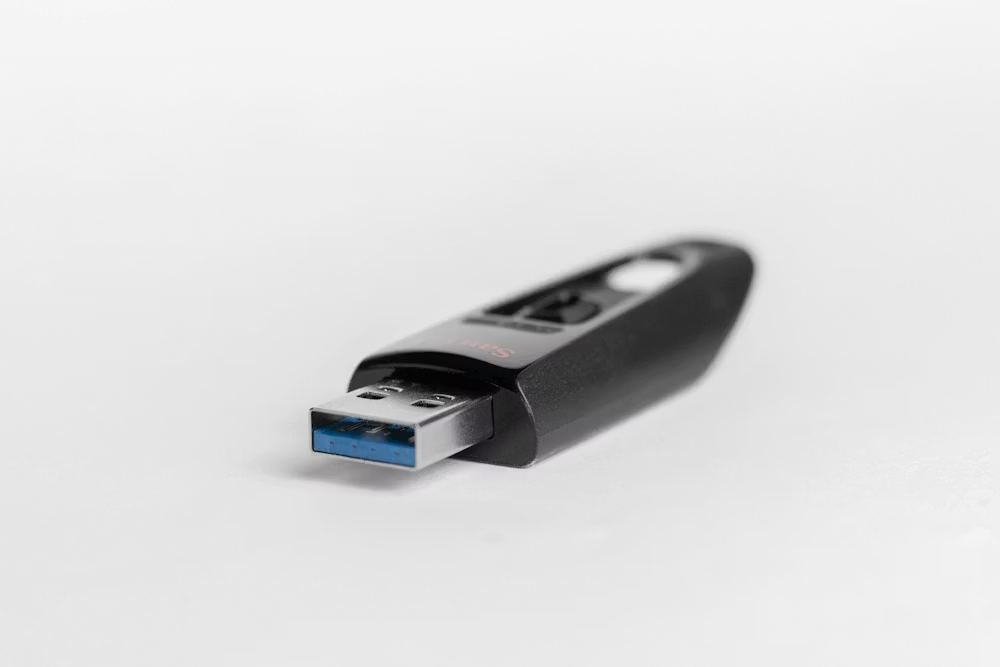
“I put them on a USB drive,” Rita said. “Just in case.” She handed him a small silver stick.
Caleb closed his hand around it. “Thank you, Rita.”
The Sale
Denise Brock was as aggressive as promised. She staged the house on Thursday. She removed every personal item.
“We need to neutralize the space,” she said, taking down the wedding photo. “Buyers need to imagine their own lives here.”
Caleb helped her carry the boxes to the garage. He looked at the wedding photo one last time before tossing it into the trash bin.
The listing went live at 2:00 p.m. Thursday. “Charming suburban home. Immaculately maintained. Motivated seller. Cash offers preferred.”
By Friday morning, they had four offers.
One was for $355,000. All cash. Ten‑day close.
“Take it,” Caleb said.
“We could get more if we wait through the weekend,” Denise advised.
“I don’t want more,” Caleb said. “I want it done. I want the SOLD sign up before Monday.”
“Okay. We’ll accept.”
On Saturday morning, Caleb sat in his truck. The house was empty. The furniture was sold to a liquidator who had come on Friday. The personal items—Marbel’s clothes, Taran’s childhood trophies—were packed into twelve boxes stacked on the front porch.
He had texted Marcus, his old fishing buddy he hadn’t seen in three years.
“Need a place to stay. And a truck.”
Marcus hadn’t asked questions. He had just sent an address for a small rental in Maple Ridge, forty‑five miles away. “It’s mine. You can have it. Pay me when you can.”
Caleb looked at the house one last time. It looked small now. Just wood and brick and glass.
He drove away without looking back.
The Return
Monday, 4:30 p.m.
Caleb was waiting in the driveway of the empty house. He sat on the tailgate of his truck, cleaning his fingernails with a pocketknife.
At 4:47 p.m., the silver Camry turned onto the street.
They saw the sign first.
“SOLD.”
The car braked hard, tires chirping on the asphalt. It swerved into the driveway and stopped.
Marbel got out first. Her tan from the cruise looked sallow in the harsh Ohio light. She looked at the sign. She looked at the boxes on the porch. She looked at Caleb.
“What did you do?” she screamed. Her voice cracked.
Caleb stood up slowly. He didn’t raise his voice.
“I sold the house.”
“You can’t!”
“I can. I did. Check the deed. My name only. Closing is Wednesday.”
Taran got out of the car. She looked furious.
“Where are we supposed to go?” she yelled. “My room! All my stuff!”
Caleb pointed to the porch.
“Your stuff is in those boxes. You have forty‑eight hours to move them. After that, the new owners take possession. If you’re here after Wednesday, you’re trespassing.”
Rowan stepped out of the driver’s side. He looked small. Deflated.
“Now hold on, Caleb,” Rowan said, putting on a fake conciliatory tone. “We can talk about this like men.”
Caleb laughed. It was a dry, rasping sound.
“We’re done talking,” Caleb said. “I know about the nights you spent here, Rowan. I have the videos. I know about the ‘real family’ text. I know about the bank fraud attempt from the ship.”
Marbel froze.
“You tried to drain the savings account on Thursday,” Caleb said. “The bank blocked it. I removed you from the account. And the credit cards. And the insurance.”
He looked at Taran.
“Your phone is off. Your car insurance is canceled. The tuition checks are stopped.”
Taran’s mouth dropped open. “You can’t do that! I have school in the fall!”
“You wanted your real family,” Caleb said, his voice cold as ice. “Ask your real dad for the tuition. Ask him for the insurance money. Ask him for a place to sleep tonight.”
He got into his truck. He started the engine.
“Caleb, please!” Marbel sobbed, running to the window. “We have nowhere to go! Rowan’s apartment is a studio! We can’t fit!”
Caleb rolled down the window two inches.
“Be understanding,” he said.
And he drove away.
The Aftermath of “Real”
The reality set in fast.
Rowan’s apartment was six hundred square feet of beige carpet and stale cigarette smoke. Taran slept on the couch. Marbel slept on a blow‑up mattress on the floor because the bed was too small for two people.
On Tuesday morning, Taran tried to use her phone. “SOS Only.” She tried to start her car. The battery was dead, and without insurance, she couldn’t call roadside assistance. She logged into her university portal. “Fall Tuition Due: $9,200.”
She turned to Rowan, who was eating cereal on the recliner.
“Dad,” she said. “I need nine grand for tuition.”
Rowan didn’t look up. “Baby, I don’t have that kind of money.”
“But you’re my dad. You said Caleb was just the wallet. You said you were the one who mattered.”
“I matter emotionally,” Rowan mumbled.
“Emotionally doesn’t pay for my degree!” Taran screamed. She threw a pillow across the room. “You never paid for anything! Caleb paid for my car, my school, my phone, my food! And we treated him like garbage!”
Marbel was sitting at the small kitchen table, staring at a stack of papers. The divorce petition had been served that morning.
“He has everything,” Marbel whispered. “The house proceeds. The savings. The retirement. He has the emails, Rowan. He has the emails where we made fun of him.”
“So fight him,” Rowan said.
“With what money?” Marbel snapped. “I have eighteen dollars in my purse. You have… what? Two hundred until payday?”
She looked around the dingy apartment. This was it. This was the “real family” she had wanted.
It was small. It was broke. And it was miserable.

The Reset
Caleb sat on the porch of the rental house in Maple Ridge. It was a small house, just one bedroom, but it sat on two acres of woods. It was quiet.
Marcus came over on Saturdays. They fished in the creek. They grilled steaks. They didn’t talk much, which was exactly how Caleb liked it.
Six months passed.
Caleb’s blood pressure dropped twenty points. He lost fifteen pounds of stress weight. He started a small woodworking business in the shed out back, making custom tables.
One Tuesday, he went into town to the diner.
The waitress, a woman named Darla who had known him for years, poured his coffee.
“Heard you moved,” she said.
“I did.”
“Heard Marbel is working at the Target checkout now,” Darla said, leaning in. “And Taran had to drop out of State. Working at the gas station.”
Caleb took a sip of his coffee. It was hot, black, and bitter. Just the way he liked it.
“Is that so?” he said.
“People talk,” Darla said. “They say she regrets it. Says she didn’t know how good she had it.”
Caleb looked out the window at the gray Ohio sky. A cardinal landed on the hood of his truck, a flash of brilliant red against the metal.
“Regret is a heavy thing to carry,” Caleb said. “I carried it for fourteen years. I’m just glad I put it down.”
He finished his coffee, left a twenty‑dollar tip, and walked out to his truck.
He didn’t drive past the old house. He didn’t look up Marbel on Facebook. He didn’t wonder how they were doing.
He just drove home to his small, quiet house, where the only name on the lease was his own, and the only silence was the kind that brought him peace.
We want to hear what you think! Was Caleb’s reaction justified, or was selling the house while they were away too harsh? Let us know in the comments on the Facebook video. And if you believe that respect is the foundation of family, share this story with your friends and family!
Please let us know your thoughts and SHARE this story with your Friends and Family!
