Scientists have found a strange new lifeform inside the human body. These lifeforms, called ‘obelisks,’ are tiny, virus-like entities made of circular genetic material. They have only one or two genes and can form a rod-like shape.
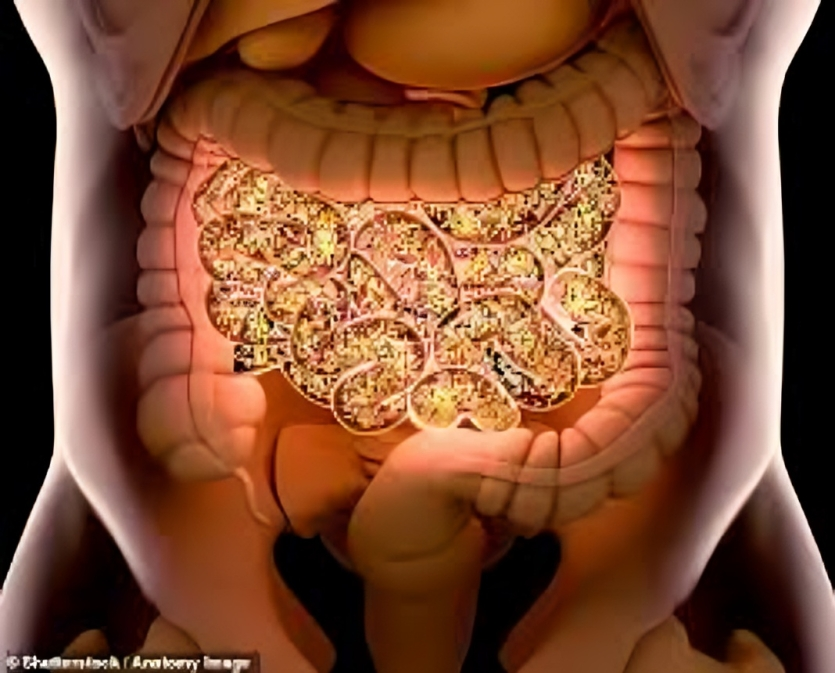
Obelisks appear in about half of the world’s population but were only discovered recently. Researchers found them while searching for unusual patterns in genetic data that didn’t match known organisms. These tiny beings live in the mouth and gut bacteria of humans, staying in their host for about one year. However, scientists are unsure how they spread.

The obelisks’ genetic material looks like RNA loops, similar to viroids—viruses that infect plants. This discovery surprised experts because viroids have never been found in human bacteria before. Mark Peifer, a cell biologist, called the discovery “insane,” saying, “The more we look, the more crazy things we see.”
It’s not clear whether obelisks are harmful or helpful to humans. The scientists suggested that they might just “ride along” in their host without causing harm. They could even play a role in shaping life on Earth by infecting different species over time. Viroids, including Hepatitis D, can make people sick, so it’s still unknown if obelisks can do the same.

Obelisks, viroids, and viruses are considered non-living organisms because they can’t eat, regenerate, or reproduce on their own. Some researchers believe these tiny organisms might be some of the oldest forms of life on Earth.
The team of researchers, led by Ivan Zheludev at Stanford, found obelisks by studying data from human RNA samples collected from the mouth and gut. They discovered 30,000 different types of obelisks. These tiny entities are more common than previously thought, found in half the world’s population’s mouths and 7% of people’s guts.
Future research will help scientists understand how obelisks affect human health and the microbiome. They might be harmless, but if they impact health, it would be a significant discovery.
