After thorough research, scientists are overwhelmed to discover particles in the human blood and we humans are the ones to be blamed for this highly disturbing discovery.
It was determined that the tiny particles, which were traced in the blood of around 80% of the people who took part in the study, come from the air, as well as all from the summit of Mount Everest to the deepest oceans.
That humans, as well as animals, consume tiny particles of plastic through food and water is not something new having in mind the fact that the planet we live in is highly polluted and full of waste. These particles have previously been discovered in humans’ and babies’ faeces.
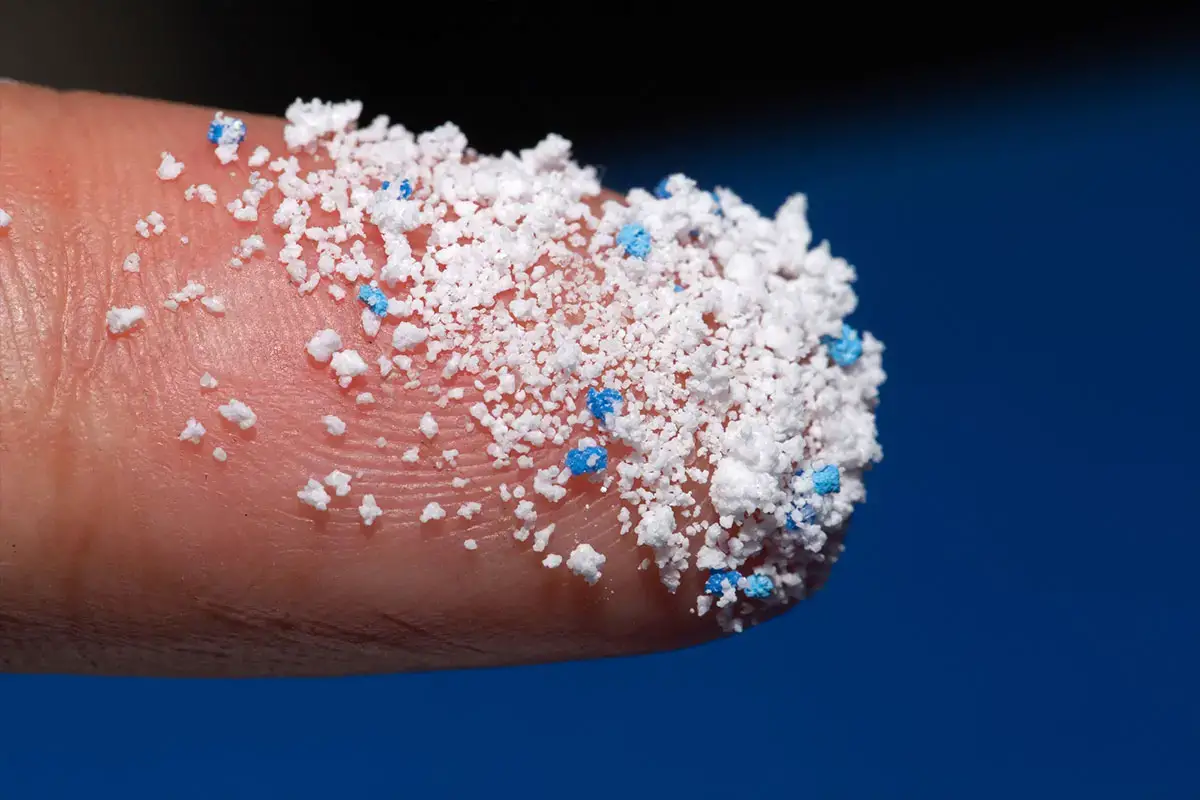
The results of the research show that in half of the blood samples taken from 22 healthy individuals, 17 of which were positive to presence of plastic, there were parts of PET plastic which is prevalent in drink bottles. 1/3 of them contained polystyrene, used for packaging food and products, and a quarter of the blood samples contained polyethylene, the most commonly produced plastic.
Professor Dick Vethaak, an ecotoxicologist at Vrije Universiteit Amsterdam in the Netherlands, gave an insight into the result of the research and explained, “Our study is the first indication that we have polymer particles in our blood – it’s a breakthrough result. But we have to extend the research and increase the sample sizes, the number of polymers assessed, etc.”
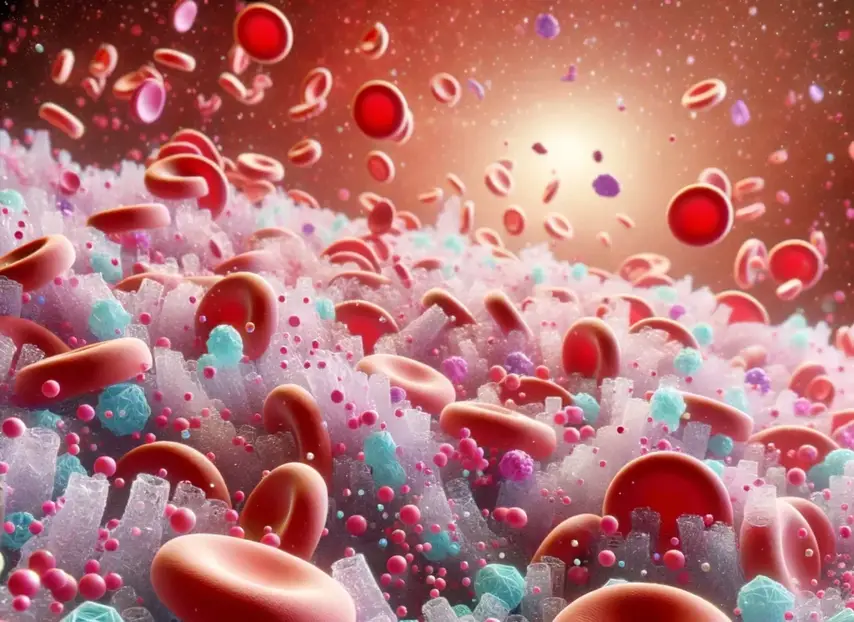
However, this is just a start, as further research needs to be conducted.
“It is certainly reasonable to be concerned,” Vethaak said in an interview with the Guardian. “The particles are there and are transported throughout the body.”
“We also know in general that babies and young children are more vulnerable to chemical and particle exposure,” he added. “That worries me a lot.”
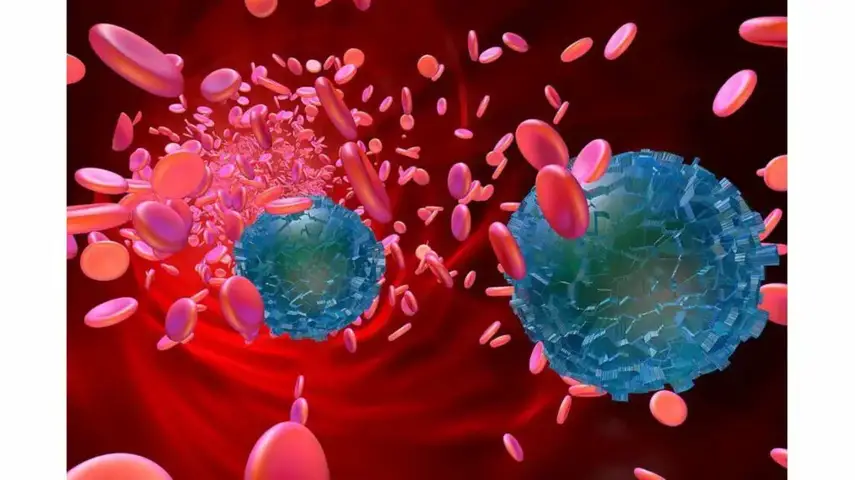
The number of plastic particles in the blood samples of the participants varied. Since this is a pioneering study, we are yet to learn more and investigate what exactly this means for humans in the long run.
“The big question is what is happening in our body?” Vethaak said. “Are the particles retained in the body? Are they transported to certain organs, such as getting past the blood-brain barrier?” And are these levels sufficiently high to trigger disease? We urgently need to fund further research so we can find out.”
Further, in a review paper, professor Vethaak wrote about the risk of cancer. “More detailed research on how micro- and nano-plastics affect the structures and processes of the human body, and whether and how they can transform cells and induce carcinogenesis, is urgently needed, particularly in light of the exponential increase in plastic production. The problem is becoming more urgent with each day.”
This is really huge and should serve as a wake-up call for humanity to undertake immediate action regarding air pollution and proper waste disposal. Planet Earth is suffocating on our watch and that needs to change as soon as possible!
Please SHARE this article with your friends and family on Facebook.
