Anyone who’s ever dealt with an infestation of Evergreen Bagworms knows the heartbreaking impact these tiny creatures can have on our beloved trees. These magnificent evergreen trees lose their lush pine needles, eventually succumbing to the infestation. But fret not! There are ways to save your trees if you know what to do.
The Evergreen Bagworm: A Quiet Tree Threat
Few pests are as well-known as the Evergreen Bagworm when it comes to endangering the health and attractiveness of trees.
The Evergreen Bagworm, or Thyridopteryx ephemeraeformis in scientific terms, is a moth species belonging to the family Psychidae. These small creatures may go unnoticed, but they cause considerable harm. They earn their name from the unique protective casing they construct for themselves, known as a bag or case.
Over time, this structure grows and becomes their portable shelter and means of camouflage, making them appear like small bags hanging from tree branches.
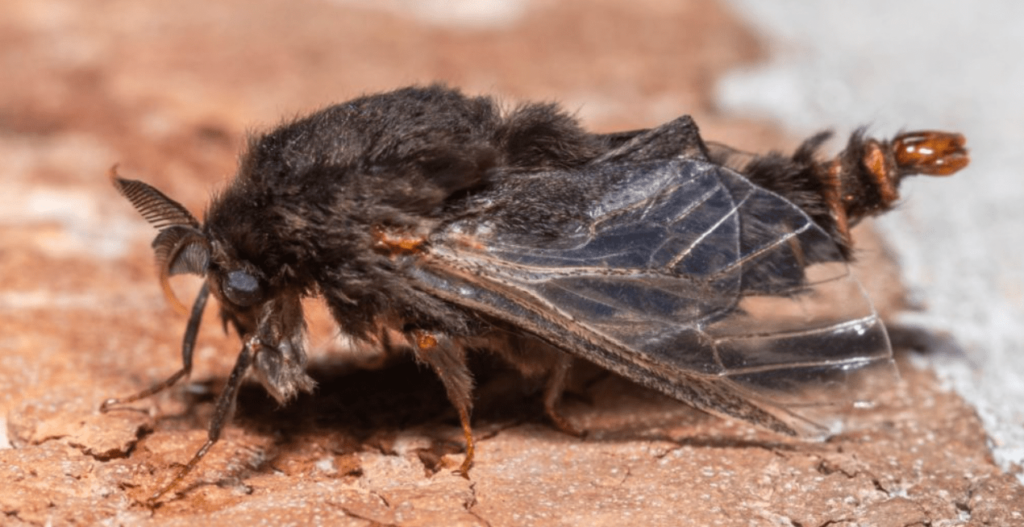
Life Cycle of the Evergreen Bagworm
Understanding the life cycle of the Evergreen Bagworm is crucial to effectively manage and control their infestations. The reproductive cycle of these moths begins when the female adult lays her eggs inside her own bag, which is then left hanging on the tree after she passes away. These eggs remain dormant throughout winter and hatch in late spring or early summer, giving birth to tiny larvae.
The newly hatched larvae venture out of their bags in search of a suitable host tree. Once they find a suitable location, they start building their bags using silk produced by special glands in their bodies. Initially, the bags are small and inconspicuous, but as the larvae grow, they periodically emerge to replenish their casings with additional plant debris, causing the bags to grow larger and more noticeable over time.
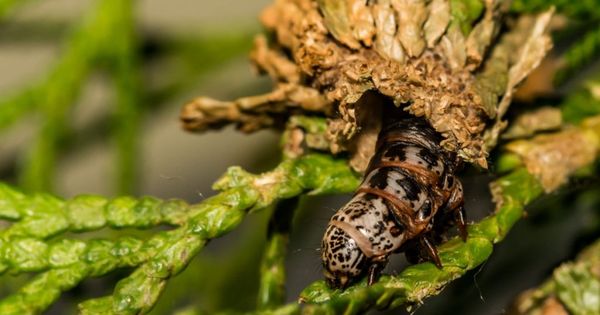
As the larvae grow, they molt multiple times, shedding their skins to accommodate their expanding size. A new bag is built for each stage of growth. By late summer or early fall, bagworm larvae typically reach their final instar, lasting for about six weeks, and become ready to pupate.
Within their protective cases, the moth undergoes a transformation from the larval stage to the adult stage. Hidden from sight, the pupae develop inside the bagworm cases. After about two weeks, the adult moths crawl out by creating a circular opening in the case. The larger, wingless female moths stay close to the original tree, while the smaller, darker, and clearer-winged males fly off in search of females.
The Destructive Nature of the Evergreen Bagworm
At first sight, Evergreen Bagworms may seem harmless, but if left uncontrolled, they can cause serious harm to trees. These pests are voracious eaters, feasting on the foliage of various tree species. They hide within their bags, benefiting from the protection and camouflage they provide.
The defoliation caused by bagworm larvae feeding on a tree’s leaves hampers its ability to photosynthesize and produce the necessary nutrients for growth and survival. This feeding activity weakens the tree, making it more susceptible to other diseases, pests, and environmental stressors. If left untreated, Evergreen Bagworms can lead to tree decline and, in some cases, even tree death.
Managing Evergreen Bagworm Infestations
To protect your trees from the destructive nature of Evergreen Bagworms, it’s crucial to preserve their health through prompt and efficient management. Here are some strategies and tactics to consider:
Maintaining Healthy Trees
Prevention is always better than treatment when it comes to Evergreen Bagworms. You can reduce the chances of infestation and improve the overall health of your trees by implementing the following practices:
– Regularly inspect your trees for any signs of bagworm infestation, such as the presence of bags hanging from branches.
– Prune off and destroy any bags you find on your trees, especially during the winter months when the eggs are dormant.
– Create a barrier around your trees using burlap or insect netting to prevent adult female moths from laying their eggs on your trees.
– Keep your trees well-watered and provide them with adequate nutrients to maintain their vitality and resilience.
By keeping your trees healthy and implementing preventative measures, you can safeguard them against the silent threat of Evergreen Bagworms.
The Bottom Line
Although the Evergreen Bagworm may be tiny and barely noticeable, it has the ability to silently kill trees. By understanding their life cycle, appreciating their destructiveness, and adopting good management practices, you can defend your trees from these stealthy intruders.
Regular inspections, preventative measures, and maintaining healthy trees will go a long way in stopping infestations and preserving the beauty and vitality of your landscape. Don’t let the silent threat of the Evergreen Bagworm rob you of the joy your trees bring.
