Have you ever wandered through an old building—maybe an aging school, an apartment built in the early 1900s, or a vintage hotel—and stumbled upon a tiny sink nestled in a corner, far from the kitchen or bathroom? If you’ve paused and wondered, “What was this used for?”—you’re not alone. I’ve had that same reaction more than once.
At first glance, these sinks seem oddly placed, like some kind of design mistake. But the truth is, they were once a vital part of keeping homes and facilities running smoothly. What you’re looking at is most likely a mop sink, and though small and often overlooked, it holds a quiet, functional legacy that tells the story of domestic life from a different era.
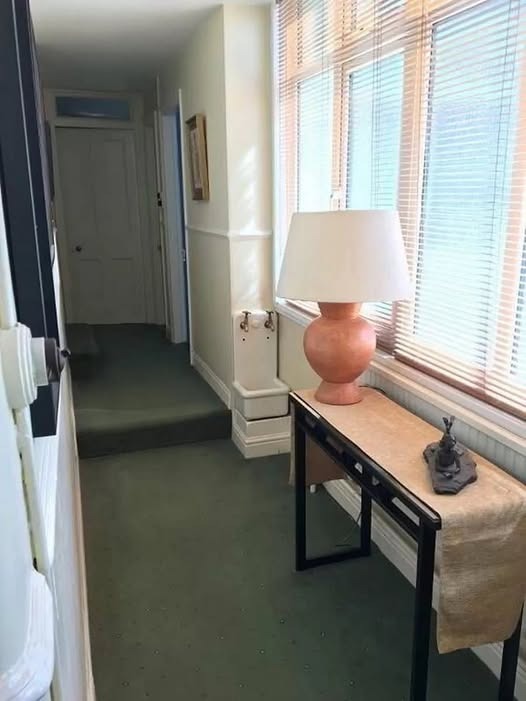 A Humble Fixture with a Purpose
Once I started paying attention to these sinks, curiosity got the best of me. Why were they always tucked away in back corridors or side entrances? Why so small, and yet so deliberately installed?
Digging into the past, I discovered the surprisingly clever role they played. Mop sinks were not just installed randomly—they served as dedicated cleaning stations for housekeepers, janitors, or even homeowners who wanted to keep dirty water and used mops out of the kitchen or main bathroom.
Instead of lugging grimy buckets to the same sink used for dishes or brushing teeth, these small utility basins gave people a separate space designed just for the messiest cleaning jobs. In a time before advanced cleaning systems or robotic vacuum cleaners, this was an efficient and hygienic innovation.
Designed for Simplicity and Sanitation
What makes a mop sink different from your average sink? First off, it’s usually mounted low to the ground, making it easier to dump buckets of water or rinse out heavy mops without lifting. They’re often made from durable, stain-resistant materials like porcelain or stainless steel and may be recessed into the floor or wall.
This wasn’t just about convenience—it was a smart sanitary measure. Having a designated spot to rinse and clean tools meant the rest of the home stayed cleaner. It helped prevent cross-contamination and made the daily routine a little easier for those doing the hard work of maintaining a household.
For professional cleaners and household staff, this small detail saved time and strain. And in larger homes or buildings where cleaning was a full-time job, the mop sink was as essential as any other plumbing fixture.
Mop Sinks vs. Butler’s Sinks: What’s the Difference?
If you’ve also come across the term butler’s sink—or Belfast sink, as it’s known in some places—you might wonder how the two compare.
While they may share a vintage vibe, they serve different functions entirely. Butler’s sinks are much larger and deeper, traditionally used in kitchens for heavy-duty tasks like washing produce, scrubbing cookware, or even bathing babies in a pinch.
Mop sinks, by contrast, are more utilitarian and task-specific. They’re designed solely for cleaning equipment—nothing more, nothing less. They don’t need to be elegant or multi-functional. Their beauty lies in their simplicity and purpose.
A Quiet Nod to Those Who Cleaned Before Us
There’s something quietly touching about stumbling upon a mop sink today. It may not shout for attention, but it whispers of the people who once scrubbed floors, emptied buckets, and worked behind the scenes to keep things tidy and livable.
These unassuming fixtures are a piece of domestic history, tucked into walls like a well-kept secret. They remind us that thoughtful design wasn’t invented yesterday. Long before minimalist layouts and smart appliances, builders considered how daily tasks were performed and added features to ease the burden.
For many, these mop sinks also evoke a kind of nostalgia. Maybe it brings back memories of a grandparent’s house or a school hallway where the janitor’s closet always seemed to have that faint scent of soap and damp tile. These little corners of functionality often go unnoticed, but they carry emotional weight.
Still Useful Today
While you’re more likely to find mop sinks in older buildings, they haven’t disappeared entirely. In fact, many commercial properties, hotels, and even some modern homes still install them—especially in laundry rooms, mudrooms, or maintenance closets.
In the age of Instagram-ready interiors and sleek bathroom vanities, these practical installations might not be the star of the show—but they still do their job without fuss. And in an era where we’re increasingly focused on sustainability and thoughtful living, there’s something refreshing about a feature built to last and built to help.
Why Mop Sinks Deserve a Second Look
So next time you find yourself exploring a vintage property and you spot one of those small, wall-mounted sinks near the floor, take a moment to appreciate it. It’s not just an odd plumbing choice or an outdated relic. It’s a reminder that the homes and buildings we move through today were shaped by generations of labor, design, and care.
These mop sinks tell a story—not just about cleaning, but about respect for everyday work, and the quiet genius of functional design. And in a world obsessed with the newest thing, maybe these humble fixtures deserve a little more admiration for how they’ve stood the test of time.
Conclusion: Small Sink, Big Legacy
What started as a passing curiosity turned into a deeper appreciation for a forgotten part of architectural history. Mop sinks might not be glamorous, but they reflect an era when functionality was just as important as form. They remind us that even the smallest fixtures can carry meaning, utility, and a bit of soul.
So the next time you spot one, don’t dismiss it. Instead, let it transport you—if only for a moment—into a past where every corner had a purpose, and every detail was designed to make life just a bit easier.
