Trump’s Revocation of Key Employment Act Sparks Debate Over Its Impact on Workers
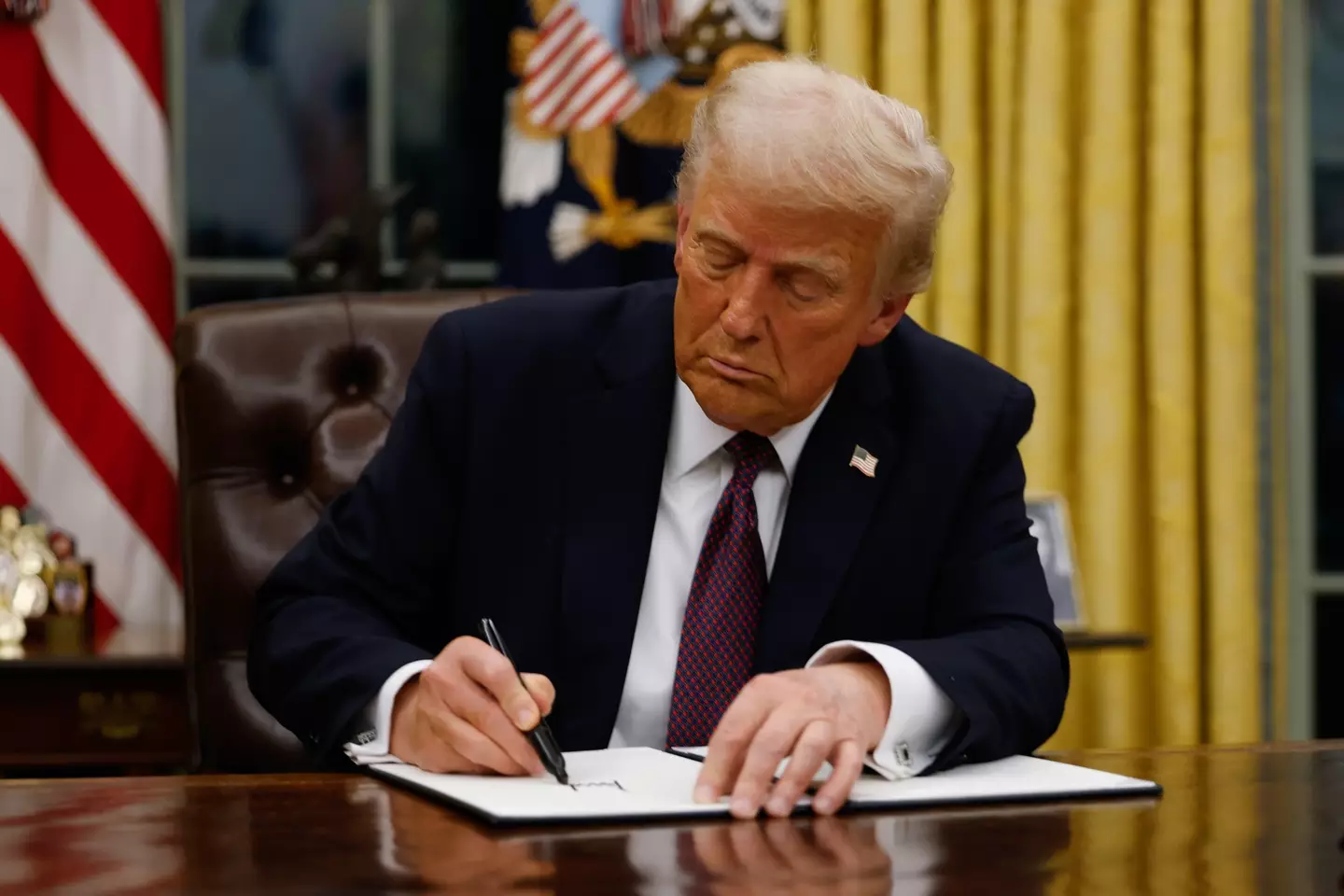
Since returning to the White House, President Donald Trump has wasted no time making his mark on his second term. Within hours of his inauguration on January 20, Trump signed 25 executive orders addressing a variety of issues, including halting the ban on TikTok, revising immigration laws, and controversially declaring that “there are only two genders.”
Among these sweeping actions, one of the most contentious decisions came on January 21, when Trump signed an executive order aimed at dismantling diversity, equity, and inclusion (DEI) programs across government agencies. This move included revoking Executive Order 11246, which had been in place since 1965 and was designed to protect workers from discrimination based on race, color, religion, sex, sexual orientation, gender identity, or national origin. The new order sends a clear message that DEI programs in federal agencies will be eliminated immediately, with Department of Labor employees responsible for enforcing these policies reportedly placed on paid leave, according to The New Republic.
What the Revoked Employment Act Means
Executive Order 11246 has long been a cornerstone of workplace protections, ensuring equal opportunity for underrepresented groups, including women, people of color, and the LGBTQ+ community. Advocates of the order have argued that it levels the playing field for minorities and promotes inclusivity in hiring practices and career advancement opportunities.
Trump’s revocation, however, targets what he describes as “radical and wasteful government diversity, equity, and inclusion programs.” The order prioritizes investigating compliance within large organizations, including publicly traded corporations, major non-profits, educational institutions with billion-dollar endowments, and professional associations. The administration argues that such measures will prevent companies from prioritizing race or gender in their hiring practices, focusing instead on merit-based decisions.
Critics, however, believe the decision will roll back decades of progress in combating workplace discrimination. Many fear it sends a message that inclusivity is no longer a priority for the federal government, potentially opening the door to systemic inequities in hiring and career advancement.
Mixed Reactions from Public Figures and Online Communities
Trump’s decision has sparked significant backlash online and from public figures. Critics argue that dismantling DEI programs undermines protections for minorities and marginalized groups in the workplace.
Basil Smikle Jr., a political strategist and policy advisor, expressed concern about the broader implications of the move. “There’s this clear effort to hinder, if not erode, the political and economic power of people of color and women,” Smikle said. “What it does is open up the door for more cronyism.”
Others have echoed these sentiments on social media. One Twitter user remarked, “Good for straight white males. Bad for everyone else,” reflecting the widespread belief that the changes disproportionately benefit those already in positions of privilege.
Public outcry has grown, with calls for the administration to reconsider its stance. Advocates for workplace diversity have warned that the removal of DEI programs could lead to increased discrimination and a loss of opportunities for underrepresented groups.
Supporters Defend the Move
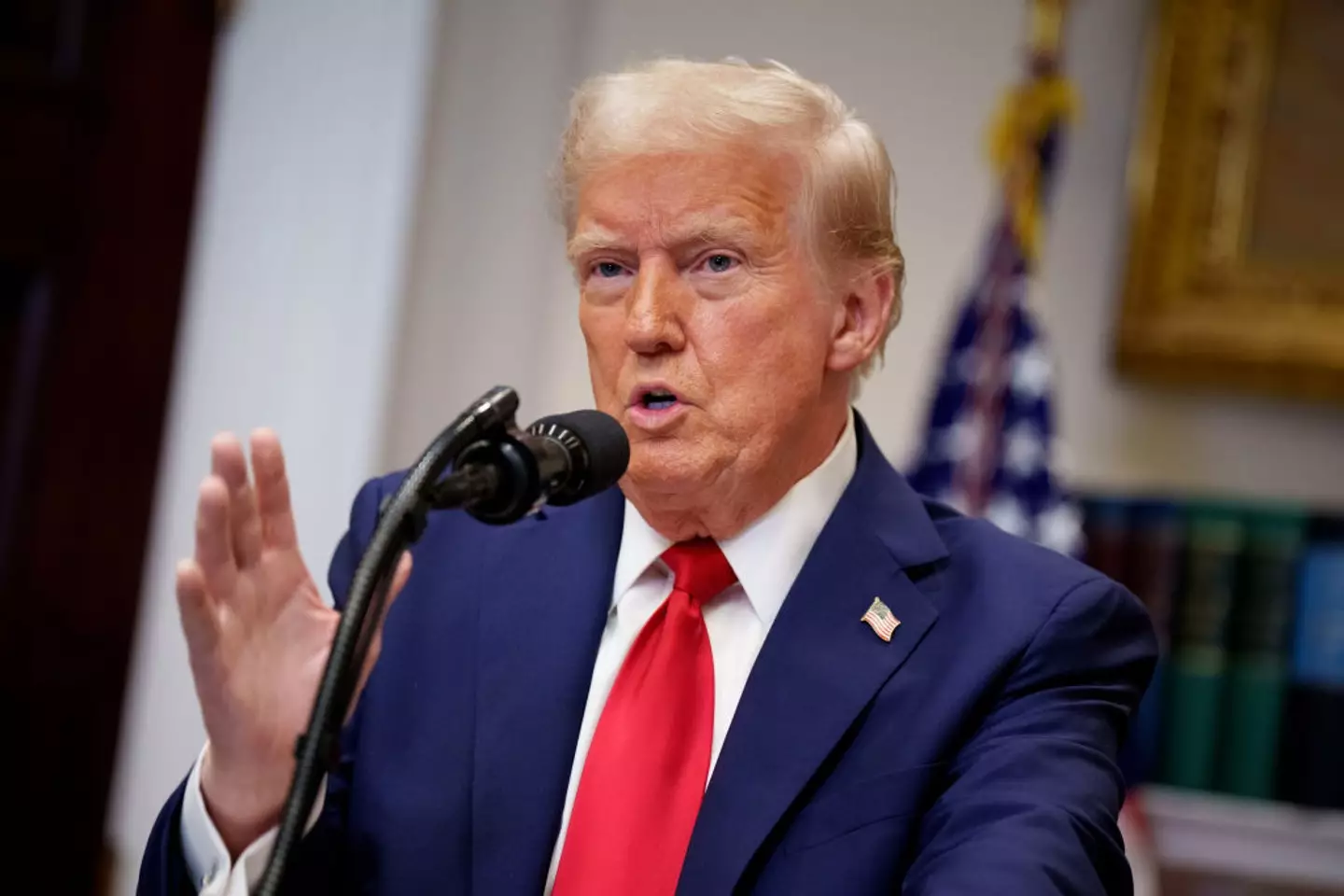
While criticism has been widespread, not everyone opposes the changes. Supporters argue that removing DEI requirements eliminates preferential treatment and ensures a truly merit-based system. Louisiana Senator John Kennedy defended the order, telling USA Today reporters, “The best way to stop discriminating against people on the basis of race or gender is to stop discriminating against people on the basis of race and gender.”
Kennedy further emphasized that many Americans do not prioritize race or gender as much as policymakers in Washington. “The truth is the American people don’t think about race or gender nearly as much as some folks in Washington want to pretend,” he said.
Proponents believe that the changes will foster a more equitable system by removing what they perceive as reverse discrimination. They argue that the order prevents employers from making decisions based solely on identity markers like race or gender, thereby promoting fairness in hiring practices.
The Potential Consequences
The revocation of Executive Order 11246 is likely to have far-reaching consequences for workers, employers, and the broader economy. Advocates warn that without federal oversight and DEI initiatives, systemic discrimination in hiring and promotion could resurface, particularly in industries historically dominated by certain demographics.
Moreover, critics argue that removing DEI programs sends a discouraging message to minorities and underrepresented groups who may feel less supported in the workplace. This could impact employee morale and create a less inclusive work environment.
On the other hand, supporters argue that the move could reduce bureaucracy and ensure that hiring decisions are based on qualifications and merit rather than quotas or identity-driven initiatives. They see the rollback as a way to streamline processes and promote true equality.
Looking Ahead
As the debate continues, the long-term effects of Trump’s decision remain to be seen. For now, the revocation of DEI programs has become a polarizing issue, dividing opinions across political and social lines. Critics see it as a rollback of progress, while supporters view it as a step toward fairness.
In the weeks and months ahead, the administration’s implementation of this executive order will be closely watched. Both supporters and opponents agree on one thing: the impact on workers and workplaces across the country will be significant. As the nation grapples with these changes, the broader conversation about equity, inclusion, and opportunity in the workplace is unlikely to fade anytime soon.

Related Posts
Полезные советы по работе с kraken marketplace
Практические рекомендации для безопасного и эффективного использования маркетплейса Kraken в даркнете.
Максимум возможностей кракен маркетплейс
Узнайте, как эффективно использовать кракен маркетплейс для безопасного и удобного доступа к ресурсам даркнета.
Надежное в 2026: kraken darknet и его возможности
Актуальный обзор маркетплейса Kraken: безопасность, функционал и особенности работы в даркнете.
Детальный разбор маркетплейса Кракен: особенности и безопасность
Полное руководство по работе с Kraken marketplace в 2026 году: от регистрации до безопасных сделок.
Пошаговое руководство по использованию кракен сайта
Подробная инструкция по безопасному доступу и работе с платформой Kraken в даркнете с актуальными рекомендациями на 2026 год.
Pinco Casino Oyun Taktikaları: Tam Bələdçi və Rulet Taktikleri
Ruletdə hər şeyini itirdiyini düşündüyün an, masa birdən sənin tərəfinə işləməyə başlayır. Qazandıqca ürəyin sürətlənir, itirdikcə məğlubiyyət qorxusu dərinləşir. Pinco Casino-da oyun heç vaxt təkcə şansdan ibarət…