Nature has its own way of handling “situations.” Unfortunately, people like playing gods, and they try to take control over natural processes. Let’s discuss mosquitoes.
Dragonflies do wonders when it comes to controlling mosquitoes and other insects.
Dragonflies are really important when it comes to controlling mosquito populations. They eat both mosquitoes and their larvae. So, it’s time to get those dragonflies near your home!
You will need trees, shrubs and other types of plants. Young dragonflies will need somewhere to hide. Dragonflies also like to prey on pollinators such as butterflies, beetles, wasps, moths and other tiny insects. In other words, you will have to plant blooming plants, too. Water plants that grow near and within ponds are also beneficial.
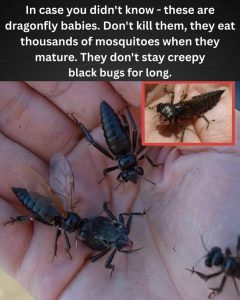
Dragonflies mate and lay their eggs in water, so you will have to consider building a pond in your backyard. There are other ways to attract dragonflies.
Use the following plants to increase the number of dragonflies in your backyard…
1. Black-eyed Susan (Rudbeckia hitra)
It attracts butterflies and pollinators. The wildflowers thrive for a couple of years in warm areas, and die off in winter. Black-eyed Susan adapts to every type of soil, and likes full sunlight and regular watering.
2. Swamp milkweed (Asclepias incarnata)
It’s a close relative to common milkweed. Swamp milkweed has white and pink flowers that grow back every year. The perennial plant attracts dragonfly prey and grows well in moist and sunny areas.
3. Joe-Pye Weed (Eupatorium purpureum)
It’s pale pink-purple flowers grow in mid-summer and fall. Joe-Pye Weed attracts prey, and can grow 3-12 feet high. The flowers release mild vanilla fragrance that gets more intense when crushed. The plant likes full/partial sunlight and grows in moist woods and meadows. Use dried roots and flowers to make diuretic tea.
4. Meadow sage (Salvia marcus)
It’s a perennial plant with gorgeous purple flowers. It likes full sun but also grows well in partial shade. Pick spots that offer morning sun and afternoon shade. Once fully grown, the plant doesn’t need too much water, and thrives well in drought. However, the lack of water may cause problems.
5. White yarrow (Achillea millefolium)
The perennial wildflower has big clusters with 20-25 flowers. It’s disease resistant and attracts butterflies and parasitic wasps. White yarrow likes full sun, dry to medium moisture and well-drained soil.
Building a pond in your backyard isn’t a bad idea after all. Dragonflies spend at least two months underwater, and return to waters over and over again. Ponds help dragonflies hunt, reproduce, perch and play.
You will also have to get some rocks and place them around the pond. Dragonfly larvae need rocks to hide and grow underwater. Place sticks around the pond to give dragonflies a place to land on.
6. Arrowhead (Sagittaria latifolia)
Arrowhead, also known as duck-potato, is an aquatic perennial that grows above water level. Adult dragonflies land on the plant or lay eggs. Use the tuber of the plant and push it into the underwater soil in spring. Weigh it down, and don’t worry about any submerged leaves. They will grow really fast.
7. Wild celery (Vallisneria americana)
It provides an excellent aquatic habitat for dragonflies. Wild celery grows to the water surface, and adult dragonflies deposit eggs on it. consider planting it in spots that get at least 18 inches of water all the time.
Put wild celery tubes in a cheesecloth filled with mud or stones, and put them at the base of your pond. Keep in mind that if you break the sprouts, the tubes won’t re-grow new ones.
8. Water horsetail (Equisetum fluviatile)
It has a submerged and floating part. Grow it from nursery plants and not seeds. Plant the rhizomes two inches below the soil at the edge of your pond. Once established, the plant can survive short period of dry weather. Water horsetail thrives in part shade or full sun.
9. Cattail (Typha latifolia)
Cattail is also known as bull rushes. It grows in moist soil in swampy areas. Avoid planting cattails in shady spots, and grow them from rhizomes. You can easily translocate the plant.
10. Water lily
Water lilies are the perfect spot for laying eggs. Grow them from tubers planted in pots right under the water’s surface. Add rocks to keep your water lilies submerged. The leaves and blossoms float on the surface of your pond.
The pesky insects invade areas in early spring. All they need is warm weather and water. Everyone hates mosquitoes, and everyone ignores the fact that chemical-packed repellents aren’t the only solution. Have you ever thought of the possibility to use plants that attract dragonflies to get rid of mosquitoes? That’s how nature works.
