A massive jellyfish has been reported to be washing up on the beaches of a well-known vacation destination, warning both locals and visitors.
If you’ve ever been stung by a jellyfish, you know it’s an agony you’ll never want to go through again. To be honest, I’ve only ever been stung once, when I was still a youngster, maybe 17 years ago, but it was really painful for me at the time.
That little jellyfish had tentacles that came with it when I tore my arm off, and while I was screaming in agony at the age of eleven, my dad tried to ease my pain by relieving himself on my hand, which ironically caused long-lasting harm.
Luckily, I declined this invitation and chose to accept the suffering instead.
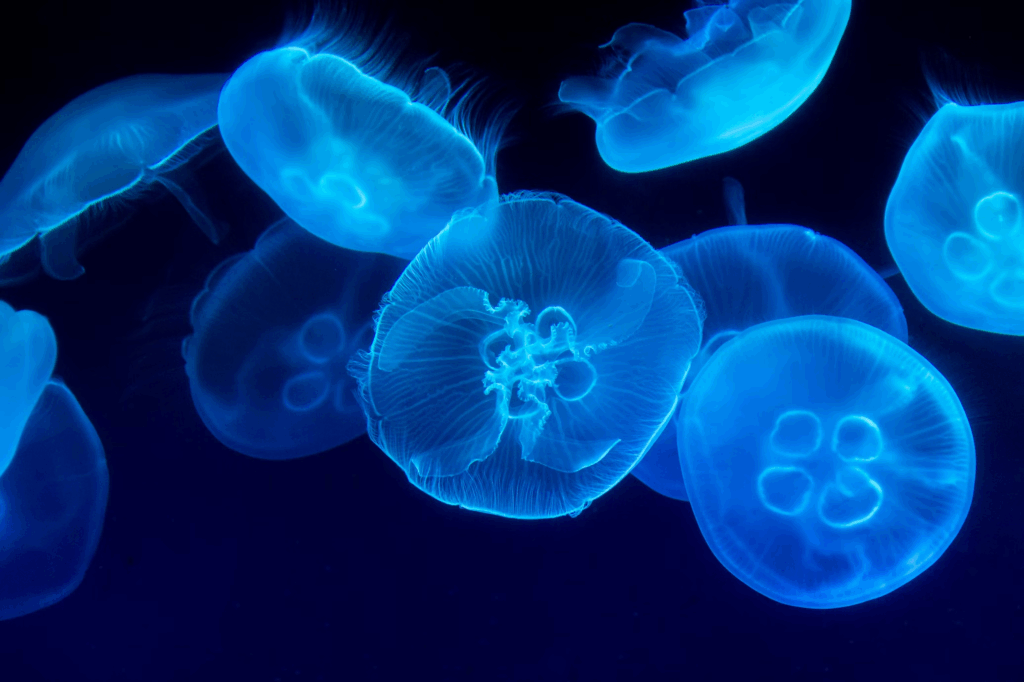
But I might have approved of my dad if it had been a lion’s mane jellyfish. This is because, to put things in perspective, they are four-fifths the size of the Statue of Liberty, but the Lady Liberty portion of the monument can reach lengths of up to 120 feet.
The jellyfish may grow up to 12 feet longer than blue whales, although having a smaller mass. This is obviously because of their incredibly long tentacles.
The big species that washed ashore on the shores of the City of South Portland in Maine has now been brought to the attention of the local authorities.
Taking to Facebook, it posted: “Spotted this weekend at Willard Beach: A nearly 5-foot wide lion’s mane jellyfish!”
“If you see one, here’s what to do: Don’t touch it! They sting; Observe it. They’re so interesting to watch, and pretty too; If you see one washed up at Willard Beach, notify a lifeguard and they will help it back into the water with a shovel.”
The species can “give a very nasty sting, so consult a doctor if swelling or weals are severe,” according to the Wildlife Trust.
After Nicholas Record, a senior research scientist at Bigelow Laboratory for Ocean Sciences in East Boothbay, started monitoring them in 2014, sightings have increased recently.
In a 2019 interview with weather.com, he described how lion’s mane jellyfish accounted for nearly all of the sightings reported in the region.
“In a typical year, the biggest ones that people would report are typically the size of a dinner plate, and this year, I’ve gotten several reports of some that are two feet and a couple that are five feet across,” the Record reported.
“They’re generally a sub-Arctic species and they’re not new to the Gulf of Maine by any means. But the size and just the fact that they’re all we’re seeing this year is what makes it unique.”
