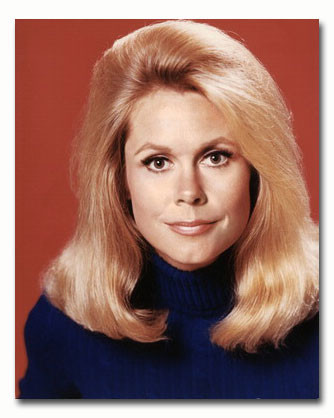
For generations of television viewers, the name Elizabeth Montgomery has remained inseparable from the image of Samantha Stephens, the intelligent, warm-hearted.
And quietly rebellious witch at the center of Bewitched. Although the series premiered in 1964, Montgomery’s performance continues to resonate decades later.
Standing as one of the most enduring portrayals in television history. Her appeal was never rooted in spectacle or visual novelty alone. Instead, it emerged from a rare combination of emotional intelligence, natural grace, and subtle strength—qualities that defined her work both on and off the screen.
Elizabeth Victoria Montgomery was born on April 15, 1933, in Los Angeles, California, into a family already deeply connected to the entertainment industry. Her father, Robert Montgomery, was a highly respected actor, director, and producer whose career spanned stage, film, and television.
He was particularly known for his work on Robert Montgomery Presents, a prestigious anthology series that showcased serious dramatic storytelling during the early years of television.
Growing up in this environment exposed Elizabeth to the discipline, expectations, and pressures of professional acting at a very young age.
While her father’s success opened doors, it also cast a long shadow. From early on, Montgomery understood that she would need to establish her own identity rather than rely on family connections.
Those who knew her during her formative years often described her as determined, thoughtful, and introspective. Acting was not simply an inherited profession for her; it was a personal calling that she pursued with discipline and purpose.
To prepare herself seriously for the craft, Montgomery studied at the American Academy of Dramatic Arts in New York City.
There, she received classical training that emphasized voice control, movement, emotional restraint, and character development. This foundation would later distinguish her television performances, giving them a theatrical depth and emotional precision that critics consistently praised.
Unlike many performers of the era who relied heavily on charisma alone, Montgomery approached acting as a technical and psychological discipline.
Her professional career began in the early 1950s, primarily through appearances on television anthology series—a dominant format at the time that allowed actors to explore a wide range of characters and narratives.
Montgomery appeared in programs such as Studio One, Kraft Television Theatre, Playhouse 90, and The Twilight Zone. These performances quickly earned her recognition as a serious dramatic actress with exceptional emotional control.
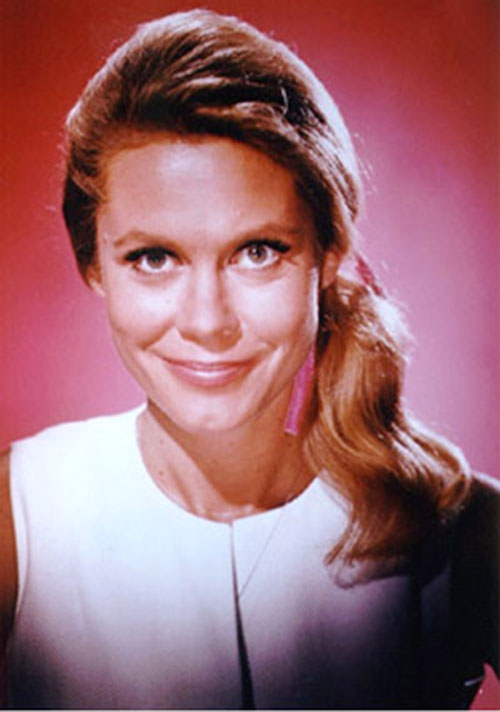
Rather than playing idealized or decorative roles, she often portrayed complex women facing moral conflict, emotional struggle, or psychological tension.
In 1953, Montgomery made her Broadway debut in Late Love, further solidifying her credibility as a stage performer. Although she appeared in several feature films during the 1950s—including The Court-Martial of Billy Mitchell (1955) and Johnny Cool (1963)—she increasingly gravitated toward television.
At the time, television offered more substantive roles for women, while Hollywood films often limited actresses to narrowly defined character types.
Montgomery recognized this early and made deliberate choices that prioritized creative depth over conventional stardom.
Her personal life during these years reflected periods of transition and self-discovery. Montgomery married four times over the course of her life, but none of those early relationships provided lasting stability.
It was later, in her relationship with actor Robert Foxworth, that she found enduring companionship and emotional balance.
Although they never married, their partnership became a meaningful and supportive presence in her life, particularly during her later career.
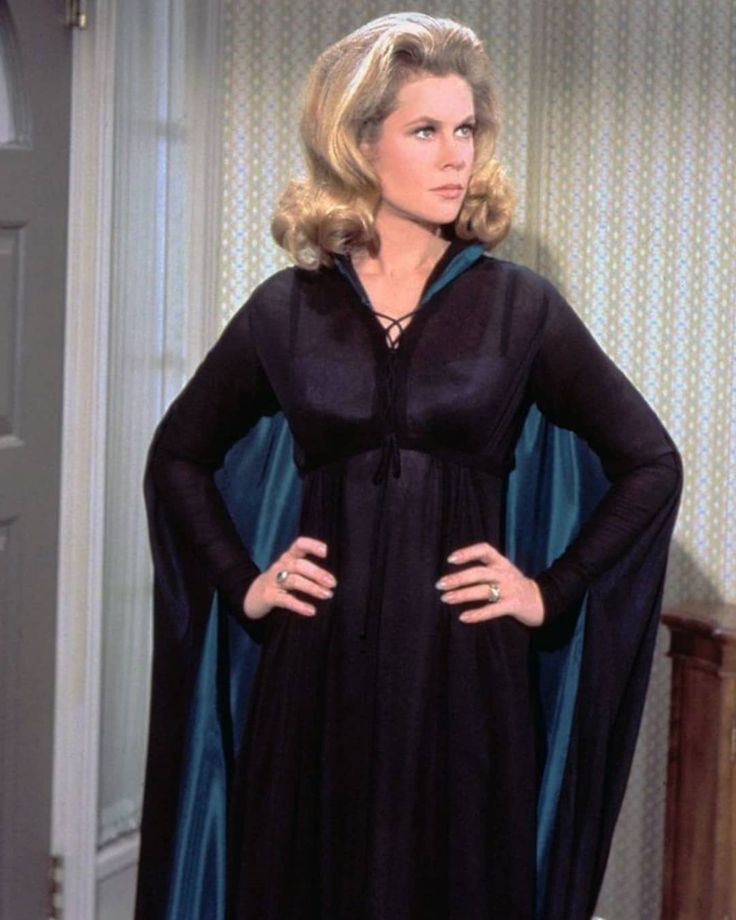
The defining turning point in Montgomery’s professional journey came in 1964, when she was cast as Samantha Stephens in Bewitched. Created by Sol Saks, the series revolved around a witch who marries a mortal man and chooses to live a suburban life, suppressing her supernatural powers in order to conform to societal expectations.
While the premise was lighthearted and fantastical, Montgomery approached the role with seriousness and emotional nuance.
Samantha Stephens was not portrayed as a caricature or novelty. Under Montgomery’s interpretation, she became intelligent, empathetic, and quietly assertive.
She often possessed greater emotional awareness and practical wisdom than the men around her, including her husband, Darrin.
Montgomery’s performance subtly challenged traditional gender norms without overt confrontation, making the character relatable and progressive for its time.
Bewitched ran for eight seasons, from 1964 to 1972, becoming one of the most successful sitcoms in television history. Montgomery’s performance earned multiple Emmy nominations and solidified her status as a household name. Yet the show’s cultural impact extended beyond ratings and awards.
Many viewers and scholars later interpreted Samantha Stephens as a symbolic figure—representing women navigating autonomy, self-restraint, and personal identity during a period of profound social change in American society.
Montgomery herself was aware of these interpretations and later acknowledged that the character resonated on a deeper level than simple fantasy.
Samantha’s constant negotiation between power and restraint mirrored the real-life experiences of many women during the 1960s, making the character enduringly relevant.
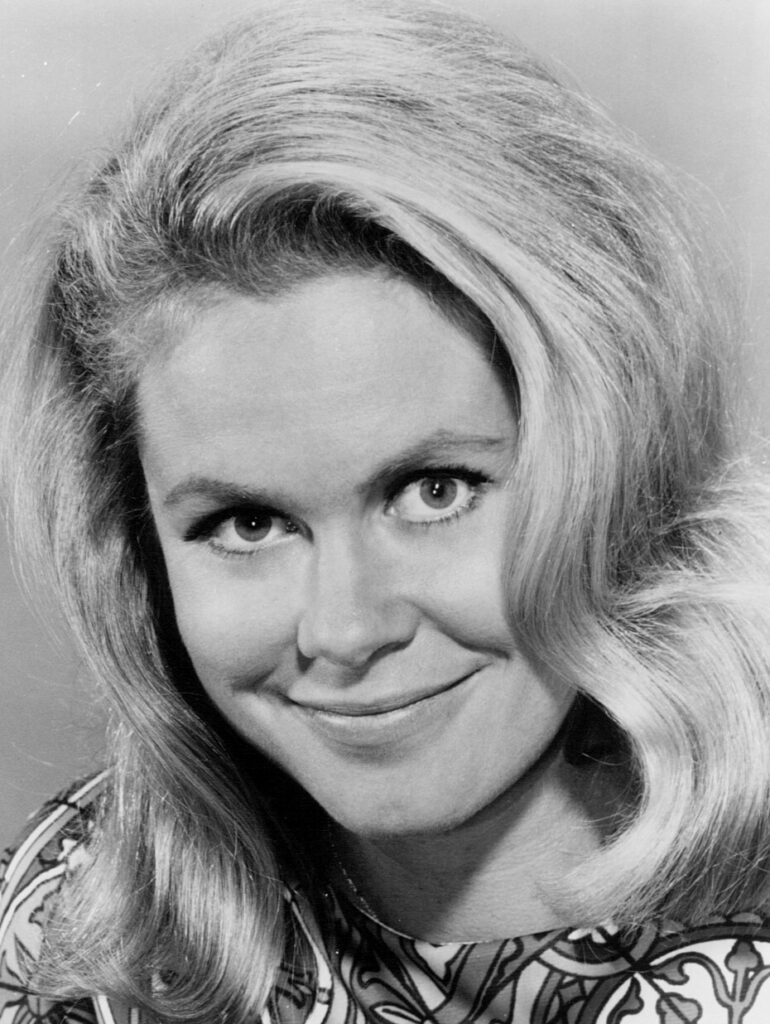
Despite the enormous success of Bewitched, Montgomery was careful not to allow the role to define the limits of her talent. Even during the series’ run, she continued to pursue dramatic roles that challenged her creatively
. She appeared in episodes of Alfred Hitchcock Presents and other high-profile television dramas, consistently demonstrating her range and refusing to be confined to light comedy alone.
As the series approached its conclusion in 1972, Montgomery faced a familiar crossroads experienced by many actors strongly associated with an iconic role. The question was not whether she could continue working, but how she would redefine herself artistically.
Rather than clinging to familiarity, she made a conscious decision to embrace transformation—a choice that would shape the most daring and critically respected phase of her career.
When Bewitched ended its run in 1972, Elizabeth Montgomery faced a challenge familiar to many actors closely associated with a single, iconic role.
For nearly a decade, she had been a symbol of charm, elegance, and fantasy for millions of viewers. Walking away from that image required not only professional confidence, but personal courage. Rather than seeking to replicate past success, Montgomery chose reinvention—one defined by seriousness, emotional risk, and social relevance.
The television landscape of the 1970s offered a unique opportunity through made-for-TV movies, which allowed actors to explore complex themes often avoided by mainstream cinema.
Montgomery recognized this shift and embraced it fully. Her post-Bewitched career became a deliberate departure from light comedy, focusing instead on characters shaped by trauma, injustice, and moral ambiguity.
One of her most significant post-series performances came in 1974 with A Case of Rape. In the film, Montgomery portrayed a woman who survives sexual assault and must endure the emotional toll of a legal system that subjects victims to skepticism and scrutiny.
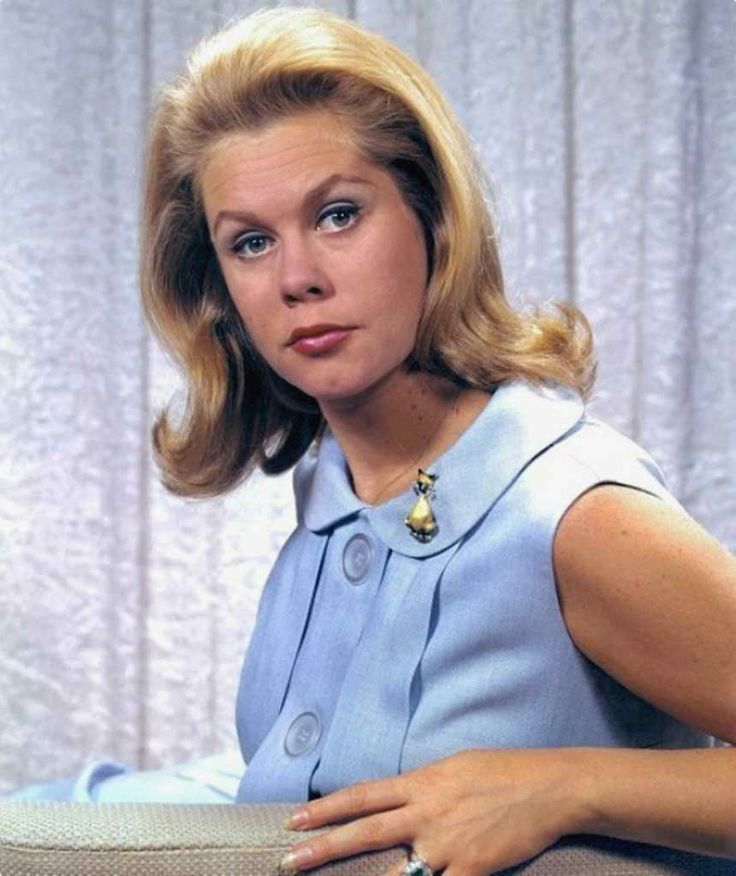
At a time when such topics were rarely addressed openly on television, her performance was widely praised for its restraint, sensitivity, and realism.
Rather than relying on dramatic excess, Montgomery conveyed pain through quiet resolve and emotional honesty. The role earned her an Emmy nomination and marked a defining moment in her artistic evolution.
In 1975, Montgomery delivered what many critics consider the most daring performance of her career in The Legend of Lizzie Borden. Portraying the infamous woman accused of murdering her parents, she resisted any simplistic interpretation of guilt or innocence.
Instead, Montgomery leaned into ambiguity, allowing silence, expression, and psychological tension to carry the narrative.
The performance was unsettling, nuanced, and unforgettable, solidifying her reputation as one of television’s most fearless actresses. Decades later, the film remains a benchmark for character-driven storytelling.
Throughout the late 1970s and 1980s, Montgomery continued to choose projects that explored social issues and emotional complexity.
She appeared in television films such as The Awakening Land, Amos, Black Widow Murders, and Face to Face. Many of these stories centered on women confronting loss, injustice, or personal transformation, reflecting Montgomery’s commitment to meaningful narratives rather than commercial safety.
Beyond her acting, Elizabeth Montgomery became increasingly engaged in social advocacy. She was a vocal supporter of civil rights, women’s rights, and LGBTQ+ equality at a time when many public figures avoided such positions.
In the 1980s and early 1990s, she was particularly active in raising awareness about HIV/AIDS, participating in fundraising efforts and public campaigns during a period marked by widespread stigma and misinformation. Her advocacy was sincere and consistent, grounded in empathy rather than publicity.
In her personal life, Montgomery found long-term companionship with actor Robert Foxworth, whom she met in the late 1970s.
Though they never married, their relationship endured for many years and provided emotional stability during both professional transitions and personal challenges.
Friends described Montgomery during this period as thoughtful, private, and deeply reflective—someone who valued meaningful relationships over public attention.
As she entered the 1990s, Montgomery continued working selectively, maintaining a lower public profile while remaining creatively engaged. Behind the scenes, however, she was facing a serious health battle.
In 1995, she was diagnosed with colon cancer, a disease that progressed rapidly. True to her character, she chose to keep her illness largely private, sharing the diagnosis only with close family and friends.
Elizabeth Montgomery passed away on May 18, 1995, at the age of 62, in her Beverly Hills home, surrounded by loved ones. Her death came as a shock to many fans, as she had remained a vivid presence in television history. Tributes poured in from across the entertainment industry, honoring not only her talent, but her integrity, intelligence, and compassion.
Her legacy, however, extends far beyond her passing. While Samantha Stephens remains one of television’s most beloved characters, Montgomery’s broader body of work tells a deeper story—one of artistic courage and constant reinvention. She consistently refused to be defined by expectation, choosing instead to challenge herself and her audience.
Today, Elizabeth Montgomery is remembered as an actress who bridged eras. She brought warmth and magic to early television comedy, then helped redefine the potential of made-for-TV drama.
Her performances continue to be studied, revisited, and appreciated by new generations of viewers who recognize her emotional authenticity and quiet strength.
In an industry often driven by image and repetition, Montgomery’s career stands as a testament to purpose and integrity.
She proved that lasting impact is not measured by constant visibility, but by the honesty and depth of one’s work. Decades after her passing, Elizabeth Montgomery remains a powerful presence in television history—a reminder that true talent, guided by conviction and courage, never fades.
