The morning of Harper’s seventh birthday started like something out of a storybook. Balloons bobbed against the ceiling of our living room, their ribbons curling toward the floor. Pink and silver streamers twisted across every doorway, and the cake I’d spent three hours decorating—a vanilla sponge with strawberry filling and handmade fondant flowers—sat pristine on the kitchen counter.
Harper had been up since dawn, her excitement radiating through every room of our house like sunshine breaking through clouds. She was seven. It was the age of missing teeth and pure belief.
“Mommy, do you think Aunt Paige will come?” she asked for the hundredth time, tugging at my sleeve while I arranged cups on the dining table.
“Of course, sweetheart,” I said, forcing brightness into my voice. “She wouldn’t miss your special day.”
The lie tasted bitter. My sister, Paige, had missed plenty of Harper’s milestones over the years, always with elaborate excuses that my mother defended and my father quietly excused. But Harper adored her aunt, and I couldn’t bring myself to crush that hope before the party even started.
Guests began arriving around two. Harper’s friends from school burst through the door with wrapped presents and high-pitched squeals. My best friend, Natalie, showed up with her twin boys, offering me a knowing look that said she remembered last year’s drama. My co-worker, Dennis, arrived with his daughter, and slowly our modest home filled with the chaos of children and the murmur of adult conversation.
My parents came at two-thirty. Mom swept in wearing a designer dress far too formal for a child’s birthday party, her perfume announcing her arrival before she cleared the doorway. Dad followed behind, shoulders slightly hunched in that way he’d adopted over the years, like he was perpetually bracing for impact.
“Where should we put this?” Mom asked, holding up a gift bag stuffed with tissue paper.
“The present table,” I said, gesturing toward the dining room where a small mountain of wrapped boxes had already accumulated.
“You really went overboard with decorations,” Mom said, her tone hovering somewhere between observation and criticism as she scanned the streamers. “Must have cost a fortune.”
“It’s her birthday,” I replied simply, refusing to take the bait. “I want it to be special.”
Dad kissed Harper’s forehead and slipped her a twenty-dollar bill, whispering something that made her giggle. He’d always had a soft spot for his granddaughter, even if he struggled to show it in front of Mom.
Paige arrived fashionably late at three-fifteen, just as we were about to start the activities. She breezed through the door wearing sunglasses indoors and carrying no gift, her phone clutched in one manicured hand.
“Sorry, sorry,” she announced to no one in particular. “Traffic was absolutely insane.”
Harper launched herself at Paige, wrapping small arms around her aunt’s waist. “Aunt Paige! You came!”
Paige patted her head absently, already scanning the room like she was searching for something more interesting than a seven-year-old’s adoration. “Hey, kiddo. Happy birthday.”
We moved through the afternoon according to schedule. Musical chairs devolved into friendly chaos; pin the tail on the donkey resulted in one crying child who recovered after a cupcake; and the scavenger hunt I’d organized had kids tearing through the backyard with infectious enthusiasm.
Harper glowed throughout it all, her joy so pure and uncomplicated that I felt my earlier anxiety begin to ease. Maybe this year would be different. Maybe Paige would behave herself for once.
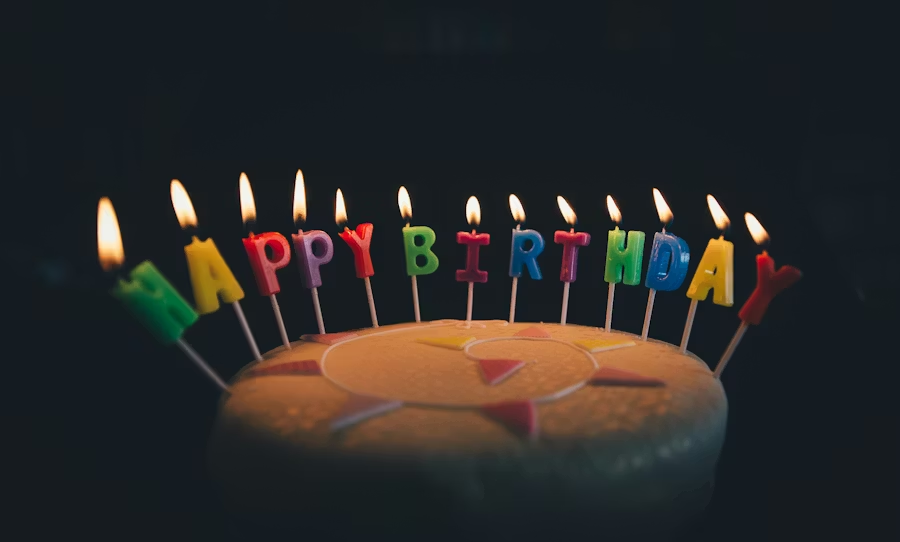
The Gift Opening
The gift opening happened at four-thirty, after we’d served cake and ice cream and the sugar high had everyone buzzing with energy. We gathered in the living room, presents piled high on the coffee table. Harper sat cross-legged on the floor, practically vibrating with anticipation.
“Can I start? Can I start?” she asked, bouncing slightly.
“Go ahead, honey,” I said, settling onto the couch with my camera ready.
She tore into the first present—a craft kit from her friend Emma. Then came a doll from Natalie’s boys, a board game from Dennis’s daughter, books from my parents. Each gift received genuine squeals of delight. Harper had that rare quality of being truly grateful for everything, never demanding or expecting more than what she received.
Paige stood near the back of the room, leaning against the wall with her phone in hand. She hadn’t looked up in fifteen minutes.
Harper was reaching for another present—a large box wrapped in sparkly blue paper—when Paige suddenly pushed off from the wall. She strode forward with purpose, her heels clicking against the hardwood floor. Before anyone could react, she grabbed the gift from Harper’s hands.
“Let me help you with these,” Paige said, her voice strange and tight.
She picked up another present. Then another. Her movements accelerated, becoming almost frantic as she gathered armfuls of wrapped boxes.
“Paige—” I started to stand. “What are you doing?”
She turned toward the wall. With shocking force, she hurled the first present against the plaster.
The sound of shattering glass and splintering wood cut through the party chatter like a knife. The room fell silent except for the tinkling of broken pieces hitting the floor.
Harper’s face crumpled, her mouth opening in a silent scream of shock.
But Paige wasn’t finished. She threw another gift. Then another. A book set exploded across the carpet. A jewelry box smashed into the doorframe. The craft kit Paige had just taken from Harper’s hands shattered against the fireplace mantle, sending beads and supplies scattering everywhere like confetti.
“What is wrong with you?” The words ripped from my throat as I lunged forward, trying to grab my sister’s arm.
Paige jerked away from me, and the sound that came from her mouth froze me in place—laughter.
Wild, unhinged laughter that didn’t match the destruction surrounding us or the tears streaming down Harper’s face.
My daughter’s sobs filled the awful silence between Paige’s gasping laughs. Harper’s friends had gone still, some crying themselves, others staring with wide, frightened eyes. Parents were already moving toward their children, ready to evacuate.
“Paige, stop it!” I shouted, grabbing her shoulders. “You’re scaring them!”
“Oh, come on. It’s just a joke,” my uncle Gerald called out from the corner, grinning nervously like we were all overreacting to some harmless prank. “Lighten up.”
“She’s always been too sensitive about everything,” Mom added, moving toward Paige instead of Harper. She placed a hand on Paige’s back. “Honey, these things can be replaced. There’s no need to make such a scene.”
The rage that flooded through me was unlike anything I’d experienced. My daughter sat on the floor surrounded by broken toys and shattered boxes, her birthday ruined, and my mother was worried about making a scene.
“Are you serious right now?” I snapped, my voice trembling. “Look at her. Look at what she did.”
But Mom wasn’t looking at Harper. None of them were. My aunt Patricia was nodding along with Mom’s assessment. My uncle Gerald had his arm around Paige like she was the victim here.
“It was just a bit of fun,” Paige giggled, though her eyes looked manic. “Don’t be such a drama queen.”
The Ring on the Table
Something shifted in the air—a presence that made everyone turn.
Dad stood from his seat at the dining table. He had been silent throughout the party, watching, observing. His movements were slow and deliberate as he reached for his left hand.
The gold wedding band he’d worn for thirty-eight years caught the light as he twisted it off his finger.
The metallic clang of the ring hitting the wooden table echoed like a gunshot.
Nobody breathed. Mom’s face went pale. Paige’s laughter cut off mid-gasp.
“Raymond?” Mom’s voice came out small and uncertain.
Dad’s eyes swept across the room, landing on each family member in turn before settling on Mom. When he spoke, his voice carried a weight I’d never heard before, each word dropping like a stone into still water.
“I’m done,” he said quietly. “Done pretending. Done excusing the inexcusable. Done watching my daughter and granddaughter suffer while everyone makes excuses for the person who’s been poisoning this family for years.”
Paige’s face went from flushed to white in seconds. “Dad, I was just—”
“You were just destroying your niece’s birthday because you can’t stand seeing anyone else happy,” Dad interrupted. I’d never heard him speak to Paige that way. Never heard him speak to anyone that way. “Just like you destroyed your sister’s wedding shower. Just like you’ve sabotaged every important moment in her life since you were teenagers.”
My mind reeled. “What are you talking about?”
Dad turned to me, and the sadness in his eyes made my chest tighten. “Your scholarship to the design program at UCLA—the one you didn’t get?”
“I wasn’t accepted,” I said slowly, confused about why he was bringing this up now. “I got the rejection letter.”
“You were accepted,” Dad said. “I found the acceptance letter in Paige’s room three months after you’d enrolled in community college. She intercepted the mail and hid it. She forged the rejection letter. By the time I found it, it was too late to claim your spot.”
The room seemed to tilt. My entire life I’d believed I hadn’t been good enough for UCLA’s prestigious design program. I’d convinced myself I wasn’t talented enough, wasn’t smart enough. I’d spent years watching my dreams shrink to fit the smaller life I thought I deserved.
“That’s not true,” Mom said quickly, stepping between them. “Raymond, why would you—”
“It is true,” Dad cut her off, his voice rising. “Just like it’s true that Paige told your high school boyfriend you were cheating on him, which is why he broke up with you before prom. Just like she’s the one who spread rumors about you at church that made people treat you differently. Just like she stole your grandmother’s necklace and let everyone think you’d lost it.”
Each revelation hit like a physical blow. Memories I’d buried or rationalized snapped into sharp focus: the way Paige had comforted me after Jake dumped me, all while knowing she’d caused it; the sympathetic looks at church I’d never understood; the disappointment in Grandma Jean’s eyes when she thought I’d been careless with her heirloom.
“Why?” The word came out barely audible. I turned to Paige, needing to see her face. “Why would you do this?”
Paige’s expression cycled through emotions too quickly to track—shock, fear, anger—and finally settled into something calculating and cold. “You don’t understand,” she said. “You’ve never understood.”
“Then explain it to me,” I demanded, my voice rising. “Explain why you’ve spent our entire lives trying to ruin mine.”
“Because everything was always so easy for you,” Paige exploded, stepping forward. “You were Dad’s favorite. Everyone’s favorite. Perfect grades, perfect friends, perfect life. Do you know what it’s like living in your shadow?”
“Easy?” I stared at her in disbelief. “You think my life has been easy? I worked two jobs to put myself through college after I didn’t get into UCLA. I’ve struggled and scraped and fought for everything I have, while you coasted on Mom and Dad’s money. While you lived rent-free in their basement until you were twenty-six.”
“Girls, please,” Mom interjected, wringing her hands. “Not here. Not now.”
“No, Claudia,” Dad said, holding up his hand. “Let them talk. Let everyone hear it.”
Paige’s hands clenched into fists at her sides. Dad turned toward her. “I loved you both equally,” he said firmly. “But I couldn’t reward bad behavior, Paige. Every time you hurt your sister, every time you lied or manipulated, you pushed me away. That wasn’t about her. That was about your choices.”
“You knew?” I turned to Dad, feeling betrayed all over again. “You knew she was doing these things, and you didn’t tell me?”
Dad’s shoulders sagged. “I didn’t know the extent of it until recently. Little things over the years, yes. I tried to handle them quietly, tried to protect you both. I thought if I gave Paige enough love, enough support, she’d grow out of it. I thought confronting her would make things worse. I was wrong. I was a coward, and I let my need to keep the peace destroy your chances at the life you deserved.”
“Raymond, that’s enough,” Mom’s voice cracked like a whip. “You’re turning this family against each other over birthday presents. It was a momentary lapse in judgment. Paige has been under a lot of stress lately.”
“Stop making excuses for her,” Dad shouted, his voice booming in the small room. Everyone jumped. “Do you hear yourself? Your granddaughter is crying—traumatized—surrounded by the wreckage of her birthday. And you’re worried about Paige’s stress?”
Mom’s mouth opened and closed soundlessly.
“You’ve enabled this for years,” Dad continued, his voice dropping but losing none of its intensity. “Every time Paige hurt someone, you smoothed it over, made excuses, blamed the victim for being too sensitive. You taught her that actions don’t have consequences—that she could do whatever she wanted as long as she had you running interference.”

“I protected my daughter,” Mom said defensively.
“You protected one daughter at the expense of the other,” Dad corrected. “And today, I watched you do it again, and I’m done. I’m done being complicit. I’m done choosing your comfort over what’s right.”
He turned back to Paige. “You need professional help. Real help, not more excuses and enablement. But that’s up to you. What’s not up for debate anymore is your access to this family until you get that help and make genuine amends.”
“You can’t be serious,” Paige sputtered. “Mom, are you going to let him—”
“What I’m going to do,” Dad said, picking up his ring from the table and sliding it into his pocket, not back onto his finger. “Is protect my granddaughter from someone who just traumatized her.” The gesture felt symbolic somehow, like he was reclaiming his own agency. “You’re not welcome here anymore, Paige. Not at family gatherings, not at holidays. Not until you’ve done serious work on yourself and proven—through actions, not words—that you’ve changed.”
He walked over to where Harper still sat on the floor, crouched down despite his bad knees, and pulled her into a gentle hug. “I’m so sorry, sweetheart. This should never have happened. Your birthday should have been perfect, and it wasn’t—and that’s not your fault. It’s never been your fault.”
Dad looked up at me over her head. “I’m sorry I didn’t do this sooner. Sorry I didn’t protect you the way I should have. I’ll spend however long it takes making it up to you both, if you let me.”
The sincerity in his voice cracked something open inside me. Tears I’d been holding back spilled over. He rose slowly, then turned to the room.
“I apologize that you had to witness this,” he told the remaining guests, most of whom were still frozen in shock. “Thank you for coming to celebrate Harper. I hope you’ll remember her as the sweet, joyful child she is—not the ugliness that happened today.”
He walked to the door, paused with his hand on the knob, and looked back at Mom. “Are you coming?” The question hung in the air, weighted with implications that reached far beyond this single moment.
Mom’s face cycled through emotions—confusion, anger, fear—and finally settled into something like resignation. She looked at Paige, who was sobbing theatrically into her hands.
“I need to check on Paige,” she said at last.
Dad nodded slowly, like this was the answer he’d expected but hoped wouldn’t come. “I’ll be at the Marriott on Fifth Street,” he said. “You know where to find me when you’re ready to have an honest conversation about our family and our marriage.”
He left. Actually left. The door closed behind him with a soft click that sounded deafening in the silence. Mom stood frozen for a long beat before turning to Paige. “Come on, honey. Let’s go home.”
They left without another word. Uncle Gerald and Aunt Patricia scurried out after them, shooting me uncomfortable looks but saying nothing.
Slowly the remaining guests began to move. Natalie came straight to my side, wrapping an arm around my shoulders.
“Oh, sweetie,” she said. “I’m so sorry.”
“I don’t understand what just happened,” I whispered.
“Your dad just chose you,” she said simply. “Maybe for the first time, he chose you.”
The Cleanup and The Questions
Dennis and his daughter approached hesitantly. “Is there anything we can do? Help clean up?”
Looking around at the destroyed presents, the shattered remains of what should have been a perfect day, I felt a wave of overwhelm. The room looked like a bomb had gone off.
But Harper’s friends were starting to approach her again, their parents quietly reassuring them that everything was okay. A little girl named Sophie held out her stuffed unicorn for Harper to hold, her small face earnest and kind.
“Actually,” I said, making a decision, “could you help me move all the intact presents to the backyard? I think we could use some fresh air and maybe salvage the rest of the party.”
“Absolutely,” Dennis said.
Over the next twenty minutes, the adults who stayed worked together to clear away the broken items and move the celebration outside. Someone cranked up music on a portable speaker. The kids, resilient in the way only children can be, drifted back into their games. Harper’s smile started to creep back, cautious but genuine.
Natalie found me in the kitchen, where I was refilling cups with lemonade. My hands were trembling as I poured.
“You okay?” she asked, leaning against the counter.
“I have no idea,” I admitted. “My entire understanding of my life just got rewritten in fifteen minutes. Did he really say she intercepted my acceptance letter?”
“He did.”
I leaned my head back, closing my eyes. “I spent years thinking I wasn’t good enough. I gave up on design because I thought… I thought the rejection meant I didn’t have the talent.”
“You were always talented,” Natalie said fiercely. “She stole that from you. But she can’t steal your future.”
“What are you going to do?” she asked.
“About what? Paige? My parents? The fact that I could have gone to UCLA and had a completely different life? Any of it? All of it?” I poured another cup slowly, buying myself time to think. “I’m going to call Dad tomorrow. Have a real conversation about everything. I’m going to look into whether UCLA’s design program has any continuing education or graduate programs for people who missed their chance the first time. And I’m going to make absolutely sure Harper knows that what happened today was not normal, not acceptable, and not something she should ever tolerate from anyone.”
“That’s a good start,” Natalie said.
“As for Paige and Mom—” I set down the pitcher harder than I intended. “I’m done. Dad was right. I’ve spent my whole life making excuses for people who hurt me, trying to keep the peace, convincing myself I was being too sensitive. But I wasn’t too sensitive. I was being hurt, and nobody protected me.”
“Except your dad did today,” Natalie pointed out gently. “Better late than never.”
I thought about that—about Dad standing up and taking off his ring, about him finally saying everything I’d needed someone to say for twenty years, about him choosing the hard, right thing over the easy, wrong one.
“Yeah,” I said softly. “Better late than never.”
The party continued until sunset. Harper ended up having a good time despite everything—probably better than if the drama hadn’t happened and she’d just been competing with Paige’s phone for attention all afternoon. Her friends rallied around her, and by the end of the night, the earlier trauma had been cushioned by ice cream, music, and the uncomplicated loyalty of seven-year-olds.
After everyone left and Harper was tucked into bed—exhausted and still clutching Sophie’s borrowed unicorn—I stood in the living room, surrounded by the remaining mess. Broken toys I’d need to throw away. Dented boxes. Torn wrapping paper scattered like confetti.
My phone buzzed. A text from Dad: I meant what I said about all of it. Can we have breakfast tomorrow? Just us. I have some things to give you.
I typed back: What things?
His reply came quickly: Documentation. Everything I found over the years—letters, emails, evidence of what Paige did. You deserve to know the full truth, and I need to explain why I didn’t act sooner. Why I failed you.
My hands trembled as I read his words. Part of me wanted that information desperately; part of me was terrified of what else I might learn.
Okay, I typed. Nine a.m. at Miller’s Diner. I’ll be there.
Another text came through, this time from an unknown number: This is your mom. I know you’re angry, but Paige is family. We can’t just abandon her. She needs us now more than ever.
I stared at the message for a long time, feeling a familiar tug of guilt and obligation. The old version of me would have given in—made peace for the sake of family unity, swallowed my hurt, because that’s what you did. But I thought about Dad slamming his ring down. Thought about Harper’s tears. Thought about the life I might have had if someone had protected me sooner.
I deleted Mom’s text without responding.
The Files on the Table
The next morning arrived too quickly. I dropped Harper at Natalie’s house, grateful she’d offered to watch her during my breakfast with Dad. Harper went willingly, still processing yesterday but calm enough to giggle when Natalie made funny faces.
Dad was already at Miller’s when I arrived, sitting in a back booth with a thick manila folder in front of him. He looked older, or maybe I was just seeing him clearly for the first time. The man before me seemed tired and sad, but somehow lighter than the person who’d walked into Harper’s party yesterday. The weight of the secret was gone.
“Coffee?” he offered as I slid into the booth.
“Please.”
We sat in awkward silence while the waitress poured and took our orders. After she left, Dad pushed the folder toward me.
“Everything I’ve collected over the years,” he said. “I didn’t understand the full pattern until recently, when I started putting the pieces together. After what happened at Harper’s party, I spent last night going through old files and memories, writing down everything I could remember. It’s all in there.”
I opened the folder with shaking hands. The smell of old paper wafted up.
The first document was a UCLA acceptance letter dated twelve years ago. My name was printed clearly at the top. Congratulations…
I touched the paper. I remembered that summer. I remembered checking the mailbox every day, the crushing disappointment when nothing came. I remembered Paige hugging me when I cried, telling me that community college was “more my speed anyway.”
She had known. She had held me while I cried over a wound she inflicted.
Underneath the letter were printed emails. Conversations between Paige and my high school friends—people who had inexplicably stopped talking to me senior year.
From: Paige To: Jessica Subject: You should know…
I hate to be the one to tell you this, but my sister has been saying some really nasty things about you behind your back…
I flipped the page. A receipt from a pawn shop. Grandma Jean’s necklace. $150.
“How did you get these?” I asked, my voice hollow.
“Some I found going through Paige’s things over the years when your mother asked me to help her move apartments or clean out storage units,” he said. “Some I recovered from old computers when we upgraded. Some were sent to me by people who felt guilty about their part and wanted to come clean.”
“Why didn’t you show me this before?” I asked, proud my voice didn’t shake.
Dad’s eyes were wet. “Cowardice. Pure cowardice. I told myself I was protecting the family, keeping the peace. I convinced myself that confronting Paige would make things worse. I thought if I quietly fixed things behind the scenes, guided you toward other opportunities, helped where I could without creating conflict, that would be enough. I was wrong. I failed you as a father, and I’m sorrier than I can say.”
He reached across the table, but didn’t touch me. He let his hand rest near mine.
“What changed?” I asked. “Why yesterday?”
He was quiet for a moment, gathering his thoughts. “Watching Harper’s face. Seeing the same confusion and hurt I’d seen in your eyes so many times. Hearing your mother make the same excuses she’d made for decades. And suddenly, I saw the whole pattern laid out. I saw where it would lead. Harper would grow up watching her mother being hurt and learning that family means accepting abuse. Maybe she’d end up like you, smaller than she should be. Or maybe she’d end up like Paige, learning that cruelty without consequences is acceptable.” He stopped, took a breath, and added softly, “I couldn’t let that happen to another generation.”
We picked at our breakfasts, the food tasteless but the coffee strong and steady. Eventually I closed the folder.
“I’m going to need time to process all of this,” I told him. “Time to figure out what I want my relationship with you to look like going forward. Yesterday doesn’t erase years of hurt, but it’s a start.”
“I understand,” Dad said. “Take whatever time you need. I’ll be here—however peripherally you need me to be—doing whatever it takes to earn back your trust. No expectations.”
“One more thing,” he added, pulling out his wallet and laying cash on the table for the bill. “I set up a college fund for Harper years ago, but I’ve decided to expand it. There’s also an account in your name now—enough to cover graduate school if you decide to pursue that design degree you should have gotten twelve years ago. It’s not UCLA, but it’s a start on giving you back what was stolen.”
The tears I’d been holding back finally spilled over. “Dad—”
“I know,” he said quickly. “It doesn’t fix anything. Money never does. I can’t give you back those years. I can only try to make the future different.”
We left the diner together, then parted ways in the parking lot. He hugged me before he went, and I let him, feeling the complicated tangle of love and hurt and hope that came with choosing to move forward instead of staying trapped in the past.
The Ambush
Three days later, the reality of the separation set in. Mom couldn’t handle the silence.
I was at work, designing a layout for a client, when I heard a commotion in the lobby.
“I need to see my daughter! You can’t stop me!”
It was Mom.
I walked out to the reception area. She looked frantic. Her hair was unkempt, her makeup smudged. She spotted me and rushed forward.
“He left me!” she wailed, grabbing my arm. “Your father really left me! He filed for divorce this morning!”
My coworkers were staring. Dennis stepped forward, ready to intervene, but I waved him off.
“Mom, not here,” I hissed.
“You have to talk to him!” she pleaded. “Tell him to come home. Tell him Paige didn’t mean it. She’s sick, honey. She’s so upset. She’s been crying for days.”
“Mom, let go.”
“You’re tearing this family apart!” she screamed. “You and your jealousy! If you hadn’t made such a big deal about the presents—”
I pulled my arm away. The old me would have shriveled. The old me would have apologized for causing a scene.
But the new me had seen the UCLA letter.
“I didn’t tear anything apart,” I said, my voice steady and loud enough for the office to hear. “You did. When you let Paige steal my future. When you let her abuse me for years.”
Mom froze. “You… you know about the letter?”
“Dad gave me everything,” I said. “The emails. The receipts. I know it all.”
Her face crumbled. “I… I just wanted her to feel special. You were always so capable. You didn’t need as much help.”
“I didn’t need help because I learned I couldn’t count on you,” I said. “Please leave. If you don’t, I will call security.”
She looked at me like I was a stranger. Then she turned and walked out, shoulders slumped.
That was the moment I realized the dynamic had truly shifted. I wasn’t the daughter seeking approval anymore. I was the woman setting the terms.
The Portfolio
Three weeks later, I sat in a therapist’s office for my first appointment. Dad had been right about needing professional help to process everything.
“Tell me what brings you here,” Dr. Hammond said, her voice gentle and steady.
“My sister destroyed my daughter’s birthday party,” I began. “But that’s not really the story. The story goes back twenty-five years, and I’m only now starting to understand it.”
I spent the next fifty minutes unraveling the threads of my life, seeing patterns I’d never recognized before: how I’d learned to make myself small to avoid conflict; how I’d internalized the message that my feelings didn’t matter as much as family peace; how I’d built a life on the foundation of lowered expectations because I believed I wasn’t worthy of the bigger dreams I’d once had.
“What do you want going forward?” Dr. Hammond asked near the end of our session.
“I want to stop playing small,” I said. “I want Harper to see her mother stand up for herself, set boundaries, pursue dreams even when they’re scary. I want to be the person I would have been if I’d gotten on that plane to UCLA twelve years ago.”
“That person is still you,” Dr. Hammond said. “You’re just taking a different path to the same destination. It’s not too late.”
That night, after Harper was asleep, I pulled out my laptop and started researching design programs. I dragged my old portfolio out of the closet. The sketches were dusty, but the talent was there.
It was hard. I felt like an imposter. Who am I to try this now? I thought. I’m a mom. I’m old.
But then I looked at the photo of Harper on my desk. I couldn’t tell her to chase her dreams if I was giving up on mine.
I spent the next six months building a new portfolio. I worked late into the night after Harper went to bed. I took online workshops. Natalie came over on weekends to watch Harper so I could focus.
“This is good,” Natalie said, looking at a layout I’d done. “Like, really good.”
“You think?”
“I know. Submit it.”
The Shift
Six months later, I got another letter forwarded from Dad. The return address was Paige’s. I almost tossed it unopened, but curiosity won.
The letter was handwritten, five pages long. Paige detailed her therapy journey—the things she was learning about herself, the roots of her behavior in her own insecurities and untreated mental health issues. She apologized extensively, acknowledged the harm she’d caused, and listed specific instances where she’d hurt me without once making an excuse or asking for forgiveness.
“I know I have no right to expect anything from you,” she wrote near the end. “Not your forgiveness, not a relationship, not even a response to this letter. You owe me nothing. I just needed you to know that I see now what I couldn’t see before. I understand the damage I caused, and I’m working to become someone who would never cause that damage again. Not because I think it will fix things between us, but because it’s the right thing to do.”
I read the letter three times. In the end, I decided to write back one brief paragraph:
I received your letter. I appreciate you acknowledging what happened. I’m not ready for more contact than this, and I can’t predict if or when I will be. I hope you continue getting help and becoming healthier for your own sake. But my focus right now is on my life, my daughter, and my future. Take care of yourself.
I mailed it and felt nothing in particular. No triumph. No absolution. Just the sensation of closing a door gently, not slamming it.
Dad and I had dinner every Sunday now, just the two of us after Harper went to bed. We talked about everything and nothing, slowly building a new relationship on top of the damaged old one.
“My father played favorites, too,” he said one evening. “I spent my whole life competing for his attention. I swore I wouldn’t do that with my own kids, but I think I overcorrected. I tried so hard to love you both equally that I ended up enabling bad behavior to avoid seeming biased.”
“Equality doesn’t mean treating everyone the same regardless of their actions,” I said. “It means giving everyone what they need to thrive. Paige needed accountability. I needed protection. Those aren’t the same thing.”
“I see that now,” Dad said quietly.
Mom and I had coffee three times over those months. Brief, careful conversations. I could see her trying, see her biting back defensive comments. It was something—not forgiveness, not reconciliation—but something.
“I want to be part of Harper’s life,” she said during our third coffee date. “And yours, if you’ll let me.”
“It has to be on my terms,” I said. “I’m not there yet. Maybe someday. But I can’t say when.”
She nodded, eyes wet but accepting. “Okay. I can wait.”
The Acceptance
It was a Tuesday in April when the email came.
Subject: Admission Decision – Master of Design Program
My hands shook as I clicked it open.
Dear Applicant, It is our distinct pleasure to offer you admission…
I screamed. I screamed so loud Harper ran into the room thinking there was a spider.
“I got in!” I yelled, picking her up and spinning her around. “Mommy’s going to grad school!”
I called Dad immediately.
“I got in,” I choked out.
I heard him inhale sharply. “You did?”
“I start in the fall.”
“I knew it,” he said, his voice thick with emotion. “I never doubted it for a second. I’m so proud of you.”
Harper’s Eighth Birthday
Harper’s eighth birthday approached, and I felt the familiar anxiety creeping in. But this year, I made different choices: a smaller party, just Harper’s closest friends; no extended family; clear boundaries.
The party went perfectly. No drama, no broken gifts—just children playing and laughing and eating too much cake. Harper blew out her candles and made a wish, and watching her face in the candlelight, I made a wish too: that she would grow up knowing she deserved to be protected, that her feelings mattered, that love without accountability isn’t love at all.
Dad stopped by after the guests left, bearing a present he wanted to give Harper privately—a delicate locket with his picture and mine inside, “You are loved. You are valued. You are enough” engraved on the back.
“Best birthday ever, Grandpa,” she declared.
That night, after cleanup and bedtime stories, I sat at my desk with my laptop open, a design project due for my pre-term coursework. My eyes were tired, but I was happy—genuinely, uncomplicatedly happy—in a way I hadn’t been in years.
I thought about Paige’s letter in my desk drawer, about Mom’s careful attempts at change, about Dad’s ring slamming down on the table. I thought about the woman I’d been at Harper’s seventh birthday party, still trapped in patterns I didn’t recognize, and the woman I was becoming.
The journey wasn’t over. Maybe it never would be. There would be setbacks and hard days.
But I was walking through my own door now, building my own path, teaching my daughter by example what it means to choose yourself without apology.
My phone buzzed. A text from Natalie: How was the party?
“Perfect,” I typed back. “Absolutely perfect.”
And for the first time in a long time, I meant it.
Let us know what you think about this story on the Facebook video! If you like this story share it with friends and family.
