The art of making scrambled eggs seems straightforward, but anyone who has spent time
in the kitchen knows it’s a dish that can spark endless debate. One question that
divides families and even professional chefs: should you add milk to scrambled eggs?
My mother-in-law swears by it, insisting that milk makes the eggs creamier
and more delicious. On the other hand, I think milk ruins the taste and texture of the eggs. So, who’s right?
The Case for Adding Milk to Scrambled Eggs
For some cooks, milk is a must when making scrambled eggs. They claim that milk transforms a basic breakfast dish into something creamier, fluffier, and more satisfying. Let’s look at why proponents of this method stand by it.
1. Creamier Texture
One of the primary reasons people add milk to their scrambled eggs is to achieve a creamier texture. Milk introduces extra moisture into the eggs, which can result in softer, silkier curds. This is especially appealing if you’re someone who enjoys a light, airy scramble that practically melts in your mouth.
2. Balanced Flavor
Milk can also tone down the richness of the eggs. Eggs have a naturally rich and slightly fatty taste, and for some, this can be overpowering. Milk adds a mild, neutral flavor that balances out the richness, creating a more rounded taste. Some people even detect a slight sweetness in the eggs when milk is added, especially if they’re using full-fat or cream-based dairy products.
3. Stretching the Serving
Adding milk is a clever trick to increase the volume of your eggs, making it seem like you’re serving more without cracking extra eggs. This is particularly useful when cooking for a large group, as it stretches the dish while maintaining its fluffy texture.
The Case Against Adding Milk to Scrambled Eggs
On the flip side, purists argue that milk does more harm than good when it comes to scrambled eggs. They believe the addition of milk compromises both flavor and texture, making the dish less enjoyable.
1. Diluted Egg Flavor
Eggs have a unique, savory taste that many people love. However, when you add milk, some feel that it dilutes this natural flavor. Rather than enhancing the eggs, milk can overshadow them, leaving you with a blander dish. If you’re someone who enjoys the pure, unadulterated taste of eggs, you might find that adding milk diminishes the flavor you’re after.
2. Texture Problems
While milk can add creaminess when done right, it can also lead to texture issues. If the eggs are overcooked even slightly, the extra liquid from the milk can result in a rubbery consistency. Instead of soft, velvety curds, you could end up with dry, tough eggs. The added liquid also makes it harder to control the cooking process, leading to unevenly cooked eggs with some parts runnier than others.
3. Unnecessary Ingredient
Some cooks believe that high-quality eggs are rich enough in flavor and texture on their own, and adding milk is unnecessary. These egg purists argue that the best scrambled eggs need only eggs, salt, and butter to reach their full potential. The simplicity of using fewer ingredients allows the natural taste of the eggs to shine through.
Alternatives to Milk in Scrambled Eggs
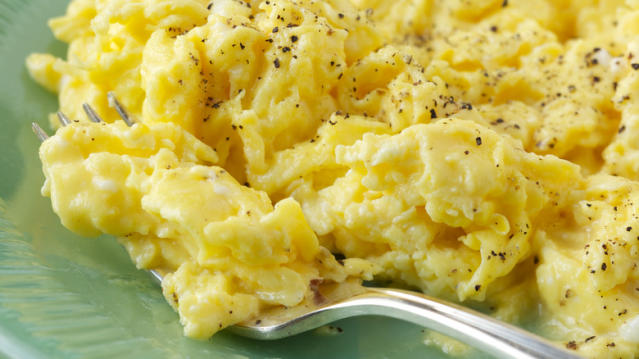
If you’re looking for ways to elevate your scrambled eggs but aren’t sold on adding milk, there are alternatives that can enhance both flavor and texture without compromising the integrity of the dish.
1. Cream or Half-and-Half
For a richer, more luxurious scramble, some chefs recommend using a splash of cream or half-and-half instead of milk. These dairy products have a higher fat content, which can contribute to a silkier texture without watering down the flavor.
2. Butter
Another option is to add a pat of butter while whisking the eggs. Butter not only adds richness but also helps create a smooth texture as it melts into the eggs during cooking. This is a favorite method among chefs who prefer to avoid milk altogether.
3. Cheese
If you’re looking for added creaminess and flavor, try incorporating cheese into your scrambled eggs. Cheddar, feta, or cream cheese can bring a depth of flavor while also adding a creamy, melty texture.
How to Make Scrambled Eggs Without Milk
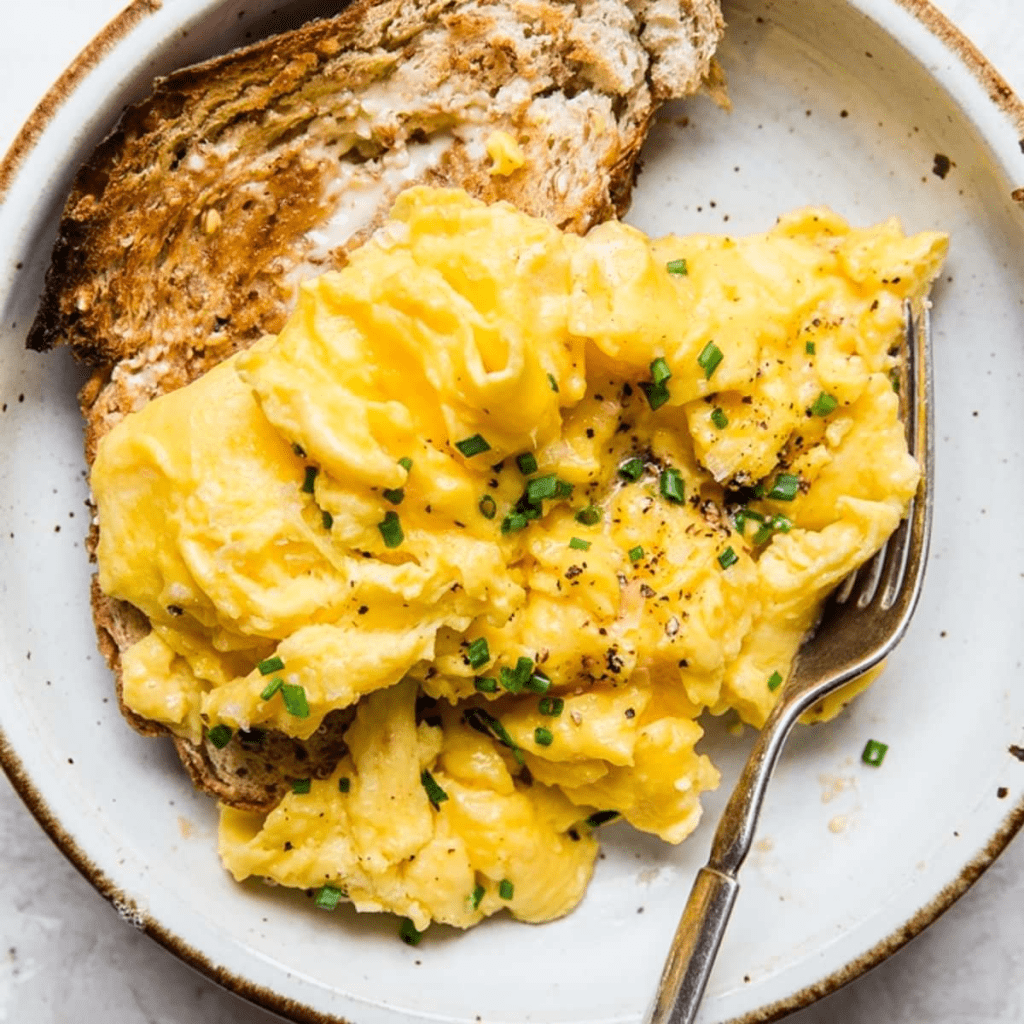
For those who prefer their scrambled eggs without milk, here’s a simple method to achieve perfect, fluffy eggs that don’t rely on dairy.
- Whisk Your Eggs Well
The key to fluffy scrambled eggs is aeration. Whisk the eggs thoroughly to incorporate air, which helps achieve that light texture without the need for milk. - Use Low Heat
Scrambled eggs cooked over low heat are less likely to overcook and become rubbery. The slower cooking process allows the eggs to form soft curds without drying out. - Add Butter or Oil
Melt a tablespoon of butter or oil in your pan before adding the eggs. This will not only prevent sticking but also contribute to a smoother, creamier texture. - Stir Gently
Stirring the eggs gently as they cook helps form tender curds. Avoid over-stirring, as this can result in smaller, denser pieces.
The Verdict: Who’s Right?
At the end of the day, whether or not to add milk to scrambled eggs is a matter of personal preference. Some people love the added creaminess and volume that milk brings, while others prefer the natural flavor and texture of eggs on their own. There’s no universally “right” way to make scrambled eggs—what matters most is what you enjoy.
If you like a softer, more mild scramble, adding milk might be the way to go. But if you’re someone who values the rich, authentic taste of eggs, you may want to skip it. Try experimenting with both methods to see what you prefer.
Conclusion
The debate over whether or not to add milk to scrambled eggs is a perfect example of how something seemingly simple can stir up passionate opinions. Ultimately, the best way to make scrambled eggs is the one that makes you happiest when you sit down to eat.
Whether you’re team milk or team no milk, the beauty of cooking lies in its flexibility. So go ahead—experiment, adjust, and make your scrambled eggs exactly how you like them. After all, in the kitchen, the only rule that truly matters is your own taste.
