The silence in my car on the drive back to the city was different than the silence on the way to Lake Forest. The drive there had been heavy with dread, a thick, suffocating blanket of anticipation. The drive back was hollowed out. It was the silence of a building after the demolition charges have gone off—the dust hasn’t settled, but the structure is gone.
I didn’t go straight to my apartment. I couldn’t. The adrenaline was still spiking in my blood, making my hands shake against the leather steering wheel. Instead, I drove to the office.
It was 11:30 p.m. on a Saturday. The Vector Logistics tower was mostly dark, save for the cleaning crews and the glow of the server room on the 14th floor. I badged in. The beep was a comfort. The click-hum of the elevator was a lullaby.
I walked onto my floor. It was empty. The rows of ergonomic chairs stood like sentinels. I walked into my office—the corner suite with the view of the lake that Blake had unknowingly mocked—and sat in the dark.
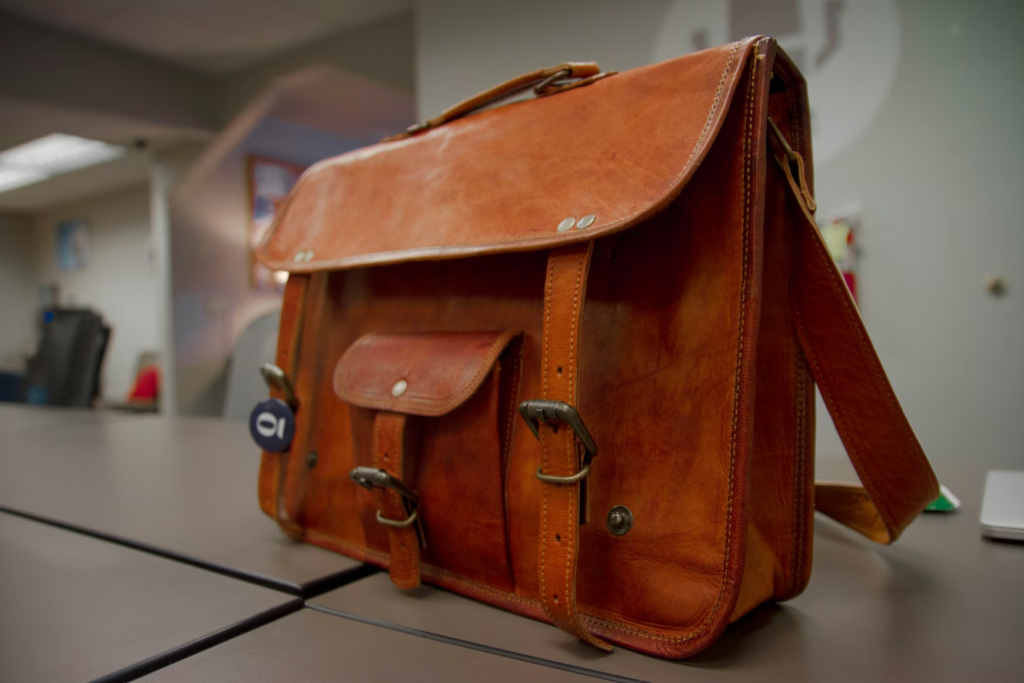
I pulled the folder out of my briefcase. The rejection letter. The resume. The lies.
I shredded them.
It wasn’t about erasing the evidence. The evidence was burned into the retinas of everyone at that table. It was about closing the file. Case closed.
My phone buzzed on the mahogany desk. It was my mother.
“Daniel?”
“I’m here, Mom.”
“Where are you? We were worried. You drove off so fast.”
“I’m at the office. I needed to… decompress.”
There was a pause. I could hear the hum of their old refrigerator in the background, a sound I had grown up with.
“Is it true?” she asked. Her voice was small. “About the company? About the money?”
“It’s true, Mom.”
“Why didn’t you tell us?”
It was the question I had been dreading. Not the anger from Sandra, or the jealousy from Blake, but the hurt from the people I actually loved.
“Because I wanted you to be my parents,” I said, the truth finally finding its way out. “I didn’t want to be the bank. I didn’t want to be the investment strategy. I just wanted to be Daniel. And I was afraid that if you knew… things would change.”
“We’re not Sandra,” she said sharply. It was the most defensive I’d ever heard her.
“I know. But money changes people, Mom. Even good people. And I saw how you looked at Blake when he talked about his bonuses. You were proud. But you were also… relieved. I didn’t want our relationship to be about relief. I wanted it to be about us.”
She was quiet for a long time. “Your father is in the basement,” she said finally. “He’s trying to tape up the ductwork on the furnace. It’s making that rattling sound again.”
The furnace. The symbol of everything they tried to hold together with duct tape and prayer.
“Tell him to stop,” I said. “I’m sending a crew on Monday. The best HVAC team in the state. You’re getting a new system. And Mom? I paid off the mortgage three months ago. I just haven’t mailed you the deed yet.”
I heard a gasp. Then a sob. Then the line went dead.
I sat in the dark for a long time, watching the city lights of Chicago, feeling the weight of the secret finally lifting, replaced by the terrifying lightness of being known.
The Morning After the Bomb
Sunday morning brought a hangover, though I hadn’t touched a drop of alcohol. It was an emotional hangover, a headache born of tension release.
I expected a barrage of texts from Aunt Sandra. I expected rage. What I got was radio silence. It was unnerving. The Harrisons were loud people; their silence was usually a prelude to an ambush.
Around noon, my doorbell rang.
I lived in a converted loft in the West Loop. Exposed brick, high ceilings, secure entry. I checked the monitor.
It was Blake.
He looked rough. He was wearing the same clothes from the night before, his coat unbuttoned, his hair matted. He didn’t look like the Master of the Universe he had played at dinner. He looked like a guy who had slept in his car.
I buzzed him up.
When I opened the door, he didn’t storm in. He stood in the hallway, hands in his pockets, looking at the floor.
“Nice place,” he muttered.
“It’s okay,” I said, leaning against the doorframe. I didn’t invite him in. “What do you want, Blake?”
“I wanted to say… you got me.” He looked up, his eyes bloodshot. “You really got me. That was some Count of Monte Cristo stuff, Danny.”
“It wasn’t revenge, Blake. It was a correction.”
“Call it what you want. You embarrassed me. You humiliated my mother.”
“Your mother humiliated herself when she tried to extort my parents for a loan to cover your lies.”
He winced. “I didn’t know she did that. I swear. I told her I was tight, I didn’t tell her to hit up Uncle Jim.”
“But you would have taken the money,” I said. “If Dad had written that check, you would have cashed it. Don’t pretend you have morals now because you got caught.”
He sighed, leaning his head back against the brick wall of the hallway. “I’m in deep, Danny. It’s not just the lease. It’s… I owe some people. Bad people. Gambling stuff. Sports betting. It spiraled.”
There it was. The truth beneath the truth. The “tech job” wasn’t just for ego; it was a lifeline. He needed a salary to stop the bleeding.
“I can’t help you with the bad people,” I said. “And I won’t give you money. You know why? Because you’d gamble that, too.”
“I need a job,” he pleaded. The arrogance was completely gone, replaced by a desperate, childish fear. “I’m begging you. I’ll scrub toilets. I’ll answer phones. I just need a W-2. I need to show some stability.”
I looked at him. I saw the cousin who used to lock me out of the treehouse. I saw the man who mocked my “little computer hobby.” But I also saw a terrified human being.
“I’m not hiring you, Blake,” I said firmly. “Vector isn’t a rehab center. And honestly? You’d be toxic to my culture. My team works hard. They’re honest. You’re neither.”
He slumped. “So that’s it? Family means nothing?”
“Family means I’m not calling the police about the fraud you tried to pull on my HR department,” I said. “That’s the favor. That’s the family discount. You walk away today, and you don’t have a criminal record.”
He stared at me for a long moment. Then he nodded, a jerky, broken motion.
“You were always a nerd, Danny,” he said, but there was no heat in it. “I guess the nerds really do win.”
“Go home, Blake. Get help for the gambling. Tell Aunt Sandra the truth. That’s the only way out.”
He turned and walked toward the elevator. He looked smaller than I had ever seen him.
The Transformation of Home
Monday morning, the HVAC crew arrived at my parents’ house in Lake Forest. I met them there.
The house looked the same—the peeling paint on the shutters, the overgrown hydrangeas—but it felt different. The air of desperation that had hung over it for years was gone.
My dad was standing on the porch, watching the crew unload a gleaming new furnace unit. He had a cup of coffee in his hand, and he was smiling.
“This thing looks like a spaceship,” he said as I walked up the driveway.
“Top of the line,” I said. “High efficiency. It’ll cut your heating bill in half.”
He looked at me. His eyes were watery. “We got the letter from the bank today. The mortgage. It says… paid in full.”
“Happy early Christmas,” I said.
He set his coffee down on the railing and hugged me. It wasn’t the frantic hug from Saturday night. It was a solid, grounding embrace.
“I don’t know how to thank you,” he said. “I feel like… I feel like I can breathe for the first time in twenty years.”
“You worked hard, Dad. You carried us. It’s my turn to carry the heavy stuff.”
My mom came out, wiping her hands on a dish towel. She looked ten years younger. The lines of worry around her mouth had softened.
“Your aunt called,” she said, her voice neutral.
I stiffened. “And?”
“She said you were cruel. She said we raised a monster.”
“What did you say?”
Mom smiled. It was a fierce, sharp smile I had never seen before. “I told her that if raising a monster means raising a son who protects his family and tells the truth, then I’m proud of my monster. And then I told her not to call again until Blake pays us back the five hundred dollars he stole from your father’s wallet at Easter three years ago.”
My jaw dropped. “He stole from Dad?”
“We never told you,” Dad admitted. “We didn’t want to cause a rift. But yes. We knew.”
I shook my head. The layers of dysfunction in my family were like an onion—endless, and every layer made you cry.
“Well,” I said. “I guess the rift is here.”
“Let it be,” Mom said, linking her arm through Dad’s. “We have heat. We have a home. And we have you. We don’t need the drama.”
The Unexpected Visitor
Two days later, I was in a board meeting at Vector. We were discussing the Q1 expansion into the European market. It was high-level strategy, the kind of work I lived for.
My assistant, Leo, knocked on the glass door. He looked pale.
“Sorry to interrupt, Daniel,” he whispered. “But there’s a woman in the lobby. She’s… loud. She says she’s your aunt and she’s not leaving until she sees the ‘tech tycoon’.”
Aunt Sandra. Of course.
I looked at my board members. “Gentlemen, Sarah. Give me ten minutes. Family emergency.”
I walked out to the lobby.
Sandra was standing by the reception desk, wearing a fur coat that I knew was vintage (and by vintage, I mean old) and holding a oversized handbag. She was berating the receptionist.
“I changed his diapers!” she was shouting. “I don’t need a badge to see my nephew!”
“Sandra,” I said, my voice cutting through the lobby.
She spun around. Her eyes widened as she took in the office—the minimalist design, the bustling employees, the view of the lake. The reality of Vector Logistics was hitting her harder than any folder of documents could.
“Daniel,” she said, smoothing her coat. Her tone shifted instantly from aggressive to sickly sweet. “There you are. This girl wouldn’t let me up.”
“She’s doing her job,” I said. “Come with me.”
I led her into a small conference room off the lobby. I didn’t take her to my office. I didn’t want her in my sanctum.
“What are you doing here, Sandra?”
“I came to apologize,” she said, sitting down and clutching her bag. “Christmas was… emotional. We all said things.”
“I said facts,” I corrected. “You said insults.”
“Blake is in a bad way, Daniel,” she said, dropping the act. Tears welled up in her eyes. Real tears this time. “He’s depressed. He won’t leave his room. He says you ruined him.”
“He ruined himself. I just turned on the lights.”
“He needs a chance,” she pressed. “He’s your cousin. Your blood. Surely, with all this…” she gestured vaguely at the expensive glass walls, “…you can find a place for him. A consultant role? Something part-time?”
I looked at her. I saw the desperation. I saw a mother who had enabled a narcissist for thirty years and was now terrified of the result.
“No,” I said.
“Just like that? No?”
“Sandra, you spent my entire life telling me I wasn’t good enough. You mocked my career. You belittled my parents. And now, because you see dollar signs, you want back in? That’s not how this works.”
“We’re family!”
“Family treats you with respect when you have nothing,” I said. “Not just when you have everything. You failed that test a long time ago.”
She stood up, her face hardening. “You think you’re better than us now.”
“I don’t think I’m better,” I said. “I think I’m healthier. And I intend to stay that way.”
I opened the door. “Please leave. And tell Blake that if he contacts my staff again, I will file a restraining order. I’m not joking.”
She stared at me with pure venom. “You’re cold, Daniel. Ice cold.”
“I’m just protecting my company,” I said. “And my peace.”
She stormed out. As she passed the receptionist, she knocked a vase of flowers off the desk. It shattered. She didn’t look back.
I walked over to the receptionist, who looked terrified.
“I’m so sorry, Katie,” I said. “Put it on the corporate card. And take the rest of the day off.”

The Boardroom Revelation
I went back into the board meeting. The room was quiet. My team looked at me with curiosity.
“Everything okay?” Sarah asked.
I sat down at the head of the table. I looked at the people around me—smart, dedicated, honest people. This was my team. This was the family I had chosen.
“Yes,” I said. “Just clearing out some old inventory.”
We went back to work.
That afternoon, I called a meeting with my executive team.
“I want to set up a new scholarship fund,” I announced.
Sarah looked up from her laptop. “Okay. Targeted at whom?”
“Kids from blue-collar families,” I said. “Kids who like to tinker. Kids who are told their hobbies aren’t ‘real jobs.’ I want to find the next generation of basement dwellers and give them a runway.”
“The ‘Harrison Grant’?” Sarah suggested.
I thought about it. I thought about the name Harrison and all the baggage it carried. The pride, the lies, the expectations.
“No,” I said. “Call it the ‘Jim and Martha Fellowship.’ Named after my parents.”
Sarah smiled. “I like it.”
The New Normal
Christmas came and went. We didn’t go to Aunt Sandra’s. For the first time in my life, we stayed home.
My parents came to the city. I hosted Christmas dinner in my loft. I hired a chef to cook because, frankly, I can’t cook a turkey to save my life, and I wanted my mom to have a day off.
We ate beef wellington. We drank good wine. We listened to jazz.
There was no tension. No one asked me when I was going to get a “real job.” No one bragged about a fake bonus.
After dinner, my dad stood by the window, looking out at the snow falling on the Chicago streets.
“You know,” he said, “I always worried about you. Being in the city alone. Working so hard on things I didn’t understand.”
“I know, Dad.”
“But watching you today… seeing you in your element… I realize I never needed to worry. You knew who you were the whole time.”
“It took a while to convince everyone else,” I joked.
“You didn’t need to convince us,” Mom said from the couch. “We just wanted you to be happy. We didn’t care if you were a CEO or a clerk. We just wanted you to be treated well.”
“And now,” Dad said, raising his glass, “you can treat us well. This wine is fantastic. How much is a bottle?”
“Don’t ask, Dad,” I laughed. “Just drink it.”
The Epilogue: A Year Later
A year later, the Forbes article ran.
It was a cover story. “The Silent Disrupter: How Daniel Harrison Built a Logistics Empire from His Basement.”
The photo was of me, standing in the server room, looking serious but content.
I sent a copy to my parents. They framed it and put it in the hallway, right next to my high school graduation photo.
I didn’t send a copy to Aunt Sandra. I didn’t need to.
Two weeks after the article came out, I got a LinkedIn notification. Blake had viewed my profile.
I clicked on his.
He was working at a car dealership in Wisconsin. His title was “Sales Associate.”
There were no posts about penthouses. No posts about “hustle culture.” Just a few shared articles about automotive trends.
I scrolled down. Under “Experience,” he had listed the dealership. And below that, a gap of three years where the “consulting” lies used to be.
He was telling the truth. Or at least, a version of it.
I hovered over the “Message” button. I thought about writing something. Good for you. Keep going.
But I didn’t.
I realized then that my part in his story was over. I wasn’t his savior, and I wasn’t his villain. I was just the mirror he had crashed into.
I closed the tab.
My assistant walked in. “Daniel, the meeting with the European partners starts in five minutes.”
“I’m ready,” I said.
I picked up my briefcase—the same battered leather briefcase that had held the folder that changed everything. It felt lighter now.
I walked out of my office, past the rows of busy employees, past the logo of the company I had built, and into the future.
The jokes were gone. The silence was gone.
And for the first time in my life, the noise around me was a sound I liked. It was the sound of work. Real work.
The kind that speaks for itself.
We’ve all dealt with that one family member who tries to make everyone else feel small to boost their own ego. Let us know what you think about this story on the Facebook video. Did Daniel handle it the right way? Or was it too harsh for Christmas?
If you like this story, share it with friends and family. Sometimes, the quiet ones have the loudest stories to tell.
