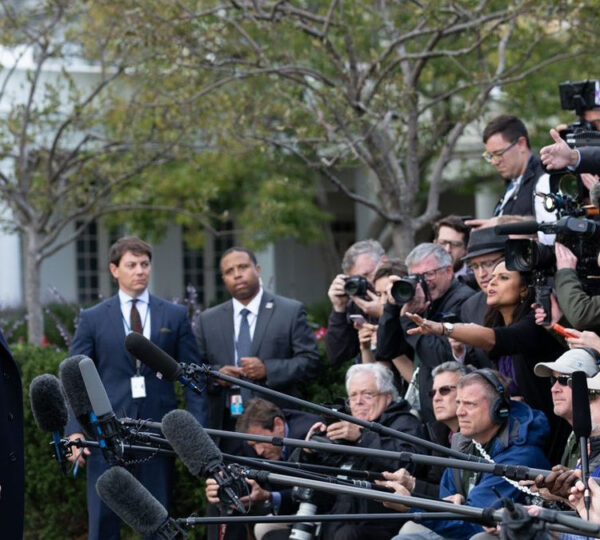
Every camera in the room locked on him like a firing squad, lenses pointed with the relentless precision of expectation.
Seconds earlier, the room had been alive with a cacophony of soundbites, journalists adjusting their microphones, aides whispering into earpieces, and the faint buzz of phones recording and tweeting.
Yet in an instant, that chaos dissolved. The room fell into a silence so precise and complete it felt surgical, as if the very air had been suctioned clean of sound.
Omar’s words faltered mid-sentence, the familiar cadence of rehearsed conviction interrupted by the pause.
Alexandria Ocasio-Cortez’s posture, usually composed and deliberate, flickered for just a heartbeat—enough for the stillness to imprint itself like an indelible mark on the space.
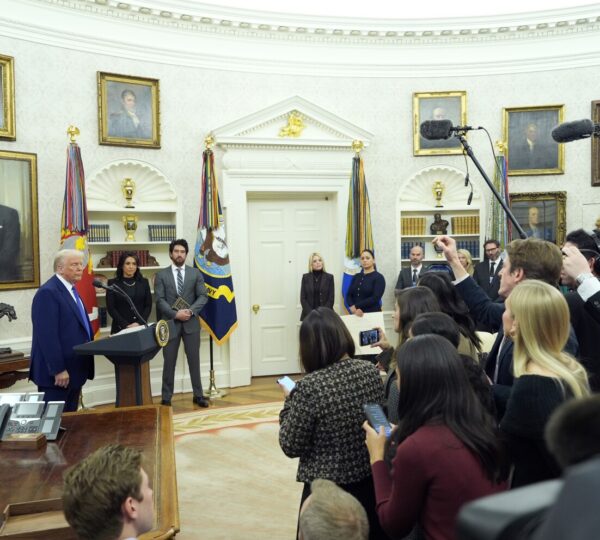
Every subtle motion was magnified; every blink, every intake of breath, became part of the rhythm of anticipation that seemed to pulse through the chamber.
Then Kennedy inhaled. It was a deliberate, measured breath, yet it carried an almost imperceptible weight. In that single moment, the energy in the room shifted.
The balance of authority, the current of the narrative, even the illusion of moral certainty seemed to tilt subtly toward him.
It was as if history itself leaned forward, eager to witness a rupture in the performance-driven spectacle that had come to dominate every political interaction, whispering, “Listen.”
The first shock came not from volume, not from grand gesture, but from the calm itself. In a chamber addicted to outrage, spectacle, and rapid soundbites, his composure landed like rebellion.
It was a defiance not of personalities or parties but of the relentless pace of performance politics—a refusal to participate in the ritualized theater of perpetual outrage.
He spoke not to the cameras but to conscience. His words were chosen with precision, each one a careful reminder of the covenant that public service entails, not as a costume to be worn for applause, but as a duty that demands integrity.
He framed power not as ownership or privilege but as stewardship, responsibility, and accountability.
There was no need for embellishment; every word carried the quiet authority of someone who had remembered what it truly meant to lead.
The marble walls of the chamber seemed to draw closer, as if leaning in to catch each nuance. The aides, usually restless, stopped typing and whispering, their eyes fixed on the measured cadence of his speech.
Even the cameras, perpetually hungry for drama, lost interest in the absence of spectacle. For a brief, suspended moment, the room existed in a rare, almost sacred, clarity.
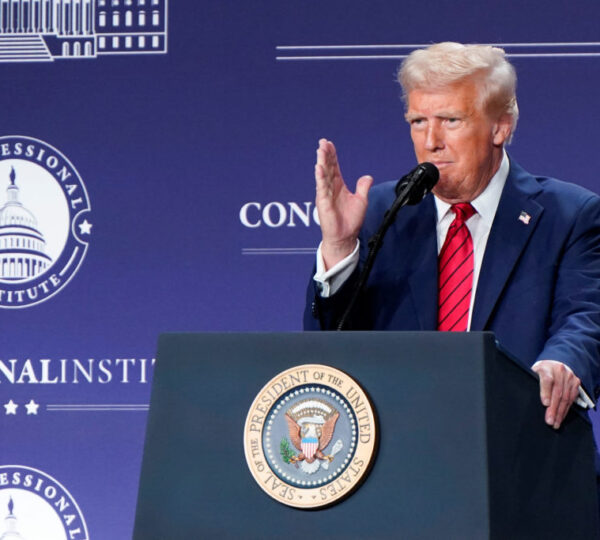
Omar’s hand lowered from the microphone, a subtle acknowledgment of the gravity that had entered the room
. Ocasio-Cortez straightened, not in defiance, but in thought, recalibrating mid-pose, suddenly aware that the real contest was not between parties, platforms, or soundbites—but between authenticity and performance.
Kennedy was not attacking anyone; he was diagnosing a systemic ailment: a politics that had traded depth for display, duty for decoration.
For those present, the experience was almost unsettling in its simplicity. The usual theater of power—the sharp retorts, the pointed gestures, the anticipatory tension—was absent.
There was no campaign strategy unfolding, no trending hashtags, no calculated optics.
There were only human beings in a room entrusted with a fragile inheritance: the responsibility to lead wisely, to listen carefully, and to honor the public trust.
And in the echo of that calm, deliberate voice, a question lingered, unspoken yet unavoidable: Are we still worthy of the power we hold?
The words did not need to be shouted; the room had already absorbed them in silence.
In that suspended moment, the weight of duty, the responsibility of service, and the urgency of conscience were felt more profoundly than any political maneuver could convey.
The silence that followed Kennedy’s words didn’t break immediately. It lingered, stretching across the chamber like an invisible tide.
Reporters lowered their pens and paused their recorders, unsure whether they were witnessing a speech, a revelation, or a moment of rare honesty.
The usual urgency to capture soundbites gave way to reflection; even the most seasoned journalists felt the weight of something greater than politics.
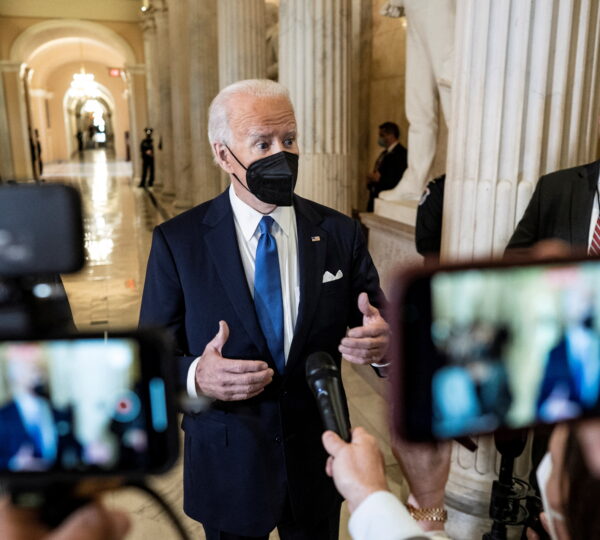
It was not about winning or losing; it was about recognition—of responsibility, of history, and of the ethical gravity of power.
Kennedy’s colleagues, often hardened by debate and performance, seemed momentarily humanized. Omar’s gestures slowed, his previous momentum tempered by the quiet authority that had permeated the room.
Ocasio-Cortez’s expressions softened, thoughtful lines replacing the habitual posture of political readiness. In that instant, it was no longer a contest of influence or ideology.
The chamber had become a space where substance outweighed spectacle, reflection outweighed rhetoric.
What made Kennedy’s approach striking wasn’t just his composure, but the precision of his framing.
He spoke in measured cadences, choosing words that invoked duty, accountability, and the ethical obligations inherent in public office.
His language reminded everyone present that leadership was not a performance to be judged on ratings, applause, or virality, but a covenant with the people they serve.
Every phrase was deliberate, carrying an unspoken challenge: to examine motives, to question priorities, and to consider whether the performance of service had overtaken the practice of true service.
Observers later described the room as transformed. Staffers who had been typing furiously paused, leaning back in their chairs, absorbing the moment rather than rushing to broadcast it.
Security personnel unconsciously straightened their posture, drawn into the rare stillness.
Even the cameras, designed to consume noise and amplify spectacle, seemed to slow, capturing not just an image but the gravity of an action that transcended politics.
Outside the chamber, the impact rippled through the political ecosystem.
Analysts would later debate Kennedy’s remarks not as partisan commentary but as a reminder of ethical leadership, a quiet critique of a system too often dominated by performance.
Social media, usually impatient for conflict, buzzed not with outrage but with reflective discourse.
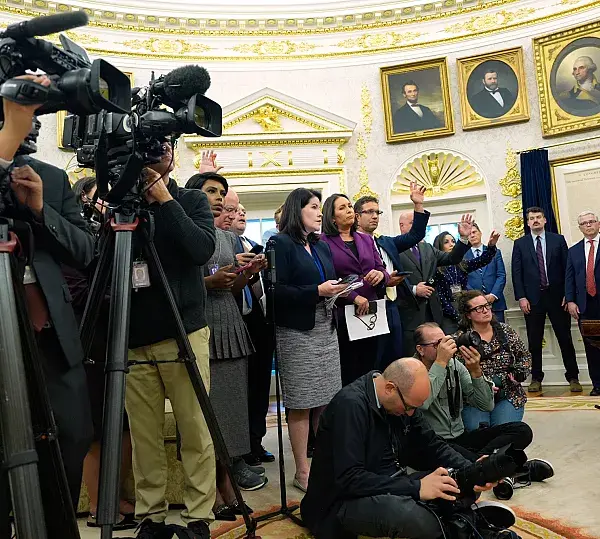
Clips of his measured speech circulated with commentary emphasizing integrity, calm, and the challenge of leadership as stewardship rather than ownership.
The subtle power of Kennedy’s words also shifted internal dynamics. Colleagues began reconsidering strategies, prioritizing collaboration and reflection over quick wins and spectacle.
Conversations in hallways, private offices, and committee rooms changed tone; there was an undercurrent of acknowledgment that leadership required more than political skill—it required moral courage and an unwavering commitment to truth.
For those who witnessed it firsthand, the experience left an indelible mark. Many described a sense of accountability, as if the chamber itself had been reminded of its purpose.
The echo of Kennedy’s calm authority lingered in conversations long after the session ended. It became a reference point, a standard against which subsequent speeches, debates, and policy discussions were quietly measured.
And perhaps most importantly, Kennedy’s intervention reminded everyone present—legislators, aides, and journalists alike—that leadership is not a spectacle to be consumed, but a responsibility to be honored.
In a world where outrage and optics often dominate discourse, the rare act of measured honesty and ethical clarity created space for reflection, courage, and even redemption.
For a brief, shining moment, the chamber had returned to its intended purpose: a place where ideas are weighed, responsibilities are acknowledged, and the question of worthiness is not ignored.
As the session adjourned, the room buzzed with whispers, not of rivalry, but of contemplation. The question he had left in the air—Are we still worthy of the power we hold?—was not dismissed.
It followed every exit, every corridor, and every subsequent meeting.
For many, it became a personal challenge as well as a professional one: to lead not for acclaim, but for conscience; to act not for spectacle, but for service.
Every camera in the room locked on him like a firing squad, lenses pointed with the relentless precision of expectation.
Seconds earlier, the room had been alive with a cacophony of soundbites, journalists adjusting their microphones, aides whispering into earpieces, and the faint buzz of phones recording and tweeting.
Yet in an instant, that chaos dissolved. The room fell into a silence so precise and complete it felt surgical, as if the very air had been suctioned clean of sound.
Omar’s words faltered mid-sentence, the familiar cadence of rehearsed conviction interrupted by the pause.
Alexandria Ocasio-Cortez’s posture, usually composed and deliberate, flickered for just a heartbeat—enough for the stillness to imprint itself like an indelible mark on the space.
Every subtle motion was magnified; every blink, every intake of breath, became part of the rhythm of anticipation that seemed to pulse through the chamber.
Then Kennedy inhaled. It was a deliberate, measured breath, yet it carried an almost imperceptible weight. In that single moment, the energy in the room shifted.
The balance of authority, the current of the narrative, even the illusion of moral certainty seemed to tilt subtly toward him.
It was as if history itself leaned forward, eager to witness a rupture in the performance-driven spectacle that had come to dominate every political interaction, whispering, “Listen.”
The first shock came not from volume, not from grand gesture, but from the calm itself. In a chamber addicted to outrage, spectacle, and rapid soundbites, his composure landed like rebellion.
It was a defiance not of personalities or parties but of the relentless pace of performance politics—a refusal to participate in the ritualized theater of perpetual outrage.
He spoke not to the cameras but to conscience. His words were chosen with precision, each one a careful reminder of the covenant that public service entails, not as a costume to be worn for applause, but as a duty that demands integrity.
He framed power not as ownership or privilege but as stewardship, responsibility, and accountability.
There was no need for embellishment; every word carried the quiet authority of someone who had remembered what it truly meant to lead.
The marble walls of the chamber seemed to draw closer, as if leaning in to catch each nuance. The aides, usually restless, stopped typing and whispering, their eyes fixed on the measured cadence of his speech.
Even the cameras, perpetually hungry for drama, lost interest in the absence of spectacle. For a brief, suspended moment, the room existed in a rare, almost sacred, clarity.
Omar’s hand lowered from the microphone, a subtle acknowledgment of the gravity that had entered the room
. Ocasio-Cortez straightened, not in defiance, but in thought, recalibrating mid-pose, suddenly aware that the real contest was not between parties, platforms, or soundbites—but between authenticity and performance.
Kennedy was not attacking anyone; he was diagnosing a systemic ailment: a politics that had traded depth for display, duty for decoration.
For those present, the experience was almost unsettling in its simplicity. The usual theater of power—the sharp retorts, the pointed gestures, the anticipatory tension—was absent.
There was no campaign strategy unfolding, no trending hashtags, no calculated optics.
There were only human beings in a room entrusted with a fragile inheritance: the responsibility to lead wisely, to listen carefully, and to honor the public trust.
And in the echo of that calm, deliberate voice, a question lingered, unspoken yet unavoidable: Are we still worthy of the power we hold?
The words did not need to be shouted; the room had already absorbed them in silence.
In that suspended moment, the weight of duty, the responsibility of service, and the urgency of conscience were felt more profoundly than any political maneuver could convey.
The silence that followed Kennedy’s words didn’t break immediately. It lingered, stretching across the chamber like an invisible tide.
Reporters lowered their pens and paused their recorders, unsure whether they were witnessing a speech, a revelation, or a moment of rare honesty.
The usual urgency to capture soundbites gave way to reflection; even the most seasoned journalists felt the weight of something greater than politics.
It was not about winning or losing; it was about recognition—of responsibility, of history, and of the ethical gravity of power.
Kennedy’s colleagues, often hardened by debate and performance, seemed momentarily humanized. Omar’s gestures slowed, his previous momentum tempered by the quiet authority that had permeated the room.
Ocasio-Cortez’s expressions softened, thoughtful lines replacing the habitual posture of political readiness. In that instant, it was no longer a contest of influence or ideology.
The chamber had become a space where substance outweighed spectacle, reflection outweighed rhetoric.
What made Kennedy’s approach striking wasn’t just his composure, but the precision of his framing.
He spoke in measured cadences, choosing words that invoked duty, accountability, and the ethical obligations inherent in public office.
His language reminded everyone present that leadership was not a performance to be judged on ratings, applause, or virality, but a covenant with the people they serve.
Every phrase was deliberate, carrying an unspoken challenge: to examine motives, to question priorities, and to consider whether the performance of service had overtaken the practice of true service.
Observers later described the room as transformed. Staffers who had been typing furiously paused, leaning back in their chairs, absorbing the moment rather than rushing to broadcast it.
Security personnel unconsciously straightened their posture, drawn into the rare stillness.
Even the cameras, designed to consume noise and amplify spectacle, seemed to slow, capturing not just an image but the gravity of an action that transcended politics.
Outside the chamber, the impact rippled through the political ecosystem.
Analysts would later debate Kennedy’s remarks not as partisan commentary but as a reminder of ethical leadership, a quiet critique of a system too often dominated by performance.
Social media, usually impatient for conflict, buzzed not with outrage but with reflective discourse.
Clips of his measured speech circulated with commentary emphasizing integrity, calm, and the challenge of leadership as stewardship rather than ownership.
The subtle power of Kennedy’s words also shifted internal dynamics. Colleagues began reconsidering strategies, prioritizing collaboration and reflection over quick wins and spectacle.
Conversations in hallways, private offices, and committee rooms changed tone; there was an undercurrent of acknowledgment that leadership required more than political skill—it required moral courage and an unwavering commitment to truth.
For those who witnessed it firsthand, the experience left an indelible mark. Many described a sense of accountability, as if the chamber itself had been reminded of its purpose.
The echo of Kennedy’s calm authority lingered in conversations long after the session ended. It became a reference point, a standard against which subsequent speeches, debates, and policy discussions were quietly measured.
And perhaps most importantly, Kennedy’s intervention reminded everyone present—legislators, aides, and journalists alike—that leadership is not a spectacle to be consumed, but a responsibility to be honored.
In a world where outrage and optics often dominate discourse, the rare act of measured honesty and ethical clarity created space for reflection, courage, and even redemption.
For a brief, shining moment, the chamber had returned to its intended purpose: a place where ideas are weighed, responsibilities are acknowledged, and the question of worthiness is not ignored.
As the session adjourned, the room buzzed with whispers, not of rivalry, but of contemplation. The question he had left in the air—Are we still worthy of the power we hold?—was not dismissed.
It followed every exit, every corridor, and every subsequent meeting.
For many, it became a personal challenge as well as a professional one: to lead not for acclaim, but for conscience; to act not for spectacle, but for service.
