On Monday, December 15, 2025, Hunter Biden — the son of former President Joe Biden and a once‑practicing attorney.
Was formally disbarred from the Connecticut Bar after a judge concluded that he violated the state’s rules governing attorney conduct.
The ruling effectively ends his ability to practice law in Connecticut and reflects the lasting professional consequences of his high‑profile legal troubles, even after a presidential pardon.
The disbarment proceeding took place in Waterbury, Connecticut, where Judge Trial Referee Patrick L. Carroll III presided.
Hunter Biden appeared by video alongside his attorney, prominent defense lawyer Ross Garber.
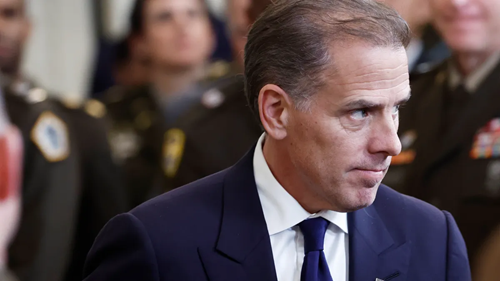
Biden did not make a personal statement during the hearing and consented to the disbarment.
Although he acknowledged professional misconduct, he did not admit to any criminal wrongdoing in the disciplinary process.
This ruling marks a significant moment in the ongoing aftermath of the criminal cases involving Hunter Biden that drew national attention and political debate over the last several years.
Background: Hunter Biden’s Legal Troubles and Federal Cases
Hunter Biden, now 55 years old, has been a public figure not only because of his family’s prominence but also due to legal issues that culminated in federal convictions and wide‑ranging national coverage.
After graduating from Yale Law School in 1996, Biden was admitted to the Connecticut Bar in 1997.
At times, he worked in various professional roles, including as an attorney, a lobbyist, and in investment or consulting firms, although he had not been an active practicing attorney in Connecticut for many years before this year’s disbarment.
Federal Gun Conviction
In June 2024, a federal jury in Delaware convicted Hunter Biden on three felony counts arising from his purchase of a firearm in 2018.
Prosecutors showed that Biden, who had acknowledged struggling with substance abuse at the time, lied on a federal firearms form by indicating he was not an illegal drug user, even though he was using drugs, including cocaine, during that period.
These charges were serious: each felony carried a maximum statutory prison sentence of up to 25 years, though federal sentencing guidelines and his lack of prior convictions suggested any sentence would likely be significantly less.
The convictions also triggered reciprocal disciplinary consequences for his law licenses.
Federal Tax Case
In addition to the gun charges, Hunter Biden was indicted in California on charges related to failure to pay federal income taxes.
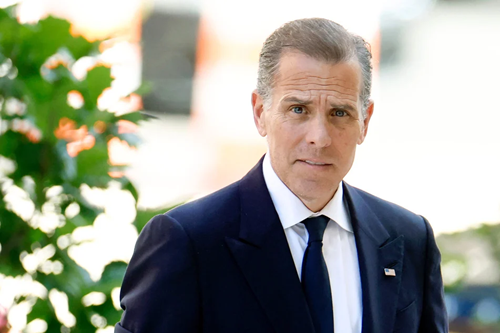
Prosecutors alleged he failed to pay at least $1.4 million in taxes over multiple years, prompting felony and misdemeanor counts.
Hours before jury selection was set to begin in September 2024, Biden agreed to plead guilty to a combination of tax charges.
Together, the gun and tax cases represented some of the most significant legal challenges Hunter Biden has faced and formed the basis of much of the disciplinary scrutiny that ultimately led to his disbarments.
The Presidential Pardon and Its Effect
In a highly unusual and widely covered decision, President Joe Biden issued a full and unconditional pardon to his son on December 1, 2024, covering “all federal offenses” that Hunter Biden might have committed from **January 1, 2014 through December 1, 2024.” This pardon included the gun and tax convictions as well as any other federal offense within that timeframe.
While the pardon prevented further prosecution and led to the formal closure of the gun case and dismissal of the tax case, it did not erase the underlying convictions as though they never occurred.
In the Delaware gun case, for example, the judge closed the case after the pardon but did not vacate the conviction, meaning the conviction remained part of the record for certain purposes.
Despite the pardon’s legal effect, disciplinary bodies and courts in attorney‑licensing matters are not always bound to ignore convictions when evaluating ethical standards.
Indeed, disciplinary rules often consider conduct that reflects on an attorney’s honesty, trustworthiness, and overall fitness to practice law, irrespective of later pardons.
Disbarment in Washington, D.C.
Before the Connecticut decision, Hunter Biden had already faced disciplinary consequences in another jurisdiction.
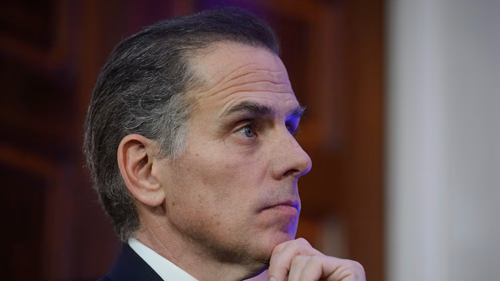
In April and May 2025, he voluntarily surrendered his law license in Washington, D.C., rather than undergo extended disciplinary proceedings over the impact of his criminal convictions on his fitness to practice law.
The District of Columbia Bar’s Board on Professional Responsibility accepted his voluntary surrender, and the D.C. Court of Appeals approved the disbarment, bringing an end to his ability to practice in that jurisdiction.
This voluntary disbarment in D.C. was a precursor to the Connecticut proceedings and played a role in the Connecticut judge’s assessment of the proper disciplinary outcome.
Connecticut Disciplinary Proceedings
The recent Connecticut disbarment arose from formal complaints filed with the state’s disciplinary authority concerning Hunter Biden’s conduct related to his federal convictions.
In negotiations with the Connecticut Office of Chief Disciplinary Counsel — the state agency responsible for investigating and prosecuting lawyer misconduct — Biden consented to disbarment, admitting in part to violations of the professional conduct rules without admitting any underlying criminal culpability.
At the heart of the judge’s findings were violations of ethical rules that bar attorneys from engaging in conduct involving dishonesty, fraud, deceit, or misrepresentation.
Such standards are core to the American legal profession and are enforced to maintain public confidence in the justice system.
Judge Carroll specifically referenced both the disciplinary issues arising from Biden’s federal cases and his earlier disbarment in Washington, D.C., as part of his rationale for imposing the disbarment in Connecticut.
During the proceedings, one of the complainants, Paul Dorsey, objected to the resolution on the ground that Biden did not admit to committing crimes, arguing that the agreement as written did not fully comply with Connecticut disciplinary standards.
However, disciplinary officials pointed to the presidential pardon as the reason a criminal admission was not part of the negotiated resolution.
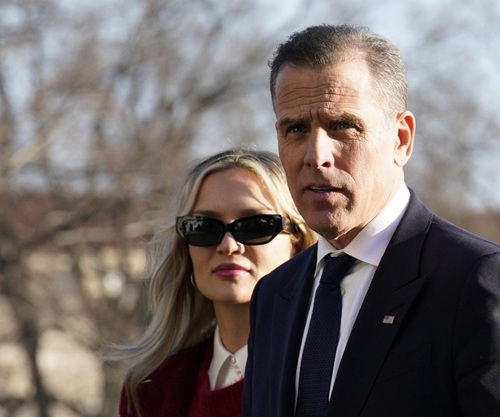
Unlike a criminal conviction, disciplinary admissions focus on the attorney’s professional conduct rather than adjudicating guilt or innocence under criminal law.
Biden’s partial admission in the disciplinary context centered on his professional conduct, not admissions of guilt for the underlying conduct that had been pardoned.
Outcome and Broader Implications
With the Connecticut disbarment now in effect and the earlier voluntary surrender in Washington, D.C., Hunter Biden’s ability to practice law has been permanently revoked in those key jurisdictions.
That effectively ends his legal career in multiple jurisdictions and demonstrates that professional consequences for attorneys can persist long after criminal matters have been resolved, even with a presidential pardon.
Disciplinary bodies and courts retain the authority to enforce ethical standards and protect the integrity of the legal profession.
Observers note that disbarment — particularly in multiple jurisdictions — is a rare and significant professional sanction, underscoring how disciplinary systems operate independently from criminal courts.
Lawyers not only must comply with criminal laws but also with professional rules that govern conduct expected of individuals entrusted with legal responsibilities.
Public Reaction and Context
The disbarment has generated a wide range of reactions across the political spectrum.
Supporters of strict adherence to professional standards emphasize that attorneys must be held accountable for conduct that reflects negatively on the justice system, regardless of family ties or political influence.
Critics of the disbarment, including some who filed complaints, have argued that a full admission of the underlying conduct should have been required.
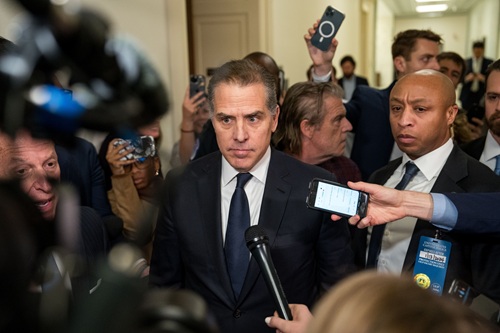
Others have framed the proceedings within broader political debates about the prosecution, pardon, and public scrutiny of Hunter Biden over the past several years.
The case also reignited discussion about the role of presidential pardons and how they intersect with non‑criminal professional consequences — a subject of debate among legal scholars, ethicists, and policymakers alike.
Conclusion
Hunter Biden’s formal disbarment in Connecticut marks a significant milestone in the long arc of legal proceedings involving the former first son.
His consent to disbarment, combined with an earlier voluntary surrender of his law license in Washington, D.C., closes the book on his ability to practice law in multiple jurisdictions.
Though his federal convictions were pardoned, disciplinary authorities in the legal profession judged that his conduct nonetheless warranted removal from the bar.
This outcome reflects the distinct standards and purposes of professional discipline, separate from criminal prosecution, and highlights the enduring consequences of serious lapses in lawyer ethics.
