Swollen feet, or known as edema, can be an uncomfortable and sometimes worrisome condition. Though water pills (diuretics) are often prescribed to help alleviate swelling, not everyone wants to use medication because of potential side effects, underlying health concerns, or a preference for more natural remedies.
Fortunately, there are several effective ways to reduce swelling in your feet and you don’t need to rely on water pills. Explore some lifestyle changes, dietary tips, and natural methods that can help you find relief.
Understanding the Causes of Swollen Feet
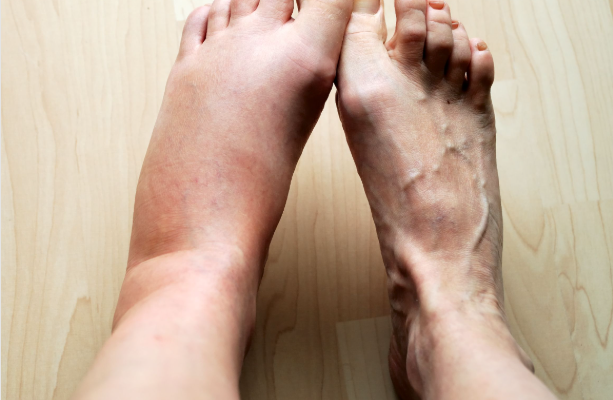
Make sure that you understand why your feet may be swollen. Common causes include:
– Prolonged standing or sitting: Poor circulation due to staying in one position too long.
– Injury or overuse: Sprains, strains, or overexertion.
– Dietary factors: High sodium intake can cause fluid retention.
– Health conditions: Pregnancy, obesity, or chronic conditions like kidney, heart, or liver disease.
– Medication side effects: Some prescriptions, such as NSAIDs or blood pressure medications, may contribute to swelling.
If you know the root cause of your swelling, this can help guide your approach to reducing it effectively.
1. Elevate Your Feet
Elevating your feet above heart level helps to reduce swelling by encouraging fluid to flow back toward the core of your body. Try the following:
– Step 1: Lie on your back and prop your feet up on pillows or a chair.
– Step 2: Spend 20–30 minutes in this position several times a day, especially after prolonged periods of standing or sitting.
2. Stay Hydrated
While it might sound counterintuitive, drinking plenty of water can actually help reduce fluid retention. Dehydration signals your body to hold onto water, worsening swelling. Aim to drink at least 8–10 glasses of water daily, and consider foods with high water content like cucumbers, watermelon, and celery.
3. Adjust Your Salt Intake
A diet high in sodium can make contribution to water retention and swelling. To reduce this:
Limit processed and packaged foods, which are often high in salt.
Season foods with herbs and spices instead of table salt.
Check nutrition labels for sodium content and choose low-sodium options.
4. Exercise and Stretch
Physical activity improves circulation and prevents fluid from pooling in the feet. Gentle exercises such as yoga, walking, or swimming can be especially beneficial. Additionally:
– Perform ankle pumps: Flex and point your toes repeatedly to improve circulation.
– Rotate your ankles in circular motions to prevent stiffness.
5. Use Compression Socks
Compression socks apply gentle pressure to your feet and legs, which promotes better circulation and reducing swelling. Look for a pair with the right level of compression for your needs (consult a doctor if unsure) and wear them during the day.
6. Massage Your Feet
A gentle foot massage can help to move excess fluid out of your tissues and improve circulation. Use upward strokes toward your heart to encourage lymphatic drainage. For added relief, use a cooling lotion or essential oils like peppermint or eucalyptus.
7. Soak in Epsom Salt
This can help reduce swelling and soothe discomfort. Magnesium in the salt may draw out excess fluids and relax muscles. To try this:
Fill a basin with warm water and dissolve ½ cup of Epsom salt.
Soak your feet for 15–20 minutes, then dry them thoroughly.
8. Consider Anti-Inflammatory Foods
Incorporate more of the following into your diet:
Vegetables: Spinach, kale, and broccoli.
Fruits: Pineapple, berries, oranges, and cherries.
Nuts and seeds: Almonds, walnuts, and flaxseeds.
Healthy fats: Avocado and olive oil.
Herbs and spices: Turmeric, ginger, and garlic.
9. Avoid Tight Clothing
Tight socks, shoes, or pants can restrict blood flow and help to reduce swelling. Opt for comfortable, loose-fitting clothing that allows proper circulation.
10. Manage Underlying Health Conditions
If your swollen feet are related to a chronic condition like heart disease, diabetes, or arthritis, you needto manage that condition. Follow your doctor’s recommendations, attend regular check-ups, and monitor your symptoms closely.
11. Limit Alcohol Intake
Alcohol can cause your body to retain fluid, exacerbating swelling. Reducing or eliminating alcohol may help prevent or reduce edema.
12. Practice Stress Reduction
Stress can result in hormonal changes that affect fluid retention. Activities like meditation, deep breathing exercises, or gentle yoga can help keep stress levels in check.
When to See a Doctor
Though these remedies can help reduce swelling, it’s important to seek medical advice if:
– You experience shortness of breath or chest pain.
– Your swelling is sudden, severe, or accompanied by pain or redness.
– The swelling persists despite lifestyle changes and home remedies.
