Cholesterol is a fat-like, waxy substance found in your blood. While it plays a key role in forming healthy cells, having too much can lead to serious heart-related issues.
There are two primary types: low-density lipoprotein (LDL), often labeled as “bad” cholesterol, and high-density lipoprotein (HDL), known as the “good” kind.
Elevated cholesterol usually means there’s too much LDL in your system, which can form fatty buildups in your arteries and increase the ri.sk of heart attacks or strokes.
Health Dangers of High Cholesterol
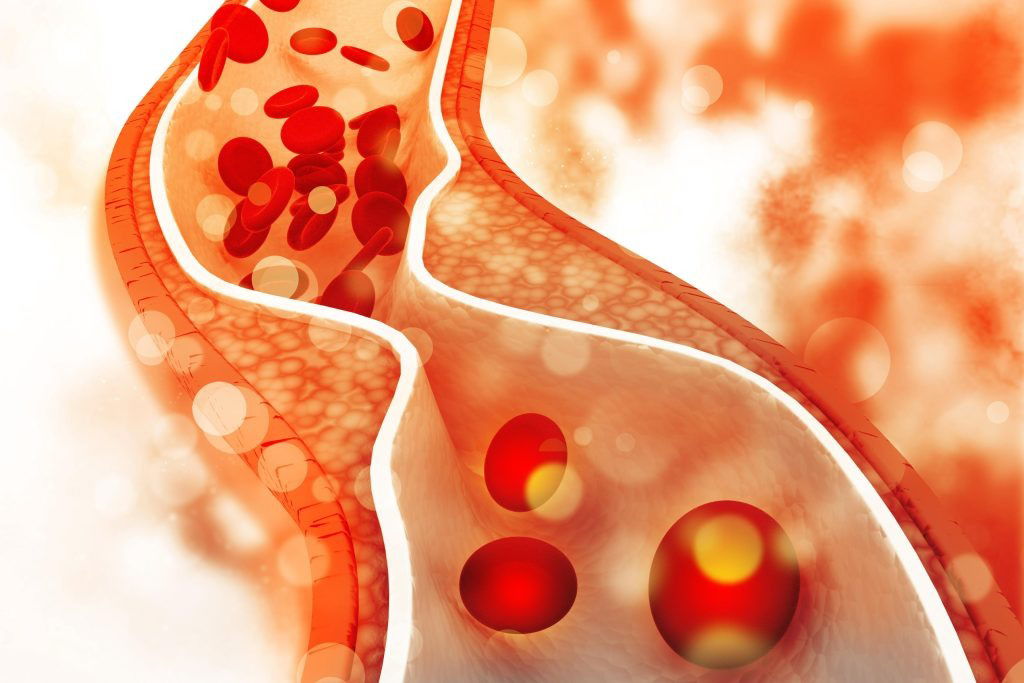
Excess cholesterol, particularly LDL, can severely impact heart health. It contributes to plaque accumulation in the arteries, narrowing them and restricting blood flow—a condition called atherosclerosis.
This reduced circulation can lead to heart attacks, strokes, and other cardiovascular problems.
High cholesterol can also worsen conditions like high blood pressure and diabetes, making overall health management more complicated.
Smart Eating to Lower Cholesterol
To reduce cholesterol naturally, aim to eat more fruits, vegetables, whole grains, and lean protein sources.
Foods high in soluble fiber—such as oats, legumes, apples, and pears—can effectively lower LDL.
Replace unhealthy fats with heart-friendly ones like those found in olive oil, avocados, and nuts. Limit saturated and trans fats commonly found in processed foods, red meat, and full-fat dairy.
Eating omega-3-rich fish like salmon or mackerel can also contribute to better heart health.
The Role of Exercise in Cholesterol Control
Regular physical activity can help raise HDL (good cholesterol) while lowering LDL and triglycerides.
Experts recommend at least 150 minutes per week of moderate-intensity activities like walking or biking, or 75 minutes of more vigorous exercise such as running or swimming.
Beyond improving cholesterol, exercise supports heart function, weight management, and stress reduction.
The Impact of Stress and Sleep

Chronic stress and poor sleep habits can negatively influence cholesterol levels. Stress may lead to poor dietary choices and increased LDL.
Practicing relaxation methods like yoga, meditation, or breathing exercises can help.
Additionally, getting 7 to 9 hours of quality sleep nightly supports overall health and helps maintain better cholesterol levels.
Natural Supplements That May Help
Some natural supplements can support healthy cholesterol levels. Plant sterols and stanols reduce cholesterol absorption in the gut, while soluble fiber supplements like psyllium and omega-3 fish oil may also help.
It’s important to consult a doctor before starting any supplements, as they might not be suitable for everyone or could interfere with medications.
Monitoring Your Cholesterol
Keeping an eye on your cholesterol through regular testing is key. A lipid panel blood test checks your total cholesterol, LDL, HDL, and triglycerides.
Adults over age 20 should be screened every 4 to 6 years, or more frequently if risk factors for heart disease are present.
Tracking these numbers helps determine how effective your lifestyle changes are.

When Medication Becomes Necessary
If diet and lifestyle adjustments aren’t enough, your healthcare provider may recommend medication.
Statins are the most common, but other options include cholesterol absorption inhibitors, bile acid sequestrants, and PCSK9 inhibitors.
It’s essential to have a conversation with your doctor about the benefits and risks before beginning any drug regimen.
Working with Your Doctor
Managing high cholesterol is most effective when done with the guidance of your healthcare team.
They can help you create a personalized plan that includes nutrition, physical activity, lifestyle habits, and medications if needed.
Regular check-ins will help you stay on track and make necessary adjustments.
Building Lasting Habits
Maintaining healthy cholesterol levels requires a long-term commitment to a healthy lifestyle.
This means balanced nutrition, regular movement, managing stress, and prioritizing good sleep.
With ongoing monitoring and support from your healthcare team, these habits can help protect your heart and enhance your overall well-being.
