Nancy Sinatra grew up in the public eye as the daughter of one of the most recognizable figures in music history. From an early age, expectations followed her closely, and many assumed her career would always exist in comparison to her father’s legacy. Her earliest recordings struggled to gain momentum, and critics questioned her direction.
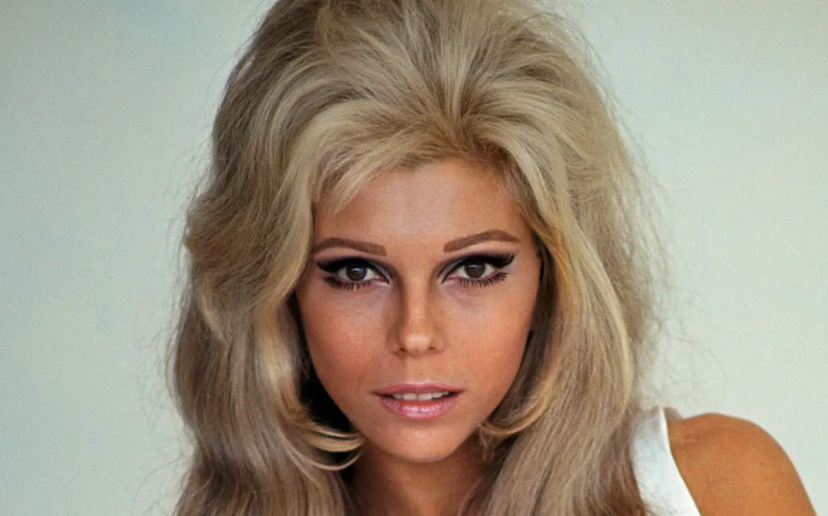
Instead of stepping away, she treated those early setbacks as a chance to reshape her identity and refine her artistic voice. A turning point came when she began working with producer Lee Hazlewood. Together, they crafted a sound that was bold, confident, and unmistakably her own. Moving away from conventional pop, she embraced music that highlighted independence and strength.
The shift resonated widely, leading to major success and firmly establishing her as a leading artist rather than a famous surname. As her career progressed, Sinatra made deliberate choices about balance. She stepped back from the spotlight at times, prioritizing family and personal fulfillment over constant visibility. These decisions allowed her to maintain control of her career while preserving creative freedom and long-term satisfaction.

In later years, she returned to public projects with fresh perspective, collaborating across generations and celebrating musical heritage without being defined by it. Through recordings, writing, radio work, and recognition, she demonstrated that longevity comes from adaptability. Nancy Sinatra’s journey reflects resilience, reinvention, and the confidence to define success on her own terms.
