Federal court filings now paint a far grimmer picture than anyone in the district could have imagined.
What initially appeared to be the meteoric rise of a scrappy outsider — a promising new member of Congress — may instead have been quietly supported by diverted pandemic‑relief funds and carefully orchestrated deception.
With each newly unsealed document, more questions emerge: Who knew about the alleged misconduct?
When did they know it? And just how far into her inner circle and trusted advisers did these activities penetrate?
Taken together, the criminal charges, ethics inquiries, and state‑level lawsuits paint a disturbing convergence of legal, political, and reputational risk — a scenario that would challenge even the most seasoned public official.
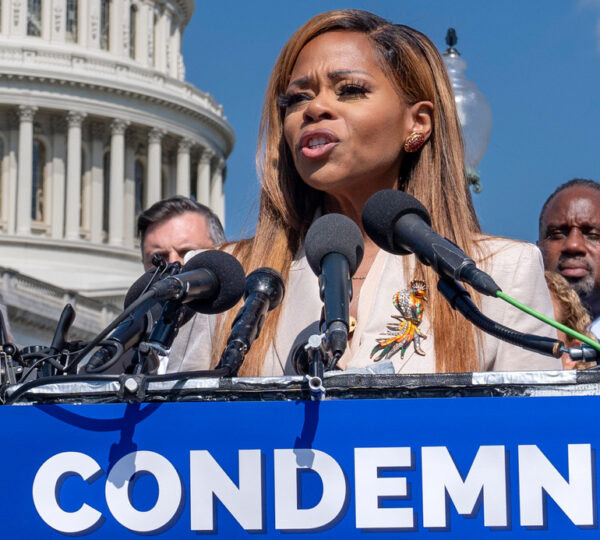
That these revelations involve someone relatively new to Congress only amplifies the shock and scrutiny, both locally and nationally, and raises broader questions about how emerging politicians navigate complex intersections of public service and private enterprise.
At the heart of the indictment are emergency federal funds designed to stabilize communities devastated by the COVID‑19 pandemic.
These funds were intended to support small businesses, healthcare providers, and vulnerable populations in urgent need of assistance.
Prosecutors allege, however, that rather than reaching those communities, significant portions of the funds were redirected through a family‑owned business associated with the official.
According to the filings, the company processed overpayments from the federal relief program — payments meant to address real-world needs — and instead, large sums were allegedly rerouted into campaign contributions and personal enrichment.
The legal documents provide a detailed account of how the scheme allegedly worked.
The family company reportedly received a federal “overpayment” under a COVID‑19 contract. Some of these funds were then transferred through multiple accounts, sometimes disguised via complex financial transactions, including through “straw donors,” to obscure the trail.
Ultimately, these redirected funds were used to bolster a narrowly won congressional campaign, giving the official both a political and financial advantage at a critical moment.
Additionally, the indictment accuses the official and close associates of filing false federal tax returns.
These returns allegedly mischaracterized personal and campaign expenditures as legitimate business deductions and overstated charitable contributions to reduce taxable income.
Such actions, if proven, could constitute serious violations of federal law and raise significant ethical concerns regarding the blending of personal, political, and business finances.
If these allegations are confirmed, they would expose major vulnerabilities in the oversight of federal relief programs.
During the pandemic, emergency funds were distributed at unprecedented speed and scale — often with minimal auditing or verification — leaving room for potential misuse.
Government audits and watchdog reports had repeatedly warned that the urgent pace of relief distribution, combined with insufficient oversight, created opportunities for fraud and misappropriation of funds.
The case underscores the risks inherent in large-scale, rapid-response programs and the critical need for transparent accountability mechanisms.
Beyond the legal and financial dimensions, the case highlights a more insidious dynamic:
the entanglement of personal business interests, campaign finance, and constituent service.
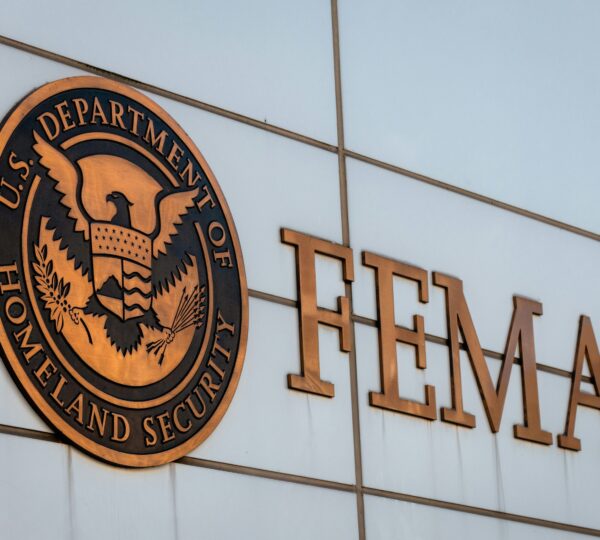
When a family-owned enterprise sits at the center of a lawmaker’s financial life, questions arise about conflicts of interest, misuse of authority, and whether public trust can be maintained.
What began as a legitimate business and a vehicle for federal relief now faces allegations of political exploitation, threatening the credibility of both the official and the programs designed to help the most vulnerable.
As the case moves forward, multiple fronts will determine the outcome.
Criminal proceedings in federal court will explore whether laws governing fraud, campaign finance, and tax reporting were violated.
A formal ethics investigation by Congress may impose disciplinary measures independent of the courts. Meanwhile, state-level authorities could pursue civil or regulatory actions.
Even before a verdict, the political and public fallout is significant, shaking trust among constituents and heightening scrutiny of lawmakers nationwide.
Regardless of the final legal outcome — whether acquittal, conviction, or a negotiated settlement — this episode is likely to leave a lasting imprint on American politics.
It serves as a stark reminder that transparency, accountability, and rigorous oversight are essential in the administration of public funds, particularly during times of crisis.
Lawmakers, watchdog agencies, and the public may respond with renewed calls for:
Tighter auditing and reporting requirements for emergency-relief spending, ensuring that funds reach their intended recipients;
Clearer separation between personal business dealings and campaign or official activities, reducing the potential for conflicts of interest;
Comprehensive reforms to disaster-relief and rapid-response funding mechanisms, designed to minimize the risk of fraud, misuse, or misallocation.
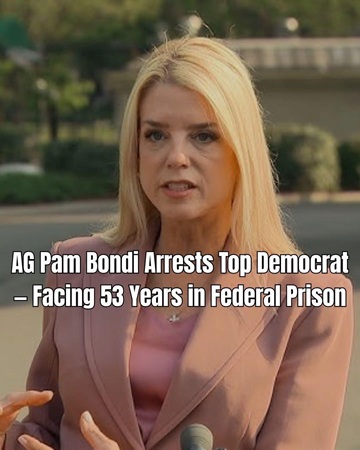
In many ways, the case serves as a cautionary tale for both new and established public officials.
It illustrates how the urgency and scale of crisis-driven spending can create opportunities for exploitation, and how quickly the line between public service and private gain can blur when oversight mechanisms fail.
For the American public, the unfolding story is a sobering reminder that the integrity of government programs relies not only on good intentions but also on transparency, ethical conduct, and vigilant enforcement.
Whether the courts ultimately substantiate the allegations or not, the breach of trust perceived by constituents may take years to repair.
Meanwhile, this case is likely to fuel ongoing debates about campaign finance reform, federal auditing practices, and safeguards for emergency funding — ensuring that the lessons learned will resonate far beyond a single election cycle.
In sum, this is not simply about one lawmaker or one district.
It is a window into systemic vulnerabilities in federal oversight, the complex interplay between private interests and public service, and the enduring importance of accountability in preserving the public’s faith in government institutions.
Federal court filings now paint a far grimmer picture than anyone in the district could have imagined.
What initially appeared to be the meteoric rise of a scrappy outsider — a promising new member of Congress — may instead have been quietly supported by diverted pandemic‑relief funds and carefully orchestrated deception.
With each newly unsealed document, more questions emerge: Who knew about the alleged misconduct?
When did they know it? And just how far into her inner circle and trusted advisers did these activities penetrate?
Taken together, the criminal charges, ethics inquiries, and state‑level lawsuits paint a disturbing convergence of legal, political, and reputational risk — a scenario that would challenge even the most seasoned public official.
That these revelations involve someone relatively new to Congress only amplifies the shock and scrutiny, both locally and nationally, and raises broader questions about how emerging politicians navigate complex intersections of public service and private enterprise.
At the heart of the indictment are emergency federal funds designed to stabilize communities devastated by the COVID‑19 pandemic.
These funds were intended to support small businesses, healthcare providers, and vulnerable populations in urgent need of assistance.
Prosecutors allege, however, that rather than reaching those communities, significant portions of the funds were redirected through a family‑owned business associated with the official.
According to the filings, the company processed overpayments from the federal relief program — payments meant to address real-world needs — and instead, large sums were allegedly rerouted into campaign contributions and personal enrichment.
The legal documents provide a detailed account of how the scheme allegedly worked.
The family company reportedly received a federal “overpayment” under a COVID‑19 contract. Some of these funds were then transferred through multiple accounts, sometimes disguised via complex financial transactions, including through “straw donors,” to obscure the trail.
Ultimately, these redirected funds were used to bolster a narrowly won congressional campaign, giving the official both a political and financial advantage at a critical moment.
Additionally, the indictment accuses the official and close associates of filing false federal tax returns.
These returns allegedly mischaracterized personal and campaign expenditures as legitimate business deductions and overstated charitable contributions to reduce taxable income.
Such actions, if proven, could constitute serious violations of federal law and raise significant ethical concerns regarding the blending of personal, political, and business finances.
If these allegations are confirmed, they would expose major vulnerabilities in the oversight of federal relief programs.
During the pandemic, emergency funds were distributed at unprecedented speed and scale — often with minimal auditing or verification — leaving room for potential misuse.
Government audits and watchdog reports had repeatedly warned that the urgent pace of relief distribution, combined with insufficient oversight, created opportunities for fraud and misappropriation of funds.
The case underscores the risks inherent in large-scale, rapid-response programs and the critical need for transparent accountability mechanisms.
Beyond the legal and financial dimensions, the case highlights a more insidious dynamic:
the entanglement of personal business interests, campaign finance, and constituent service.
When a family-owned enterprise sits at the center of a lawmaker’s financial life, questions arise about conflicts of interest, misuse of authority, and whether public trust can be maintained.
What began as a legitimate business and a vehicle for federal relief now faces allegations of political exploitation, threatening the credibility of both the official and the programs designed to help the most vulnerable.
As the case moves forward, multiple fronts will determine the outcome.
Criminal proceedings in federal court will explore whether laws governing fraud, campaign finance, and tax reporting were violated.
A formal ethics investigation by Congress may impose disciplinary measures independent of the courts. Meanwhile, state-level authorities could pursue civil or regulatory actions.
Even before a verdict, the political and public fallout is significant, shaking trust among constituents and heightening scrutiny of lawmakers nationwide.
Regardless of the final legal outcome — whether acquittal, conviction, or a negotiated settlement — this episode is likely to leave a lasting imprint on American politics.
It serves as a stark reminder that transparency, accountability, and rigorous oversight are essential in the administration of public funds, particularly during times of crisis.
Lawmakers, watchdog agencies, and the public may respond with renewed calls for:
Tighter auditing and reporting requirements for emergency-relief spending, ensuring that funds reach their intended recipients;
Clearer separation between personal business dealings and campaign or official activities, reducing the potential for conflicts of interest;
Comprehensive reforms to disaster-relief and rapid-response funding mechanisms, designed to minimize the risk of fraud, misuse, or misallocation.
In many ways, the case serves as a cautionary tale for both new and established public officials.
It illustrates how the urgency and scale of crisis-driven spending can create opportunities for exploitation, and how quickly the line between public service and private gain can blur when oversight mechanisms fail.
For the American public, the unfolding story is a sobering reminder that the integrity of government programs relies not only on good intentions but also on transparency, ethical conduct, and vigilant enforcement.
Whether the courts ultimately substantiate the allegations or not, the breach of trust perceived by constituents may take years to repair.
Meanwhile, this case is likely to fuel ongoing debates about campaign finance reform, federal auditing practices, and safeguards for emergency funding — ensuring that the lessons learned will resonate far beyond a single election cycle.
In sum, this is not simply about one lawmaker or one district.
It is a window into systemic vulnerabilities in federal oversight, the complex interplay between private interests and public service, and the enduring importance of accountability in preserving the public’s faith in government institutions.
