Brian Connolly was far more than the striking blond frontman of a chart-topping glam-rock band — he was a defining voice of the 1970s and one of the most charismatic performers of his generation.
As the lead singer of The Sweet, he helped create an unforgettable musical era marked by explosive stage energy, glitter-soaked fashion, and a catalogue of songs that still electrify audiences today.
But behind the fame, magazine covers, and sold-out arenas, Connolly lived a life marked by hardship, perseverance, and ultimately, tragedy.
His story is one of meteoric success followed by a slow, painful decline that many fans never fully knew about.
A Frontman Who Helped Shape the Sound of the 1970s
The Sweet emerged at the perfect moment in rock history. The early 1970s saw the rise of flamboyant glam-rock acts, theatrical performances, and bold experimentation.

Bands like Queen, T. Rex, Led Zeppelin, Slade, KISS, and Aerosmith dominated global stages, and Sweet fit seamlessly into this revolution.
With Andy Scott on guitar, Steve Priest on bass, Mick Tucker on drums, and Brian Connolly commanding the microphone, Sweet created a signature sound:
powerful guitars, crisp harmonies, memorable hooks, and Connolly’s unmistakable high-energy vocals.
Their music blended glam, hard rock, and pop in a way that felt both commercial and musically sophisticated.
Critics often said Sweet had the pop instincts of The Beatles but the heavy drive of Deep Purple.
The band enjoyed a long list of international hits, including:
“The Ballroom Blitz”
“Block Buster!”
“Fox on the Run”
“Teenage Rampage”
“Love Is Like Oxygen”
Their success was enormous. Sweet sold an estimated 50 million records worldwide, toured extensively across Europe, North America, Japan, and Australia, and appeared on countless television programs.
They were one of the few British glam-rock bands to break into the U.S. charts during that era, a significant achievement considering how competitive the American market was.
At the center of this success stood Brian Connolly — a charismatic singer whose voice, blond hair, and stage magnetism defined the visual and sonic identity of the band.
His ability to alternate between powerful high notes, smooth melodies, and gritty rock phrasing made Sweet instantly recognizable.
A Troubled Beginning: The Abandoned Infant Who Became a Star
Brian Connolly’s childhood stood in stark contrast to the glamour he later experienced.
Born in 1945 in Scotland under the name Brian McManus, he entered the world under difficult circumstances.
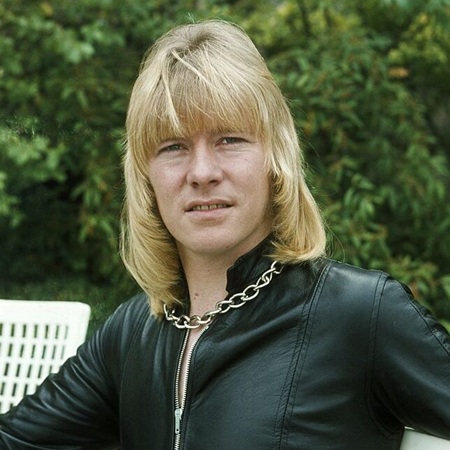
As an infant, he was abandoned and later adopted by a nurse and her husband in Glasgow.
His biological father’s identity remains unknown, and the details surrounding his early abandonment were never fully clarified.
For most of his childhood and teenage years, Connolly had no knowledge of his biological family.
Only when he reached adulthood did he discover that he was the half-brother of Scottish actor Mark McManus, best known for his role in the popular television crime series Taggart.
Their reunion brought some answers, but many aspects of Connolly’s origins remained a mystery throughout his life.
Growing up in Glasgow, he developed a love for music early on.
By his teenage years, Connolly had already started performing in local groups and clubs, refining his vocal skills and stage presence.
In the mid-1960s, he moved to London, attracted by the city’s vibrant music scene, which was producing some of the biggest acts in rock history.
The Formation of The Sweet and Worldwide Success
In 1968, Brian Connolly joined forces with guitarist Andy Scott, bassist Steve Priest, and drummer Mick Tucker to form what would become The Sweet.
The group quickly built a strong following, combining catchy songwriting with an image perfectly suited for the glam-rock era.
Under the guidance of songwriters Mike Chapman and Nicky Chinn during their early years, Sweet produced a series of hit singles that topped charts around the world.
Connolly’s voice became the centerpiece of their sound — strong, expressive, and instantly recognizable.
Guitarist Andy Scott later reflected on the band’s incredible financial and commercial success, explaining that Sweet had reached “millionaire status” during their peak years and saw significant earnings flow through their accounts.
They accumulated 39 international hits and 13 Top-20 singles in the UK, including the No. 1 single “Block Buster!”
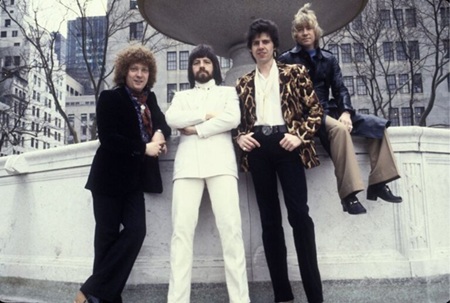
Connolly, with his iconic blond hair and confident stage presence, became the face of British glam rock.
Posters with his image covered teenage bedroom walls across Europe, and music magazines frequently placed him on their covers.
Behind the Fame: The Beginning of the Downward Spiral
Despite the massive success, tensions slowly built within the band. By the mid-to-late 1970s, Brian Connolly had developed a serious problem with alcohol.
His drinking began affecting rehearsals, live performances, and his relationship with other band members.
By 1979, the internal strain reached a breaking point. Connolly left The Sweet to pursue a solo career, hoping to rediscover artistic independence and rebuild his musical identity.
Unfortunately, this departure — intended to be a new beginning — became the turning point that marked the beginning of his decline.
His solo singles did not achieve chart success, and without the support of a major band behind him, Connolly struggled to maintain the stability he once enjoyed.
Financial Hardship and Mounting Health Problems
The early 1980s were especially difficult for Connolly. In 1983, he landed an opportunity to support Pat Benatar for a series of major British concerts.
But at the same time, he was confronted with a massive tax bill related to earnings from his years with Sweet.
The financial burden was so significant that he was forced to sell his house to pay off debts.
Alongside these money troubles, Connolly’s health deteriorated rapidly.
A series of medical crises
Beginning in 1981, Brian experienced severe and life-threatening health complications:
He suffered multiple heart attacks.
He developed extreme bloating and fluid retention.
He experienced partial paralysis on his left side.
Neurological damage led to long-term mobility and coordination issues.
Doctors later suggested that years of heavy alcohol use had severely damaged his heart, nervous system, and liver.
Despite this, Connolly continued performing throughout the 1980s with a re-formed version of Sweet known as The New Sweet.
While loyal fans continued to attend his concerts, it became clear that his physical condition made touring increasingly difficult.
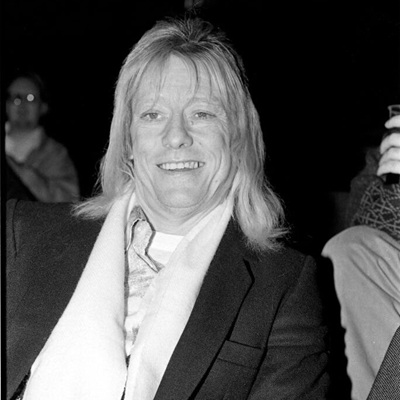
During a 1990 tour in Australia, he collapsed from dehydration and required hospitalization. Medical staff warned that his body was no longer capable of withstanding the strenuous demands of touring.
Legal Battles and a Fragmented Legacy
To make matters worse, Connolly became involved in legal disputes over the rights to the name “The Sweet.” This dispute resulted in two separate touring groups:
Brian Connolly’s Sweet
Andy Scott’s Sweet
These conflicts consumed time, energy, and money — resources Connolly could ill afford to lose.
His income decreased, legal costs increased, and he struggled to maintain financial security.
Despite these difficulties, he continued performing, often in small venues far from the grand arenas of his 1970s fame.
Fans who saw him in these years often expressed sadness, noting the stark contrast between the once-vibrant star and the frail, trembling figure who now stood onstage.
A Final Attempt at a Comeback
In 1995, Brian Connolly released a solo album titled Let’s Go.
While it received positive feedback from some fans and critics, it did not achieve commercial success.
Still, it represented Connolly’s determination to continue creating music despite his declining health.
That same year, he welcomed a new child with his partner Jean — a moment of personal happiness during a difficult period.
In 1996, he appeared in a Channel 4 documentary titled Don’t Leave Me This Way, where he spoke candidly about his health battles and admitted that alcohol had taken a heavy toll on his body.
He revealed that he had suffered many heart attacks over the years, while others close to him described even more extensive episodes.
The Final Interview and Last Performance
By the mid-1990s, Connolly’s transformation was heartbreaking.
He moved slowly, shook visibly, and his voice no longer carried the power it once had.
In his final interview with journalist Jasper Rees, he spoke openly about the pressures of fame, the challenges he faced during Sweet’s peak, and the physical consequences of years of illness.
He was living alone in a quiet residential area, far from the spotlight that once defined his life.
His days were often spent isolated, dealing with chronic pain, fatigue, and mobility issues.
His final concert took place on December 5, 1996, at the Bristol Hippodrome — a symbolic full circle for a man who had once performed on some of the biggest stages in the world.
Just over two months later, on February 9, 1997, Brian Connolly passed away at Wexham Park Hospital. The causes included:
kidney failure
liver failure
multiple heart attacks
Doctors noted that the damage from years of alcohol use had played a significant role in the deterioration of his organs.
A Legacy That Continues to Inspire
After his passing, devoted fans raised funds to create a memorial plaque for Connolly at Breakspear Crematorium.
The plaque became a quiet place where admirers could pay their respects to a man whose voice once filled arenas.
Decades later, Sweet’s music continues to reach millions through radio, streaming platforms, and film soundtracks.
Younger generations continue to discover the band’s energy, style, and unique musical blend.
Connolly’s vocals remain central to this legacy — a symbol of the era when glam rock ruled the world.
Brian Connolly’s life was defined by brilliance and pain; by international fame and personal struggle.
He was a global superstar whose voice helped define the sound of the 1970s, yet his later years were marked by ill health, financial difficulty, and quiet isolation.
His story is a reminder of how quickly fame can fade, but also how powerful music can be in creating a lasting legacy.
Even though his life ended tragically, the songs he recorded continue to keep his memory alive — ensuring that Brian Connolly remains one of the iconic voices of rock history.
