“I Promised I’d Bring Her Home”: Maria Bartiromo’s Emotional Decision to Move Her Mother Out of Assisted Living and Into Her Own Care

For years, Maria Bartiromo has been one of the most recognizable faces in American media—commanding interview chairs, moderating political debates, and navigating the relentless pace of national television. But behind the lights, the control room, and the breaking-news alerts, she was quietly facing a far more personal crisis: watching her mother grow older inside an assisted-living facility and realizing, with rising dread, that something didn’t feel right.
The decision that followed would change everything.
Bartiromo made the choice to move her elderly mother out of assisted living and into her own home, assuming full responsibility as her primary caregiver. It wasn’t a symbolic gesture. It wasn’t temporary. It was a life-altering commitment—one rooted in fear, love, guilt, and a promise made years earlier.
And it nearly broke her.
Maria has spoken openly about the moment she realized she could no longer leave her mother where she was. After the death of her father, her mother’s health and memory began to decline more rapidly. At first, the assisted-living facility seemed like the safest solution—a place with round-the-clock care, medical supervision, and structure. But as months passed, Maria noticed troubling changes.
“She wasn’t herself,” Maria later said. “Every time I visited, she seemed more distant. More confused. More unlike the woman who raised me.”
What alarmed her most was the medication.
“She was heavily medicated,” Bartiromo explained. “Too heavily. I kept asking questions. I kept pushing. And I couldn’t get answers that made sense.”
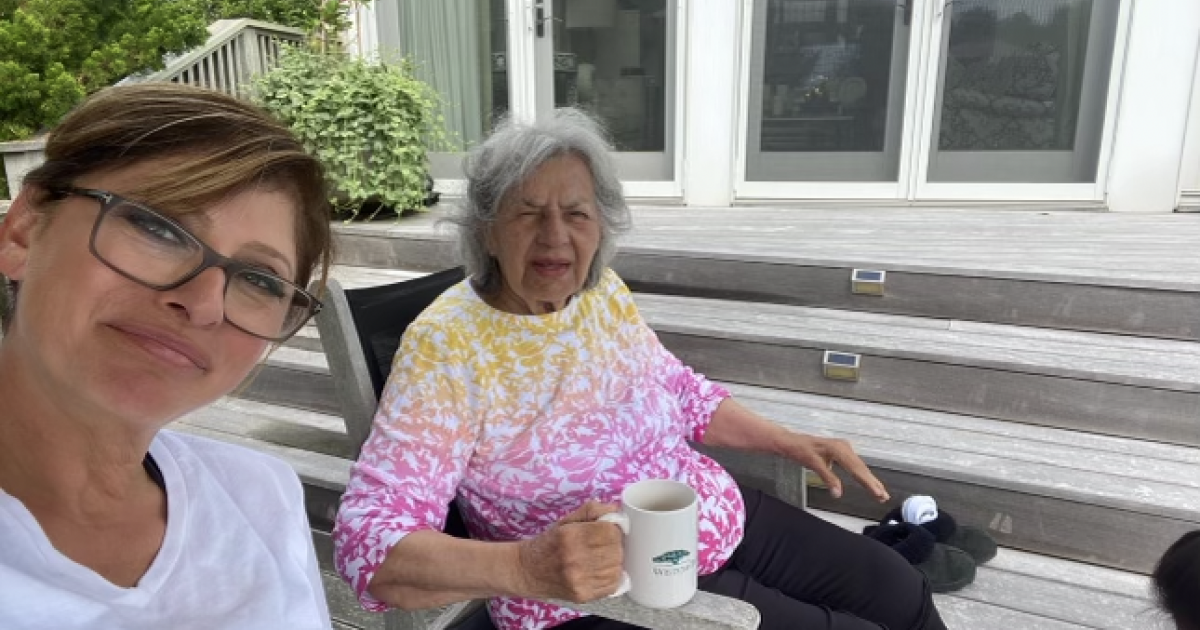
At one point, Maria says her mother turned to her and said something that shattered her: “Please don’t leave me here.”
That moment tipped everything.
Years earlier, her mother had once made a quiet, simple request: when the time came, she didn’t want to be placed in a facility. She wanted to be with family. Maria promised she would honor that wish. At the time, it felt far away. Now it was staring her in the face.
“I remembered that promise,” Maria said. “And I realized I was running out of time to keep it.”
The decision to bring her mother home was not welcomed with universal enthusiasm. Friends worried about the physical and emotional strain. Colleagues questioned how she would balance a brutal television schedule with full-time caregiving. Medical professionals warned her about burnout.
But Maria didn’t hesitate.
“I didn’t care how hard it was going to be,” she said. “I cared that she was scared. And when your mother is scared, everything else becomes noise.”
The day Maria removed her mother from the facility was both a rescue and a reckoning. She packed up decades of belongings—family photos, folded sweaters, handwritten recipes, rosary beads worn smooth by years of prayer. When she walked her mother out the front door, she says her mother squeezed her hand tightly the entire way, as if afraid the moment would vanish.
When they arrived at Maria’s home, her mother reportedly looked around and whispered, “I’m safe now.”

That sentence alone made the entire ordeal worth it.
But safety came at a steep cost.
Within days, Maria discovered just how fragile her mother had become. Simple tasks—standing up, walking across a room, remembering meals—now required constant monitoring. Maria had to relearn her own mother’s rhythms, moods, fears, and needs.
“I had to figure out her medications, her mobility, her sleep patterns,” Maria said. “I became a nurse, a daughter, a scheduler, a guard, all at once.”
She often woke in the middle of the night just to check if her mother was breathing. She rearranged her home for accessibility, installed safety features, coordinated with visiting doctors, and adjusted her work schedule as much as possible.
“There were days I went from Wall Street to the kitchen floor in the same evening,” she said. “From interviewing presidents to helping my mother sit up in bed.”
The emotional toll was relentless.
Maria described moments of anguish watching the woman who once ran an entire restaurant, raised a family, and anchored every holiday tradition slowly lose pieces of herself.
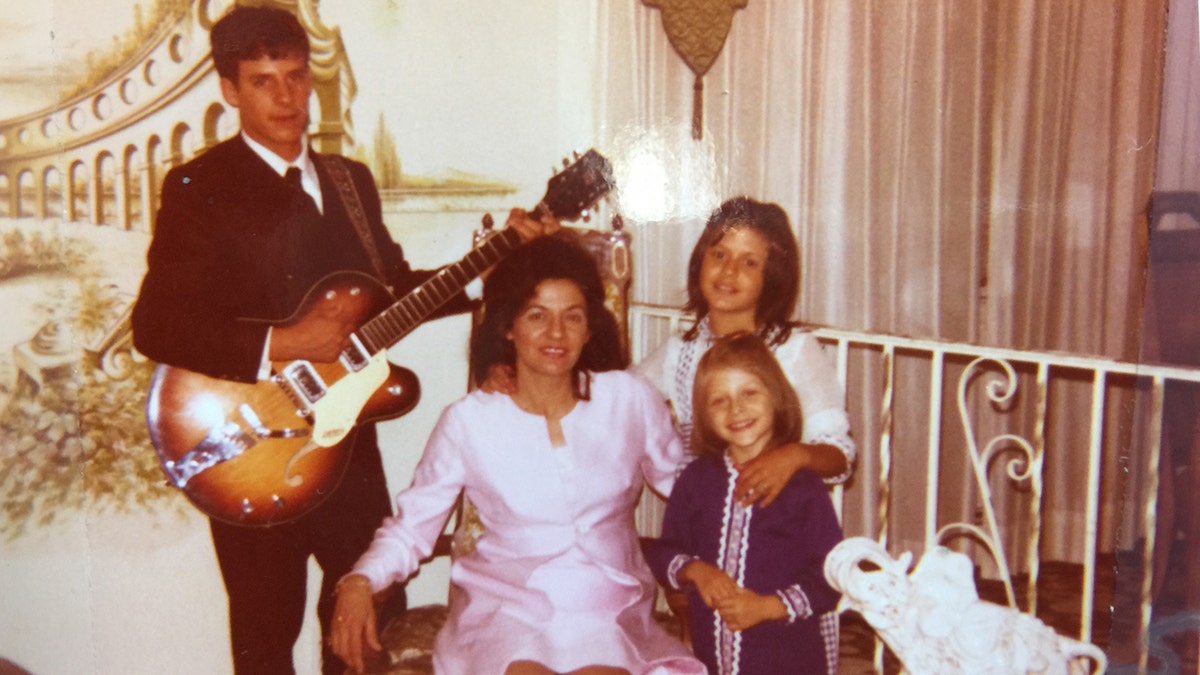
“You don’t expect to become the parent to your parent,” she said. “But that’s exactly what happens.”
Despite the stress, Maria has also spoken about the unexpected intimacy that returned between them. With no staff, no rotating nurses, no facility rules, the two women rediscovered quiet moments together—watching television, folding laundry, talking about childhood memories that surfaced only at night.
Sometimes her mother would suddenly recognize her fully for a few minutes and say, “You’re such a good daughter.” Other times, confusion returned just as quickly.
“It’s like loving someone through fog,” Maria said. “You see glimpses of who they were—and then it shifts again.”
The facility continues to loom in the background of the story, not as a villain, but as a catalyst. Maria has been careful not to accuse it of wrongdoing directly. But she has been clear about one thing: her mother deteriorated faster there than she ever expected.
“I’m not saying every place is bad,” she said. “But I’m saying you have to be vigilant. You have to ask questions. You have to trust your instincts when something feels off.”
The decision to speak publicly about her experience was not easy. Maria worried about sounding judgmental, about offending professionals, about exposing her family’s most vulnerable chapter. But she chose transparency anyway.
“I realized how many people are silently going through this,” she said. “Working full-time. Raising kids. Caring for parents. Feeling guilty all the time. I wanted them to know they’re not alone.”
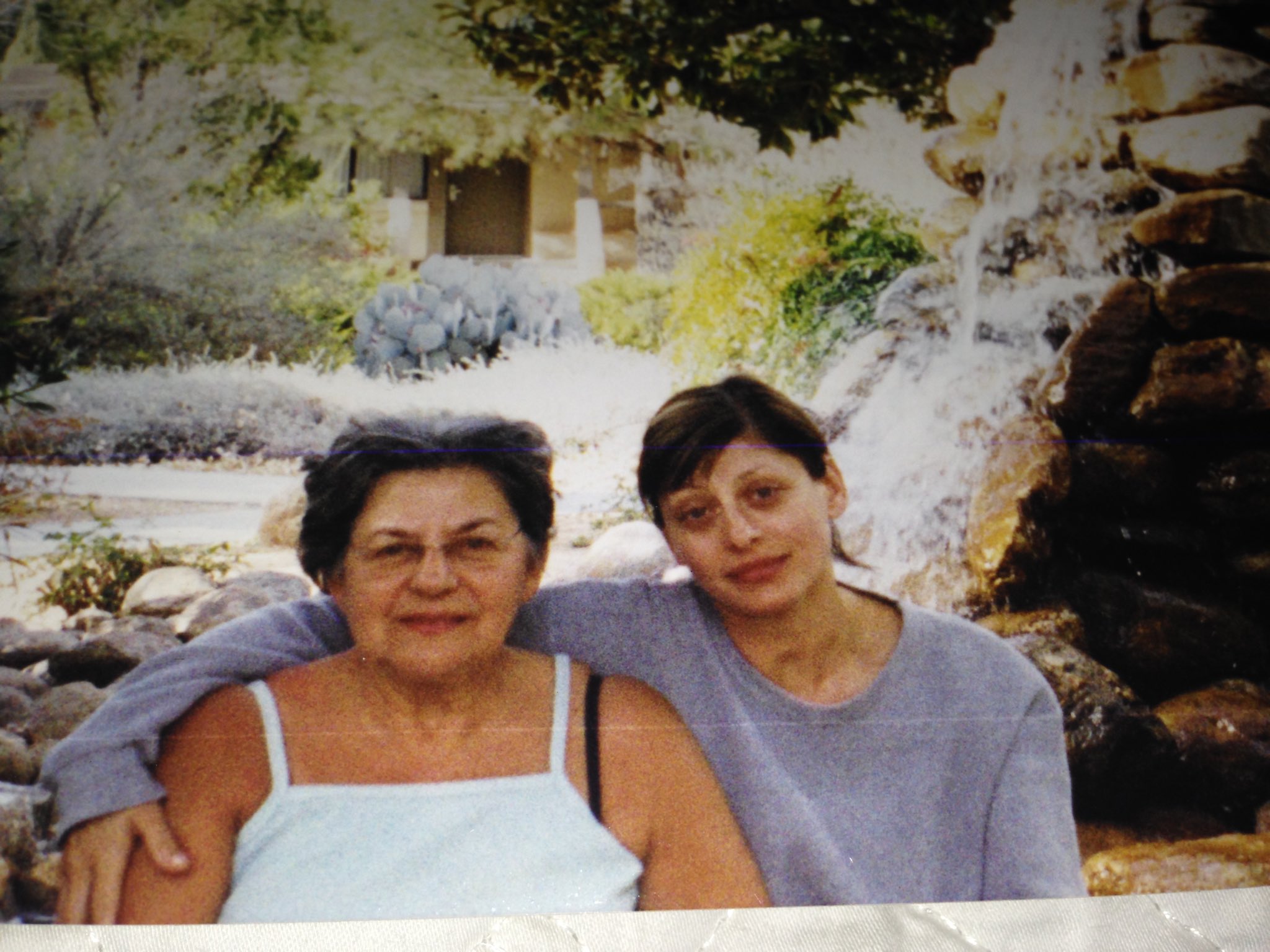
The guilt, she admits, never fully leaves.
“You wonder if you waited too long. You wonder if they lost time you can’t give back,” she said. “But you do the best you can with the information you have.”
Her mother is now in her nineties, living under Maria’s roof, surrounded by familiar sounds and voices. She no longer sits in a communal dining room with strangers. She eats at her daughter’s table. She no longer waits for scheduled visits. Her family is around her every day.
“She knows where she is now,” Maria said. “And that matters more than I can explain.”
The shift has reshaped Maria’s worldview in ways she didn’t anticipate. Issues like elder care, dignity, aging, and family responsibility have moved from abstract to visceral. She has spoken about how differently she now views time, success, and priorities.
“I used to measure days in interviews and segments,” she said. “Now I measure them in moments. Did she eat well? Did she laugh? Did she feel safe?”
There are days when exhaustion sets in. There are nights when fear creeps back. There are moments when grief arrives early, before loss has technically happened. But Maria does not regret the decision.
“Not for a second,” she said.
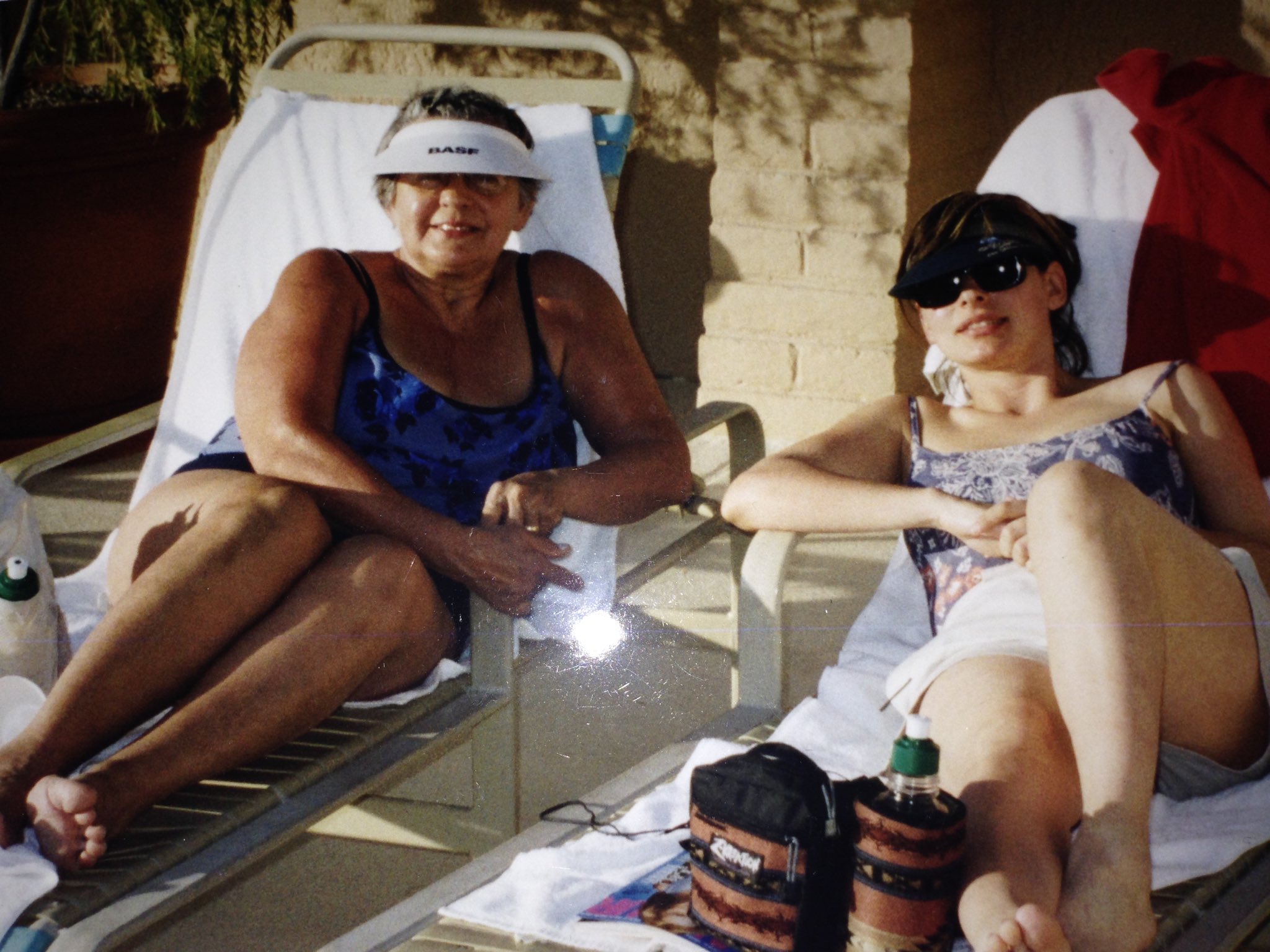
More than anything, she believes she restored something essential for her mother—control.
“She lost control of so many things,” Maria said. “But she didn’t lose her place in our family.”
In a profession defined by power, influence, and visibility, this may be the most defining chapter of Maria Bartiromo’s life—not one broadcast to millions, but one lived in quiet rooms, dim hallways, and the fragile space between memory and love.
And when asked what ultimately pushed her to act, Maria’s answer remains simple:
“She asked me to come get her,” she said. “And I did.”
