Speaker Mike Johnson has once again become the center of national irritation after an interview in which he portrayed himself as an exhausted, overworked victim of his own job — despite overseeing what is widely considered one of the least productive congressional sessions in modern American history. His remarks, filled with self-pity and complaints about phone calls, workload, and sleepless nights, were so dramatically out of proportion to his record that they triggered a wave of backlash the moment his comments became public.
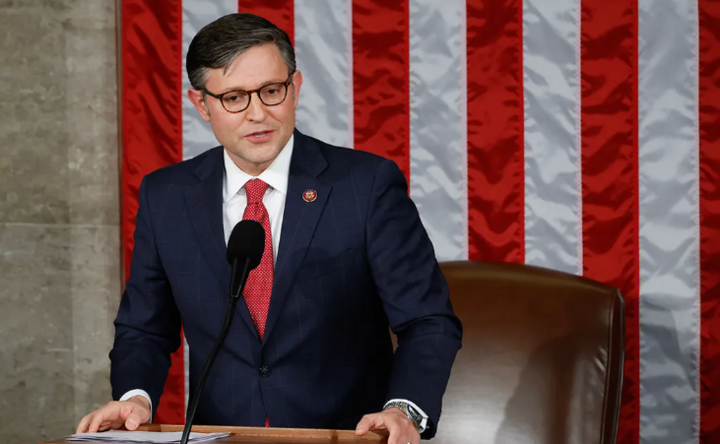
Johnson, speaking on a podcast hosted by Stephen Miller’s wife, lamented that he hasn’t had “a vacation day in two years,” claiming he has spent every waking moment consumed by his caucus’s endless “drama” and the crises that, in his telling, constantly fall into his lap. But to critics, his claims of martyrdom ring hollow — painfully hollow — given that Congress under his leadership has held only 87 voting days this year, placing it on track to become the second least active session in U.S. history, surpassed only by 2021, when COVID-19 restrictions limited normal operations.
His defenders would likely call that an unavoidable consequence of chaos in Washington. His critics — and there are many — argue instead that the lack of productivity is a direct reflection of Johnson’s inability to lead, his unwillingness to govern responsibly, and his insistence on placating a caucus beholden to Donald Trump’s whims. To them, Johnson’s crying about being overworked is not only tone-deaf but downright insulting in light of the real-world consequences of his legislative priorities.
Johnson’s one major legislative “achievement,” if one could even apply that word, is passing a sweeping tax cut package that overwhelmingly benefits the wealthy while decimating public services relied upon by millions. The bill guts social safety programs, shuts down rural hospitals by starving them of resources, raises healthcare costs for Medicare recipients already struggling to afford care, and strips food assistance from homeless veterans — people who have already sacrificed more than most Americans ever will. In the eyes of critics, it is a morally bankrupt bill masquerading as economic policy, one that prioritizes donors and elites while harming those who can least afford the damage.

Yet Johnson’s narrative on the podcast painted himself not as someone responsible for such harm but as a man crushed by duty. With dramatic flair, he described the emotional toll of the job, insisting that he is burdened beyond endurance. “I haven’t had a vacation day in two years. I haven’t been off in two years, literally,” he said, as though expecting sympathy from listeners. He recalled last Christmas, saying he spent the holiday taking phone calls from fellow Republicans dealing with personal and political crises. “It takes everything out of whomever serves in the position — and by extension, their family.”
He continued describing his endless interruptions and sleepless nights, as if doing the job he actively sought somehow made him the nation’s most tragic public servant. “Even when you think the work of the day is done and you put the phone down, it can be 11:30 at night — ‘ring ring,’ another crisis,” he said dramatically. “You’re sort of like a firefighter, in a way.”
To which critics have replied: Sure — if the firefighter’s job was to set things on fire and make people’s lives materially worse.
The image of Johnson, a man with immense power and influence, equating himself to first responders who run into burning buildings has been widely mocked as absurdly self-aggrandizing. For those struggling with the real-world consequences of the policies Johnson has championed — veterans losing food assistance, rural communities watching their hospitals shut down, seniors facing rising healthcare costs — the comparison feels almost grotesque.
But Johnson did not stop there. He also complained that people contact him far too often, implying that he is drowning under the weight of communication. “I think literally 100,000 people have my cellphone number,” he said. “The greatest challenge of my day is trying to keep up. Because I miss literally hundreds of calls and text messages in a day. The peril is, I don’t know how important it was, what I missed.”
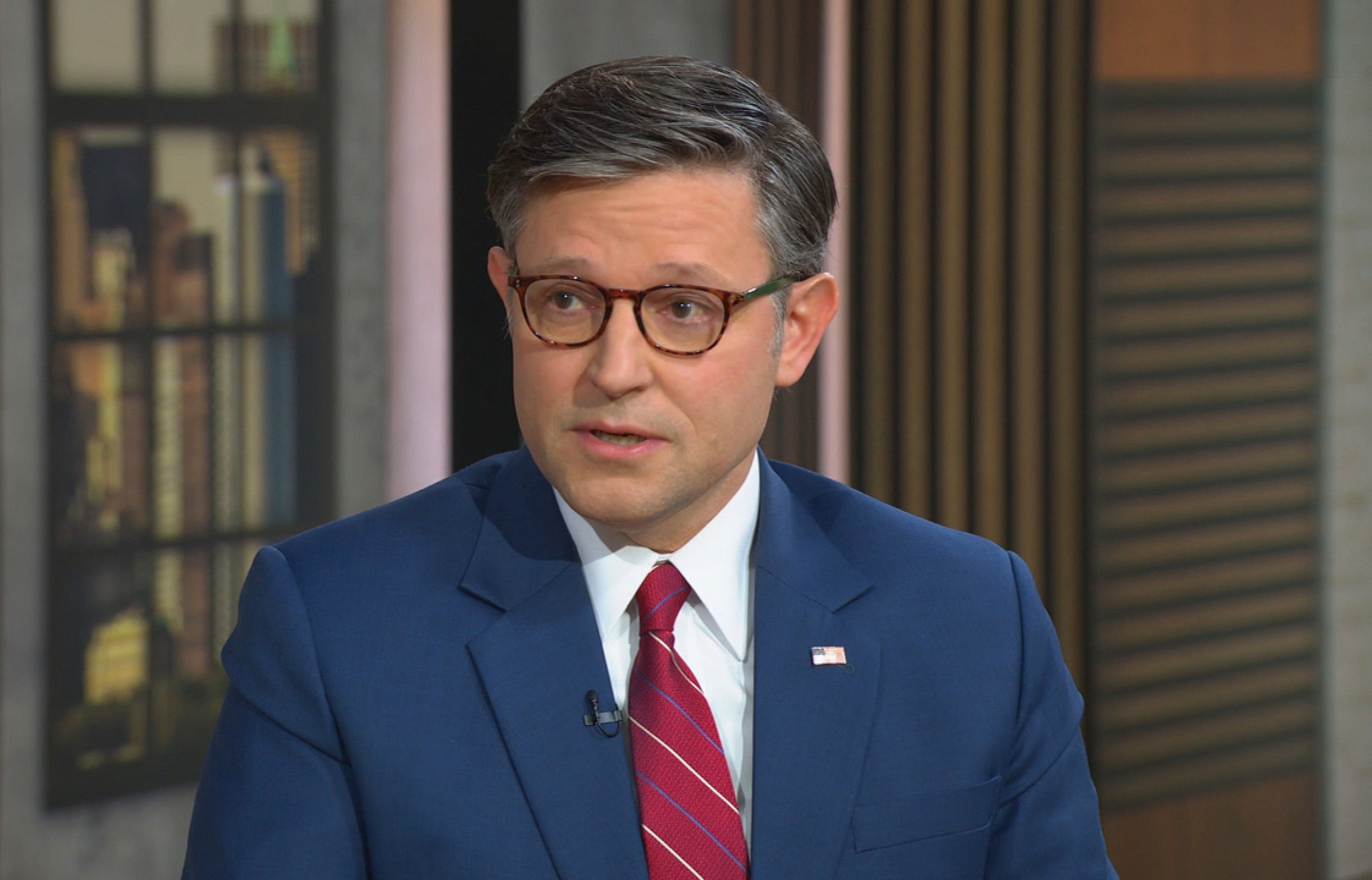
The irony was not lost on observers who were quick to point out that perhaps, given Johnson’s track record, the real peril lies in the calls he actually does answer, not the ones he ignores. Critics joked that the missed calls may well have protected countless people from the consequences of another ill-conceived policy decision.
As public frustration mounted, political commentators, activists, and everyday Americans alike voiced their anger at what they saw as his incredibly tone-deaf attempt to extract sympathy. At a time when so many Americans are working multiple jobs, dealing with medical debt, struggling to find affordable housing, caring for their families without adequate support, and facing a political system increasingly hostile to their needs, Johnson’s hand-wringing about his supposedly unbearable workload struck many as infuriating.
His critics argue that he has aligned himself uncritically with an administration and a political movement that is systematically attempting to dismantle the very institutions and protections that millions rely on. They accuse him of enabling policies that erode public safety, weaken regulatory protections, dismantle social programs, and allow widespread corruption and self-dealing by political allies — including former President Trump and the many figures around him who have faced criminal charges, ethical investigations, or public scandal.
To those critics, Johnson is not an overworked firefighter rushing to save the nation from disaster. He is, in their view, part of the group creating the disasters. They argue he has spent his tenure aiding efforts to tear down rules that protect ordinary people, undermining public services that keep society functioning, and enabling a political ethos that values power and loyalty over truth and public wellbeing.

Their message is blunt: spare us the self-pity.
For commentators already outraged by Johnson’s policies, hearing him portray himself as a victim felt like an insult added to injury. To them, he is no martyr — he is a willing participant in a political project aimed at cementing power and enriching elites, regardless of the human cost.
One critic summed up the national sentiment succinctly: “Boo f*cking hoo, Mike Johnson.”
The anger is not just about his comments; it is about what his leadership represents. In the eyes of his harshest detractors, Johnson is emblematic of a political class that cloaks harmful, regressive policy decisions in religious rhetoric, feigned humility, and performative piety while simultaneously supporting agendas that increase suffering for millions. His complaints about being overworked, they argue, are nothing more than an attempt to cast himself in a sympathetic light, even as he leads a Congress that has done next to nothing for the American people.
The final message from his critics could not be clearer: If the job is so miserable — if the pressure, phone calls, expectations, and responsibilities are all too much — then Johnson should do the country a favor and resign. They argue that if he is incapable of handling the role without whining about workload, if he is unable to lead effectively, and if his only significant output is a tax bill that harms vulnerable Americans, then he is not the servant-leader he claims to be.
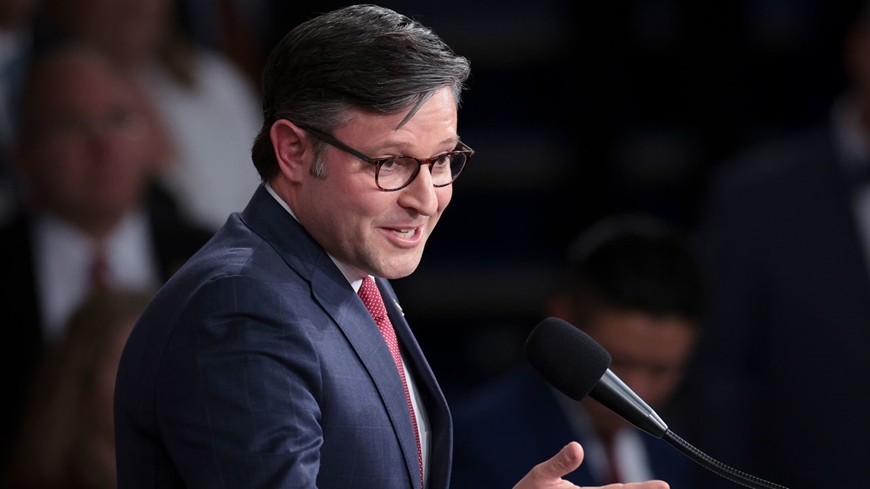
To them, the solution is simple:
If the job is too hard, step aside.
And let someone willing to work — and work for the public good — take the wheel.
