Marjorie Taylor Greene appeared before the media with the hard-edged confidence that has long defined her public persona, but as she began speaking about what her family has been facing, her voice caught for a moment. The shift was subtle but unmistakable — a sign that beneath her combative exterior, she was carrying something heavier than political frustration. In the midst of intensifying internal tensions within her own party and her worsening feud with Donald Trump, Greene made a stunning claim: that the former president had directly fueled a wave of death threats against her family, and more specifically, against one of her sons.
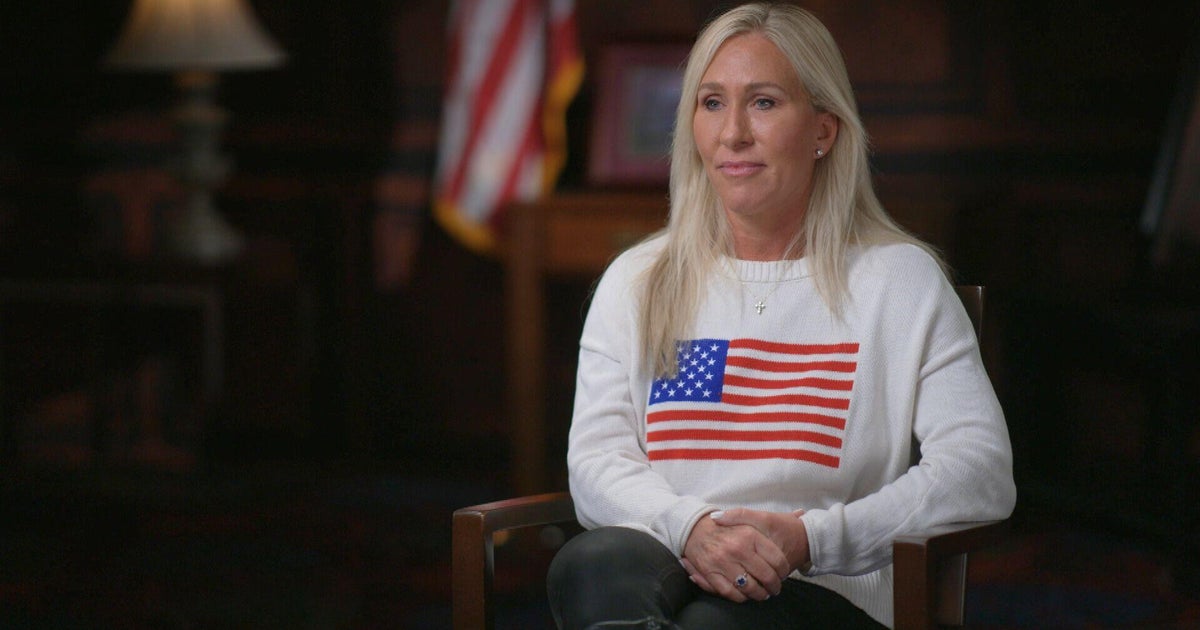
Greene delivered this accusation during a 60 Minutes interview with correspondent Lesley Stahl, who traced the arc of Greene’s relationship with Trump — from close ally to open critic. The break between them sharpened earlier this year, after Greene publicly condemned Trump’s handling of files connected to Jeffrey Epstein, the deceased sex offender whose name continues to reverberate through political circles. Their once-aligned political partnership unraveled quickly, culminating in Trump branding Greene a “traitor” in November. Shortly thereafter, Greene announced she would resign from Congress in early 2026, surprising even allies who assumed she would remain in the fight.
Stahl confronted her with that perception directly. “You decided not to stay and fight. You decided to give in,” she said.
Greene pushed back with a revelation that immediately darkened the tone of the interview. “After President Trump called me a traitor, I got a pipe bomb threat on my house. And then I got several direct death threats on my son,” she said. It was the first time she publicly described the level of risk her family had faced, and the bluntness of her words left little room for minimizing the seriousness of the situation. Stahl pressed her further, asking whether Greene truly believed Trump’s rhetoric had endangered her.
“You say the president put your life in danger,” Stahl said. “You blame him — you say he fueled a ‘hotbed of threats’ against you, and that you blame him for the threats against your son.”

Greene didn’t waver. “The subject line for the direct death threats against my son was his words — ‘Marjorie Traitor Greene.’ Those are death threats directly fueled by President Trump,” she replied. She did not identify which of her sons was targeted — the 22-year-old or the 26-year-old — nor provide specifics about the messages themselves. She also has a 27-year-old daughter, but the threats, she emphasized, were directed squarely at one of her sons.
Her restraint on details only added to the gravity of what she was describing. By not elaborating further, she left viewers to grapple with the implications of what political rhetoric can unleash when wielded recklessly by someone with Trump’s reach and influence. The atmosphere in the interview shifted from political analysis to something far more personal and fraught — a mother describing danger encroaching on her family because of the words of a man she once supported.
Greene said she informed Trump and Vice President JD Vance about the threats. According to her recounting, Vance reacted with concern and told her he would look into the matter. Trump, however, reportedly did not respond with sympathy. Greene told Stahl that Trump said something “wasn’t very nice,” and when Stahl pressed her to clarify, Greene finally relented and admitted his response was “extremely unkind.” She did not repeat what Trump said, but the tension in her voice made clear that the remark had left an impression.
CBS then played footage of Trump addressing reporters, scoffing at the idea that Greene’s safety was in jeopardy. He dismissed the notion with a curt remark: “Frankly, I don’t think anybody cares about her.” It was a striking contrast to Greene’s emotional account — and a reminder of how decisively their political alliance had collapsed.
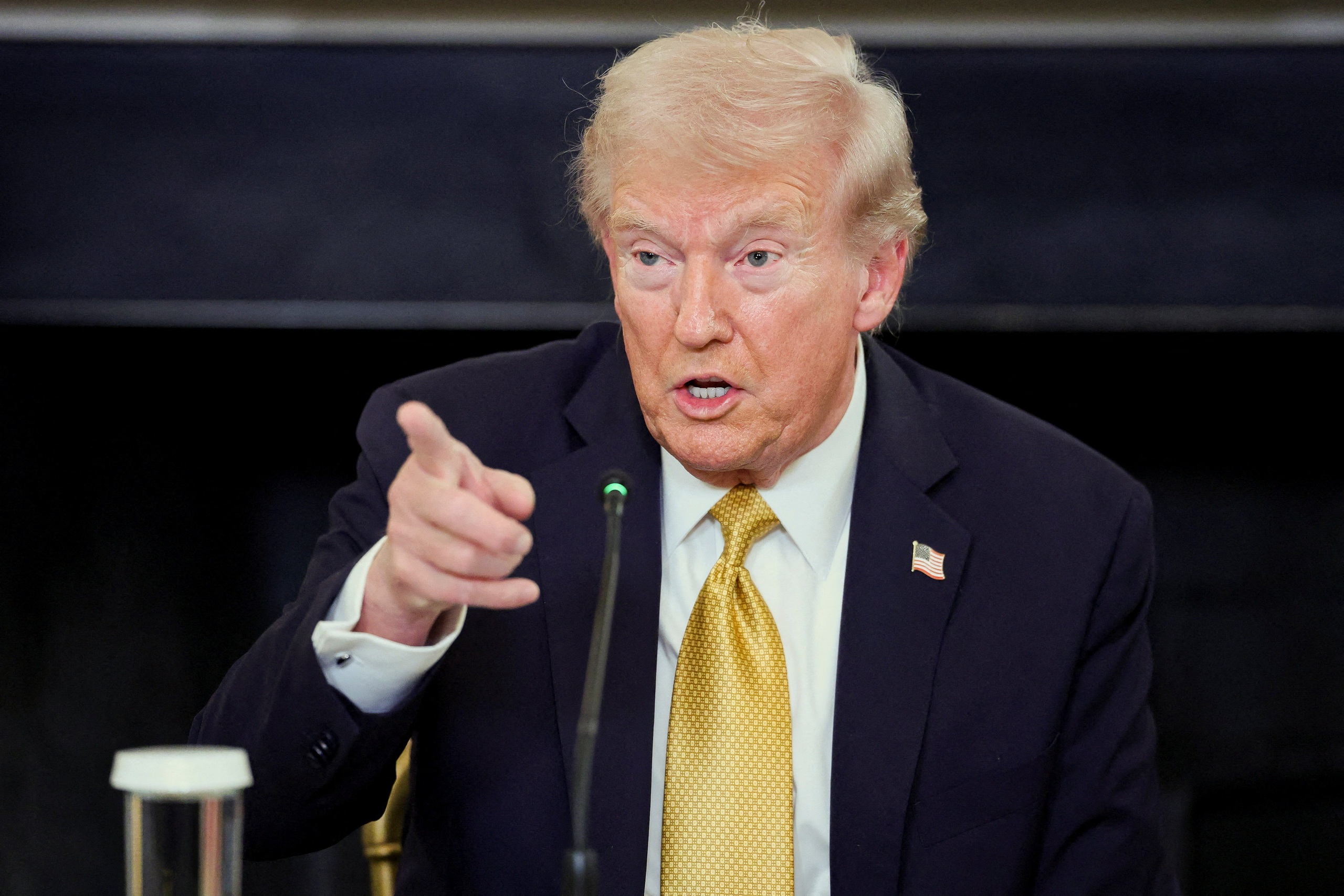
Greene’s accusation lands at a moment when rhetoric and personal safety are increasingly intertwined in American politics. Politicians from both parties have reported surges in violent threats, many tied to online radicalization, misinformation, and hyperpolarized discourse. But Greene’s case carries a unique dimension: she is accusing her own party’s standard-bearer, someone she once championed, of provoking threats against her children.
Her comments also underscore the emotional toll of the rift with Trump. For years, Greene positioned herself as one of his most vocal defenders, aligning closely with his messaging, echoing his grievances, and embracing confrontational tactics modeled on his political style. Her decision to break with him over the mishandling of Epstein-related materials marked a dramatic shift, and her resignation announcement only heightened perceptions of chaos within the Republican Party’s far-right flank.
What Greene said in the interview — and how she said it — suggests she is grappling with more than a political setback. She described being pushed out not by ideological differences but by fear for her family’s safety, fueled by rhetoric from the very figure she once supported. Her tone conveyed not only anger but disillusionment, as though she had finally acknowledged the cost of the political world she once embraced so fiercely.
The final moment of the interview, with Trump’s dismissive clip juxtaposed against Greene’s trembling accusation, crystallized the emotional charge of the conversation. It left viewers with a sense of unresolved danger and exposed the fragility of political alliances built on loyalty to personality rather than policy. Greene’s final words — that the threats were “directly fueled” by Trump — turned an internal political feud into something much more explosive.
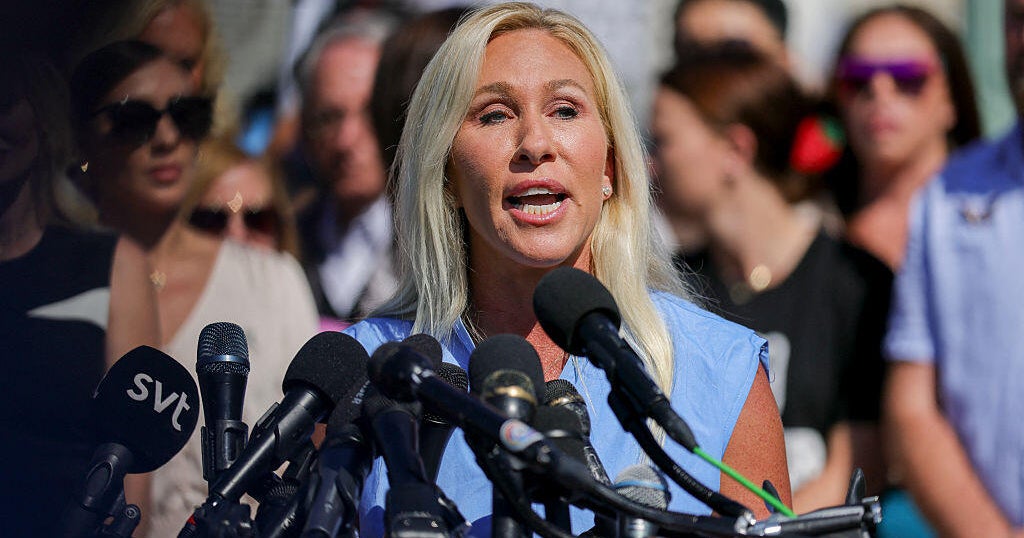
It also raised the question that now hovers over both figures: what happens when a movement built on intensity, confrontation, and absolutism turns that energy inward? Greene’s interview may not answer that question, but it forces the public to confront it — and that makes the story impossible to ignore.
