Ticks are small arachnids that feed on the blood of mammals, birds, and perhaps even reptiles and amphibians on occasion. There are diseases that ticks can carry that can be transmitted to humans by their bites, despite the fact that ticks may appear to be innocuous. Ticks must be removed and disposed of in an appropriate manner in order to reduce the likelihood of contracting diseases that are transmitted by ticks.
This is the issue with ticks.
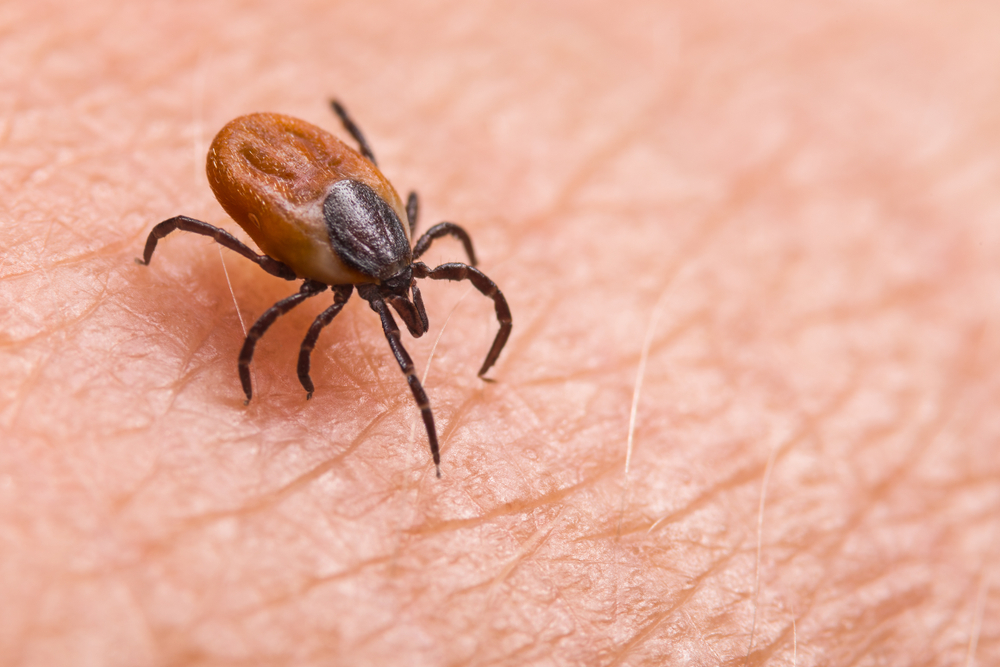
Several infections, including Lyme disease, Rocky Mountain spotted fever, and babesiosis, are transmitted by ticks, which are known to vector these diseases. Take precautions when dealing with ticks because these diseases can have severe repercussions if they are not treated, which is why it is essential to take precautions.
One of You Is Having a Tick On You – What Course of Action Should You Take?
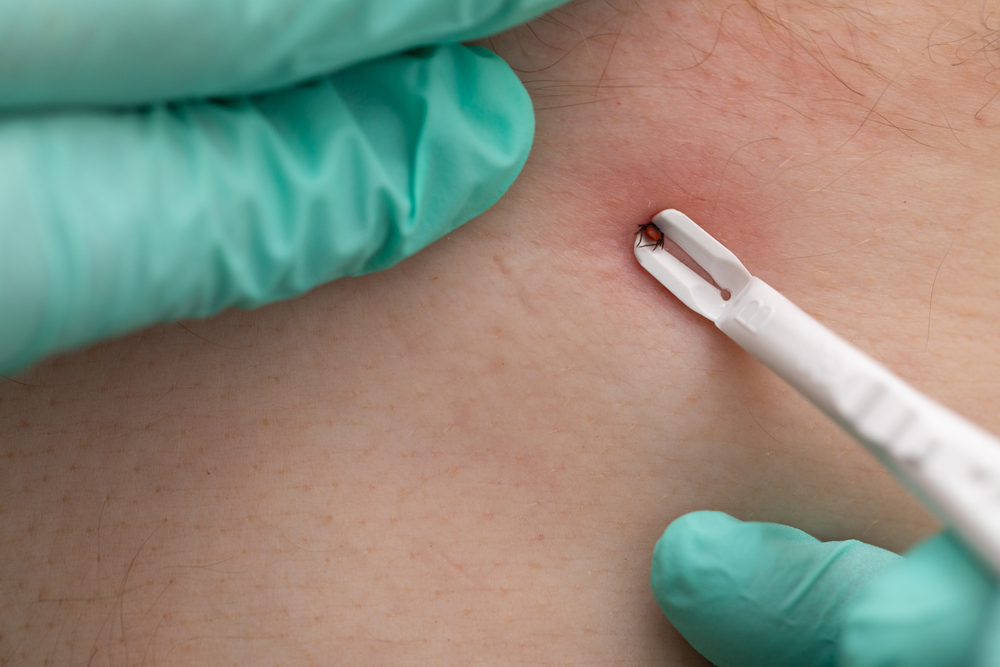
The first thing you should do if you discover a tick attached to your skin is to remove it as quickly and attentively as possible. Use forceps or tweezers with a small tip to hold the tick as near to your skin as possible, and then draw it out in a single, continuous motion while being careful not to make any noise. In order to prevent the tick from regurgitating its contents into the wound, you should avoid squeezing or twisting the tick.
The Things That You Should Not Do If You Have a Tick On You
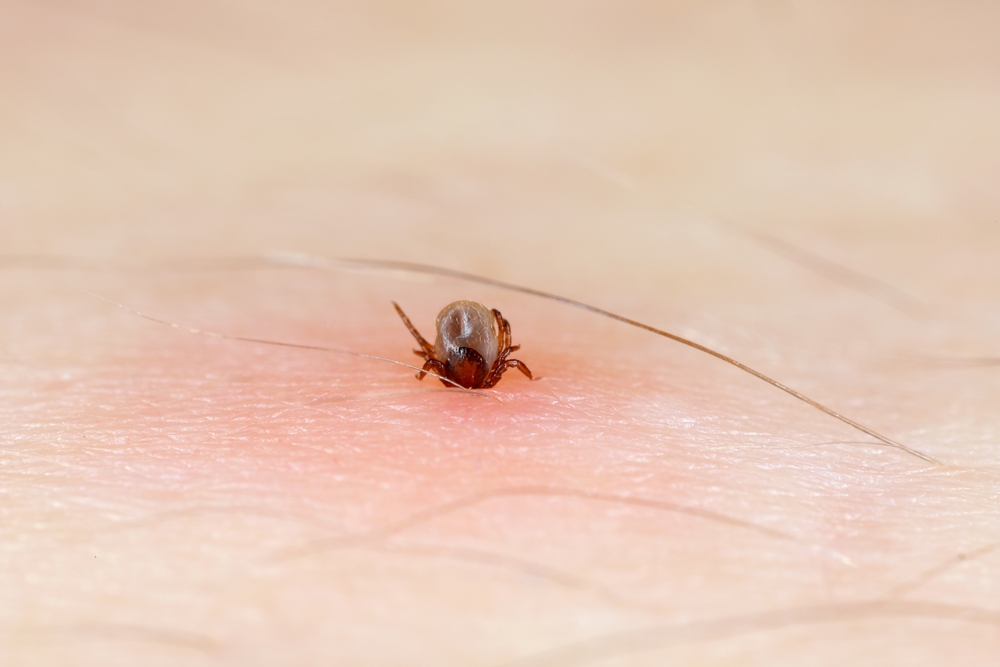
The removal of a tick should not be attempted using home treatments such as matches, nail polish remover, or Vaseline. It is essential to avoid using these products. The tick may become agitated as a result of these methods, which in turn raises the risk of disease transmission. Also, you should avoid squeezing the tick or attempting to burn it off because doing either of these things can result in the regurgitation of bacteria that are dangerous to your body.
Advice on How to Get Rid of the Tick
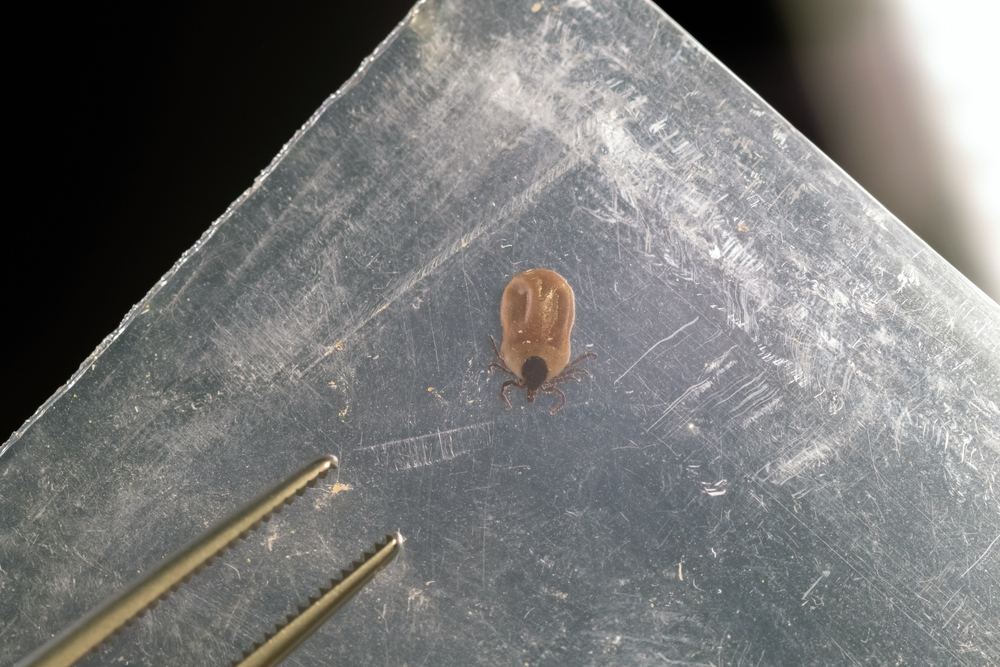
Immediately following the successful removal of the tick from your skin, it is essential to dispose of it in the appropriate manner. This will prevent the tick from coming into contact with either humans or animals. Place the tick in a container or bag that can be sealed. Your other option is to dispose of the tick by flushing it down the toilet. Proper removal of ticks helps to prevent additional contact and subsequent transmission of diseases.
Checking Your Pets for Ticks

To thoroughly check your pets for ticks, it is vital to perform routine inspections, especially during warmer months, when ticks are most active, and maybe in winter as well, as ticks can live in freezing temperatures. Look for ticks in locations such as the ears, armpits, skin folds, toes, and crotch by thoroughly combing through the fur and feeling for any small, firm bumps on the skin. The use of a comb with fine teeth and the procedure of dividing the fur can be helpful in determining whether or not ticks are present. When these examinations are performed on a more regular basis, it will be much simpler to identify ticks that are present on your pet.
Should You Flush or Should You Not Flush?

When it comes to removing ticks from your pet, it is essential to do it with caution and to refrain from using your hands. Instead, make use of tweezers with fine tips to hold the tick as close to the surface of the skin as possible and then continue to pull upwards while maintaining a consistent level of pressure. This will ensure that the entire tick is removed. It is essential to avoid crushing the tick once it has been removed. Rather than that, it is recommended that the tick be placed in a container that is sealed so that it can be identified by a veterinarian. If, on the other hand, you are unable to bring the tick to a veterinarian, you can dispose of it in a secure manner by carefully wrapping it in tape or placing it in a bag that has been sealed. Bringing the tick to the veterinarian’s office for identification and additional evaluation is something that vets may encourage, but it is crucial to note that flushing ticks down the toilet is a valid option.
An Explanation of Lyme Disease

It is the bacteria Borrelia burgdorferi that is responsible for Lyme disease, which is one of the most well-known diseases that is transmitted by ticks. Erythema migrans, a rash that is characteristic of Lyme disease, can be one of the symptoms that can be brought on by the condition. Other symptoms include fever, headache, and fatigue. It is possible for Lyme disease to create more severe consequences that affect the heart, joints, and neurological system if it is not treated.
After being bitten by a tick, look out for these symptoms:
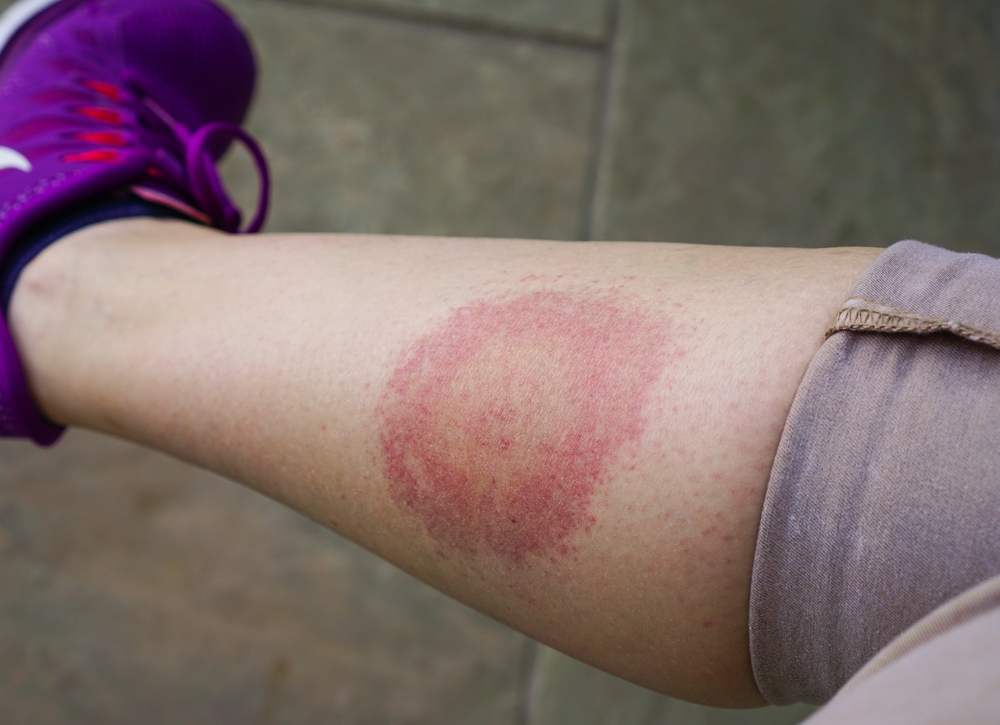
It is vital to monitor for symptoms of tick-borne infections following a tick bite. Symptoms similar to those of the flu, joint discomfort, and muscular aches are some of the early warning signs of Lyme disease. Around the site of the bite, a red bullseye rash may appear in certain instances, which is an indication that an infection may be present. The symptoms of fever, chills, and weariness may also be associated with other tick-borne infections.
What to Do in the Event That You Experience Symptoms

In the event that you develop any symptoms following a tick bite, it is imperative that you pursue medical assistance as soon as possible. Provide your healthcare practitioner with information regarding the tick bite as well as any symptoms that you may be experiencing. The detection and treatment of diseases transmitted by ticks at an early stage can assist in preventing the development of increasingly severe consequences.
To summarize, the bottom line

It is vital to remove and dispose of ticks in the appropriate manner in order to reduce the risk of diseases that are transmitted by ticks. It is possible to protect yourself and the people you care about from the potential harm that might be caused by ticks by adhering to the appropriate methods for tick removal and disposing of ticks in a secure manner during the removal process. Be careful, especially when engaging in activities that take place outside, and always seek medical assistance if you have any reason to believe that you may have been exposed to diseases that are transmitted by ticks. When dealing with ticks, your health and safety takes precedence above everything else.
