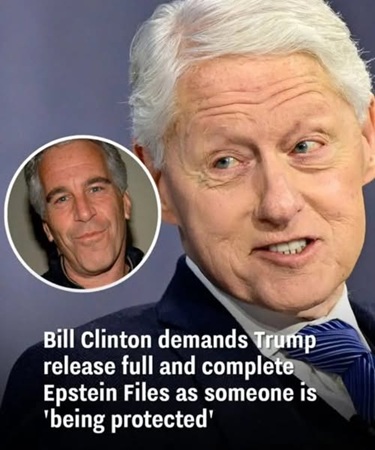
A spokesperson for former U.S. President Bill Clinton has called for the complete, unredacted release of all federal records connected to convicted sex offender Jeffrey Epstein.
Raising questions about transparency, selective disclosure, and the possible shielding of unidentified parties.
The demand comes in the wake of a high-profile release of documents last Friday, which included nearly 300,000 files referencing Epstein and numerous high-profile figures.
The Clinton representative, Angel Ureña, sharply criticized the White House and the Department of Justice (DOJ) over what he described as a heavily redacted and selective disclosure process.
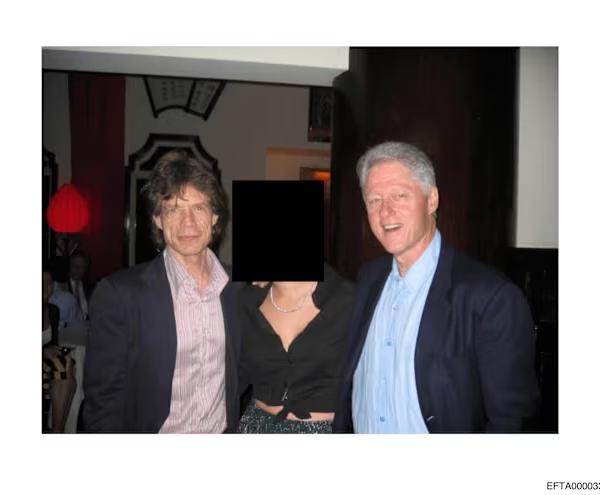
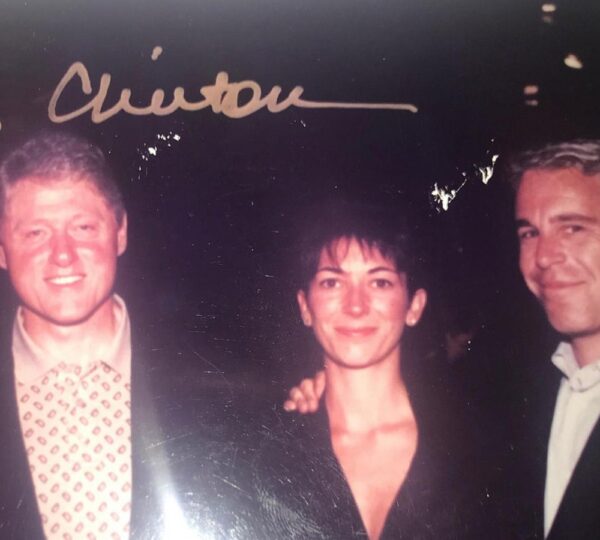
According to Ureña, the approach appears intended to deflect attention toward Clinton, particularly by emphasizing images showing him in Epstein’s company, including photographs with Ghislaine Maxwell.

While Clinton has never been accused of wrongdoing in connection with Epstein, Ureña argues that the manner in which the documents were released raises significant concerns about the integrity and transparency of the process.
The Recent Release of Epstein-Related Documents
On Friday, March 15, 2025, the DOJ released an extensive batch of documents related to Jeffrey Epstein, marking a statutory deadline under the recently enacted Epstein Files Transparency Act.
The release encompassed hundreds of thousands of pages of previously sealed material, including deposition transcripts, flight logs, and photographs.
The documents mention or depict a wide array of prominent figures, including former President Bill Clinton, Prince Andrew, Michael Jackson, Diana Ross, Chris Tucker, Kevin Spacey, and others.
Importantly, officials emphasized that inclusion in these files does not imply criminal liability.
While the photographs and other records capture interactions between Epstein and well-known personalities, the DOJ explicitly noted that no individual appearing in the images has been charged or accused of criminal activity solely because of their presence in the files.
Despite this clarification, the timing and selective redaction of the materials have generated widespread public scrutiny and speculation.
Clinton’s Concerns About Selective Disclosure
Angel Ureña argued that the documents, as released, seem intended to create a misleading narrative by highlighting certain individuals while withholding others.
He stated, “What has been released so far, and how it was released, makes one thing obvious: there is protection happening—though we don’t yet know for whom or why. Bill Clinton requires no such protection, but someone else may be benefiting from selective disclosure.”
According to Ureña, the DOJ’s decision to black out significant portions of the documents, sometimes leaving entire pages completely redacted, undermines public confidence in the justice system.
The spokesperson also highlighted the apparent omission of other federal records related to multiple investigations involving Epstein, records which should have been disclosed under the Epstein Files Transparency Act.
The Act, passed by Congress last month, was designed to ensure greater transparency in all federally held documents relating to Epstein, particularly those involving his interactions with high-profile individuals.
Ureña warned that continued refusal to release full, unredacted files could fuel suspicions that the government is selectively shaping the narrative to insinuate misconduct by individuals who have consistently been cleared by multiple DOJ investigations across both Republican and Democratic administrations.
Photographs and Public Perception
Central to the controversy are photographs showing Clinton in the company of Epstein and Maxwell. These images, some of which date back over two decades, have circulated widely in both mainstream media and social media platforms.
Although inclusion in the photographs does not constitute evidence of illegal activity, their selective presentation can create misleading impressions, according to Clinton’s team.
Ureña pointed out that the timing and prominence of these photos in the public release appear to implicitly cast suspicion on Clinton, despite no factual basis for any allegations.
“The files themselves do not prove wrongdoing, yet the way they were disclosed can distort public perception,” he said.
Social media reactions following the release were immediate and polarized. Many users speculated about Clinton’s relationship with Epstein, while others highlighted the lack of context provided by the redacted documents.
Ureña’s response sought to emphasize the importance of full transparency to prevent the spread of misinformation and unwarranted character attacks.
The Legal and Political Context
The Epstein Files Transparency Act, passed in early 2025, was specifically designed to prevent extended secrecy around documents tied to Epstein and his associates.
Under the Act, all federal agencies are required to release any relevant records related to Epstein investigations, including communications, photographs, and deposition transcripts, except in cases where disclosure would compromise active investigations or personal privacy of third parties unrelated to the matter.
Despite this law, Ureña asserts that the release by the DOJ fell short of full compliance.
While hundreds of thousands of pages were published, significant portions remain redacted, and there is concern that additional materials, particularly those referencing Clinton and other prominent figures, have been withheld.
He urged that President Trump, who was in office at the time of the release, instruct Attorney General Pam Bondi to immediately make all remaining materials public, including images and references involving Clinton.
The broader political context also contributes to the heightened scrutiny. Epstein’s connections spanned the global elite, and many high-profile individuals, including former President Donald Trump, appear in the filings.
While no criminal charges stem from these appearances, the release of partially redacted files can create a climate of suspicion and speculation.
By calling for full disclosure, Clinton’s team aims to ensure that the public can see the complete picture rather than isolated fragments that may be misinterpreted.
Allegations of Shielding Other Individuals
Ureña has repeatedly emphasized that Clinton himself is not seeking protection, but that the selective release may benefit others.
He explained that the redactions, combined with the timing of the release, suggest that authorities might be deliberately obscuring information related to individuals whose names appear elsewhere in the files.
“The release is heavily edited, with entire pages blacked out. This suggests someone is being shielded, though we do not yet know who,” he said.
This concern is compounded by historical precedent: Epstein’s case involved numerous high-profile figures, many of whom had previously been investigated but not charged.
Past DOJ investigations, under both Republican and Democratic leadership, have consistently cleared Clinton of any wrongdoing in connection with Epstein.

Yet the selective release of these files could nonetheless create a misleading narrative in the eyes of the public, fueling speculation and conspiracy theories.
Clinton’s Position and Public Statements
In public statements, Ureña has consistently stressed that full transparency is necessary to protect both the truth and the reputation of individuals unfairly implicated by partial disclosures.
He stated: “Only full, unredacted transparency can prevent misinformation and restore public trust. The American people deserve to see the complete files, not a selective version designed to manipulate public perception.”
Clinton’s team has taken pains to underline that he has never been charged with or accused of criminal activity related to Epstein.
The spokesperson also noted that the partial release risks unfairly conflating Clinton’s presence in photos with illicit behavior — an implication that has no basis in fact.
Public Reaction and Media Coverage
The partial release of the Epstein documents reignited public and media interest in his connections with influential figures worldwide.
News outlets extensively covered the images of Clinton, Prince Andrew, Kevin Spacey, Michael Jackson, and others, emphasizing the need for context to avoid misinterpretation.
Editorials and opinion pieces debated the implications of partial transparency, the role of government in controlling sensitive information, and the potential for reputational harm to those mentioned.
Social media platforms, meanwhile, saw a surge of commentary, ranging from speculation to outrage.
Analysts noted that without access to the complete, unredacted files, public discourse risks being shaped by incomplete information and sensationalized narratives.
Ureña’s call for full disclosure directly addresses this issue, arguing that withholding portions of the files serves neither justice nor public understanding.
The Broader Implications
The Epstein case remains one of the most high-profile investigations involving wealthy and influential figures in recent decades. It has raised questions about accountability, privilege, and transparency in the legal system.
Clinton’s spokesperson highlights that partial releases of sensitive documents can undermine the public’s trust in the DOJ and other government institutions tasked with impartial investigation.
By demanding the full, unredacted release of all materials related to Epstein, Clinton’s team seeks to achieve multiple objectives:
Restore Clarity: Ensure that the public has access to the complete facts, rather than fragmented or selectively redacted information.
Protect Reputation: Prevent unfair implications of wrongdoing against individuals who have been repeatedly cleared of any criminal behavior.
Encourage Accountability: Signal that the DOJ and other federal agencies must adhere strictly to laws governing transparency, including the Epstein Files Transparency Act.
Ureña’s statements emphasize that transparency is not about shielding Clinton — it is about ensuring that justice is seen to be done and that no individual benefits from selective concealment of critical information.
Conclusion
The partial release of Jeffrey Epstein documents has reignited scrutiny of his interactions with high-profile figures, including former President Bill Clinton.
While no criminal allegations stem from Clinton’s presence in the released files, the heavily redacted nature of the documents has raised concerns about selective disclosure and transparency.
Angel Ureña, Clinton’s spokesperson, has called for the immediate release of all remaining, unredacted materials, arguing that only full transparency can prevent misinformation, restore public trust, and ensure that no one is unfairly targeted.
In an era where public perception can be shaped by fragments of information, the demand for complete disclosure reflects a commitment to truth, accountability, and fairness.
As the Epstein files continue to generate headlines and public debate, Clinton’s team is clear: selective release cannot substitute for transparency, and the public deserves access to the complete record — unredacted, untarnished, and wholly informative.
Only by fully understanding the scope of Epstein’s network and interactions can society move toward justice, clarity, and the prevention of future abuses.
