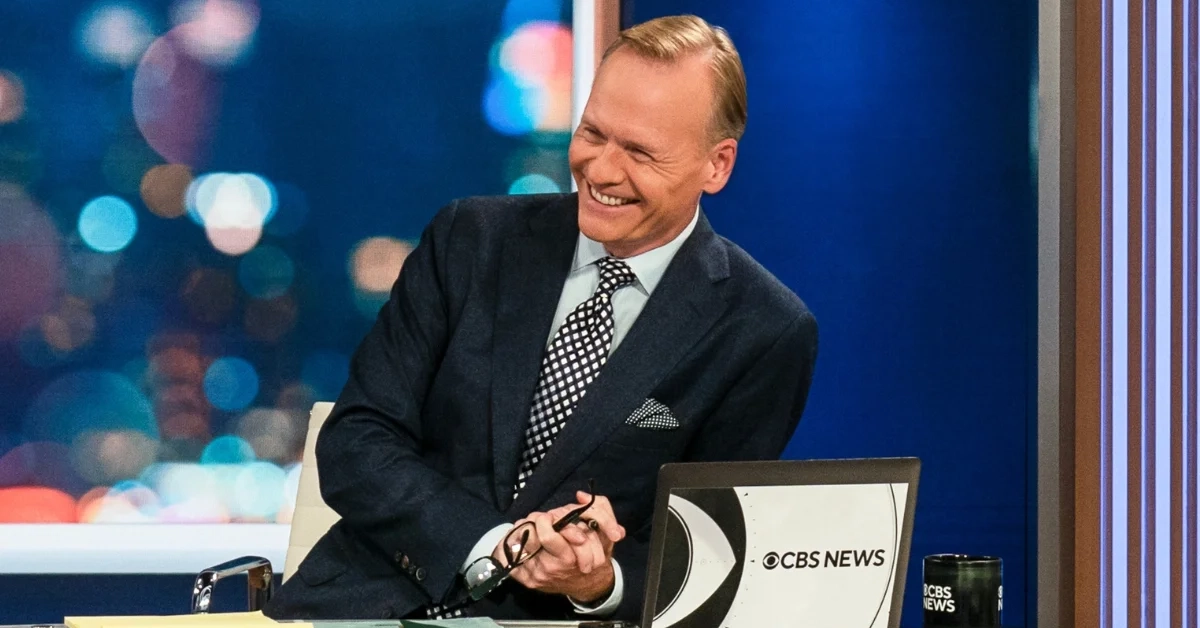
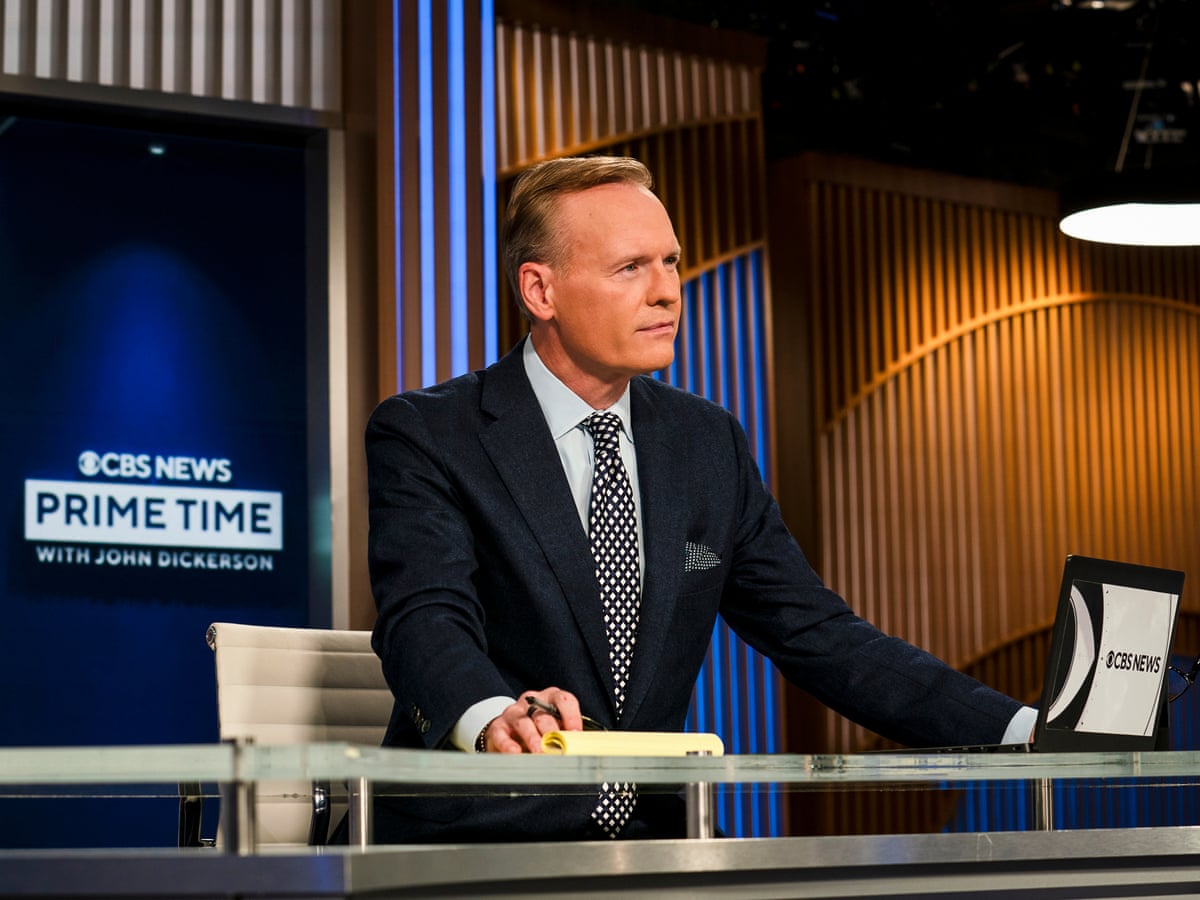
 After sixteen years at CBS, John Dickerson’s quiet announcement landed like a thunderclap across the media world. There was no dramatic press release, no on-air farewell filled with swelling music or sweeping montages. Instead, there was a thoughtful Instagram post—measured, reflective, and unmistakably final. “At the end of this year, I will leave CBS,” Dickerson wrote, marking the end of an era that shaped modern political journalism for a generation of viewers.
For many, Dickerson is inseparable from Face the Nation. When he first sat in the anchor chair, the program was already one of the most respected political broadcasts in American television. Over the years, he didn’t just inherit that legacy—he expanded it. His approach combined historical context, intellectual rigor, and a calm, probing interview style that earned trust across the political spectrum. In an era increasingly defined by polarization and performative outrage, Dickerson’s presence felt steady, even reassuring.
In his message, gratitude took center stage. He thanked CBS not only for the opportunity to do the work, but for the audience’s attention and for the “honor of being a part of the network’s history.” That phrasing mattered. Dickerson wasn’t just stepping away from a job; he was acknowledging his place in a lineage that includes some of the most influential journalists in broadcast history. To recognize that history—and his role within it—speaks to the way he has always viewed journalism as a public trust, not a personal platform.
Perhaps most telling was how much space he devoted to his colleagues. Dickerson credited them with making him “a better journalist and a better human.” That line resonated deeply with those who have followed his career. Colleagues frequently describe him as collaborative rather than competitive, curious rather than combative. In newsrooms often driven by urgency and ego, that reputation is not accidental—it is cultivated through years of consistency.

The photos he referenced in his post offered a visual timeline of that journey. His first appearance on Face the Nation alongside Admiral Mike Mullen, then Chairman of the Joint Chiefs of Staff, symbolized the gravity of the role he stepped into. Other images captured road trips with fellow journalists like Sarah Boxer and Jan Crawford, moments that hinted at the camaraderie behind the scenes. There were lighter snapshots too—Bob Schieffer being “gracious and funny,” a reminder that mentorship and humor coexist even in the most serious corners of journalism.
One particularly striking moment he mentioned was when the Face the Nation staff watched the Access Hollywood tape together for the first time. That image—an entire team gathered around a computer, processing a story that would fundamentally alter American politics—underscored the collective weight journalists carry during historic moments. Dickerson’s inclusion of that memory wasn’t incidental. It reflected his belief that journalism is not just about reporting events, but about bearing witness together.
The list of names at the end of his caption—Carter, King, Letterman, Batiste, Matthews, Bale, Prine, Isbell, O’Donnell, Colbert—read like a cultural roll call. It hinted at the breadth of conversations he’s been part of, spanning politics, music, comedy, and public life. Dickerson has always resisted being boxed into a single lane. While deeply rooted in political reporting, he has consistently sought connections between policy, culture, and human experience.
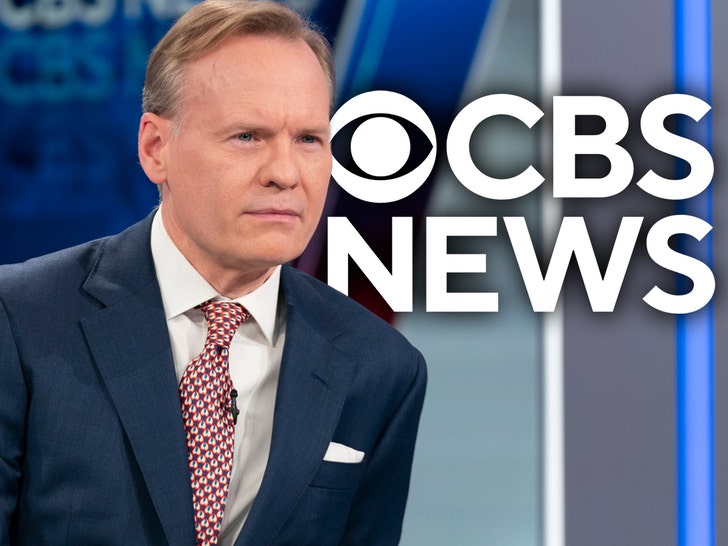
His departure comes at a moment of visible transition for CBS News. With other high-profile exits and editorial shifts underway, Dickerson’s decision has fueled speculation about what the network’s future will look like—and what kind of journalism it will prioritize. Yet his tone suggests no bitterness, no dramatic rupture. If anything, it feels like a deliberate closing of a chapter rather than a reaction to upheaval.
Still, the timing raises questions. Sixteen years is not an arbitrary milestone. It represents longevity in an industry where burnout is common and public trust is fragile. Walking away after that span can be read as an act of self-definition—choosing when and how to leave, rather than waiting to be pushed out or reshaped by forces beyond one’s control.
What comes next for Dickerson remains deliberately unclear. His post offered no hints of future roles, no teasers of new platforms. That restraint feels consistent with who he has always been. Rather than rushing to define the next step, he seems content to let the work speak for itself, trusting that purpose will follow.
For viewers, his departure will be felt most acutely on Sunday mornings, when his voice will no longer guide conversations that shape the national dialogue. For colleagues, it marks the loss of a steady presence in moments of breaking news and quiet reflection alike. And for the broader media landscape, it serves as a reminder that even the most established figures are not permanent fixtures—they are stewards, passing the baton in their own time.
“I will miss you,” Dickerson wrote at the end of his message. It was simple, unadorned, and deeply human. In those four words, he captured the essence of his career: connection over spectacle, sincerity over spin. As he prepares to sign off for the final time, one thing is clear—John Dickerson leaves CBS not just with gratitude, but with a legacy defined by integrity, curiosity, and quiet impact.