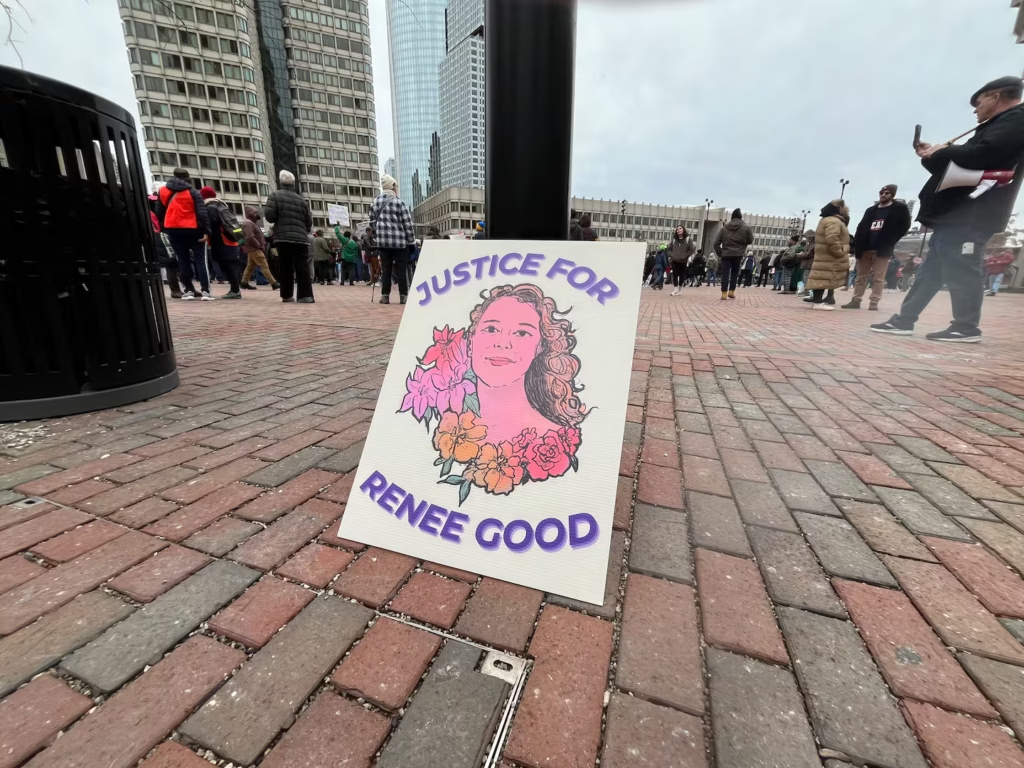
Last week, a fatal encounter between an Immigration and Customs Enforcement (ICE) agent and a Minneapolis woman named Renee Good ignited intense national discourse surrounding law enforcement, immigration policy, and public safety.
The incident, captured partially on video and circulated widely online, showed Renee Good allegedly attempting to flee a traffic stop in her vehicle, striking an ICE agent before being fatally shot.
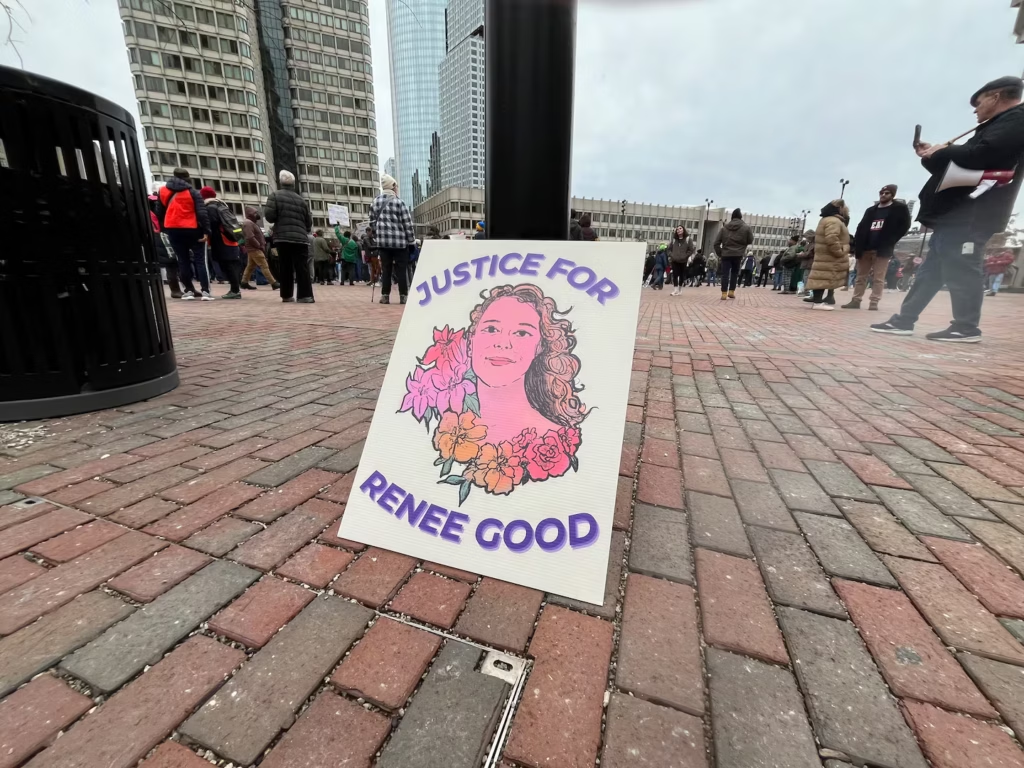
The case immediately drew protests across major U.S. cities, sparking heated discussions about the use of force, officer safety, and accountability.
The Incident in Detail
According to official statements from ICE and local law enforcement, the confrontation occurred during a targeted immigration enforcement operation described by the Department of Homeland Security as the largest in the Twin Cities to date.
Agents were conducting coordinated efforts to apprehend individuals in violation of federal immigration law.
During the traffic stop, Renee Good allegedly attempted to evade arrest, driving her vehicle toward an ICE officer. The agent, responding to what he perceived as an imminent threat, discharged his firearm, resulting in Good’s death.
Authorities emphasized that the agent involved has been placed under protective measures due to threats received online, including doxxing incidents, and that his family’s safety is a top concern amid rising tensions.
Statements from officials indicate that the ICE agent is deeply affected by the encounter, highlighting the psychological and emotional toll that such high-stakes enforcement actions can have on law enforcement personnel.
Background on the ICE Agent
Reports have highlighted that this is not the agent’s first experience with life-threatening situations. Approximately six months prior, he sustained serious injuries after being dragged approximately 300 feet by a vehicle operated by a suspect in the country illegally, requiring over 30 stitches.
Supporters of the agent argue that this prior experience may have informed his reaction during the Minneapolis incident, framing the encounter as a split-second decision under extreme stress.
Law enforcement experts often note that officers develop heightened awareness and reflexive responses to perceived threats due to cumulative exposure to dangerous situations.
National Reaction and Protests
The public response was immediate and polarized. In Minneapolis, protests began peacefully but escalated on Friday night when demonstrators reportedly threw rocks and ice at responding officers, resulting in 29 citations.
Local law enforcement described the scene as chaotic, noting that some demonstrators engaged in confrontational behavior that endangered both participants and bystanders.
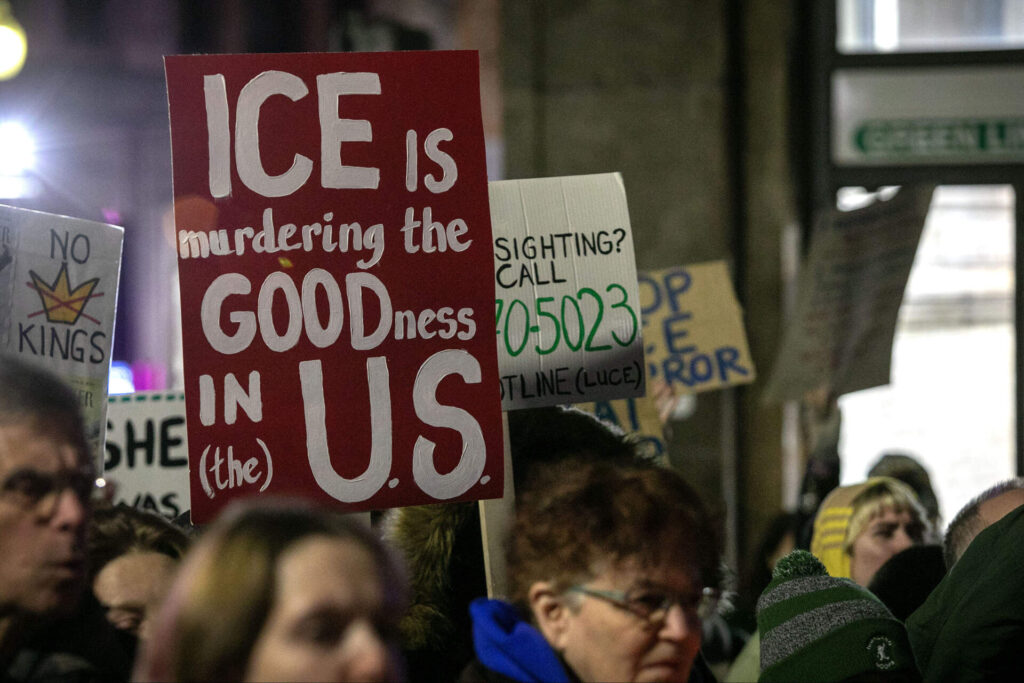
City and state leaders condemned the violence while reiterating support for citizens’ rights to lawful protest and urging residents to exercise peaceful avenues for civic engagement.
Across the country, demonstrations spread to other major cities, including Chicago, New York, and Los Angeles. Activists highlighted broader concerns about immigration enforcement practices, alleging disproportionate use of force and calling for increased oversight of federal agencies.
Opponents emphasized that ICE is tasked with enforcing federal law and that agents frequently operate in high-risk circumstances where decisions must be made in seconds.
Statements from Government Officials
Tom Homan, the White House border czar and former acting director of ICE, appeared on national media to defend the actions of the Minneapolis agent. Speaking with Dr. Phil McGraw, Homan stressed the importance of allowing investigators to complete their review before forming conclusions.
He underscored that the agent is grappling with significant emotional distress, noting, “No law enforcement officer feels good about using lethal force under any circumstance. It is never taken lightly.”
Homan further addressed the threats faced by the officer following the incident. He reported that the agent and his family have been targeted with online harassment, including doxxing, which exposes private information to the public and increases personal risk.
Homan framed this as an example of the heightened pressures law enforcement personnel face today, particularly in situations that attract intense media coverage and public scrutiny.
Political Divide and Public Policy Debate
The Minneapolis shooting highlighted the stark political divisions surrounding immigration enforcement. Republican officials and administration representatives framed the event as a case of self-defense, arguing that federal agents must be able to protect themselves when faced with imminent danger.
This position emphasized the operational risks inherent in enforcement operations and the need to maintain officer safety as a core priority.
In contrast, many Democratic lawmakers and advocacy organizations called for comprehensive investigations, policy reforms, and even funding reviews for ICE operations.
Critics cited patterns of perceived excessive force in federal immigration enforcement, advocating for enhanced transparency, independent oversight, and stricter accountability measures.
The polarization underscores the broader societal debate over balancing national security, law enforcement authority, and civil rights protections.
Media Coverage and Public Perception
National and local media outlets have covered the incident extensively, often focusing on contrasting narratives. Conservative outlets have highlighted the danger faced by ICE agents and the history of threats against federal officers, framing the shooting as an unfortunate but necessary response to a direct threat.
Progressive outlets have emphasized the human toll, particularly Renee Good’s death, and raised questions about systemic issues in federal enforcement operations.
Video footage circulating online has been dissected in detail, with analysts noting the challenges in assessing real-time decision-making. Factors such as speed, proximity, and prior threat experiences play a crucial role in understanding how law enforcement officers respond to perceived danger.
Experts caution that without full context, public interpretation of such footage can oversimplify complex interactions and potentially contribute to misinformed debates.
ICE Operational Context
The Department of Homeland Security characterized the Twin Cities operation as a coordinated effort targeting multiple individuals for apprehension.
Such operations involve detailed planning, including intelligence gathering, coordination with local law enforcement, and risk assessments for each officer involved.
ICE maintains that these measures are designed to minimize danger to both agents and the public while enforcing federal law effectively.
High-profile incidents like the Minneapolis shooting also spotlight the psychological and operational strain on agents. Officers are trained to assess threat levels, implement de-escalation strategies, and act decisively when confronted with imminent danger.
Despite extensive training, no operational protocol can completely eliminate risk, particularly when suspects act unpredictably during enforcement encounters.
Community and National Responses
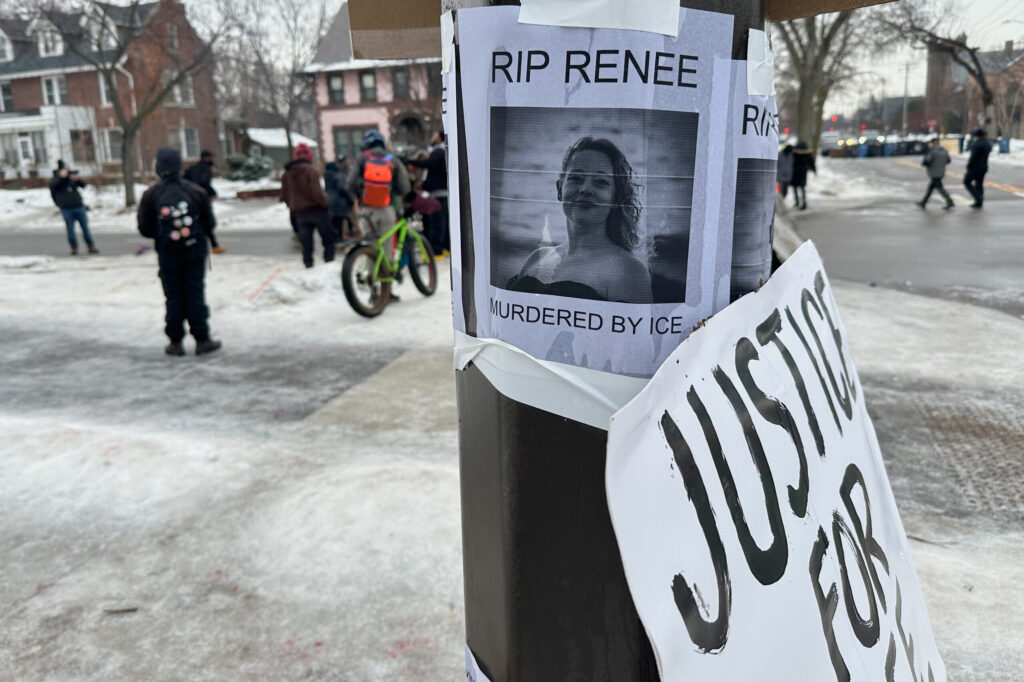
Following the Minneapolis incident, community reactions have varied widely, reflecting the complex intersection of law enforcement, immigration policy, and public perception.
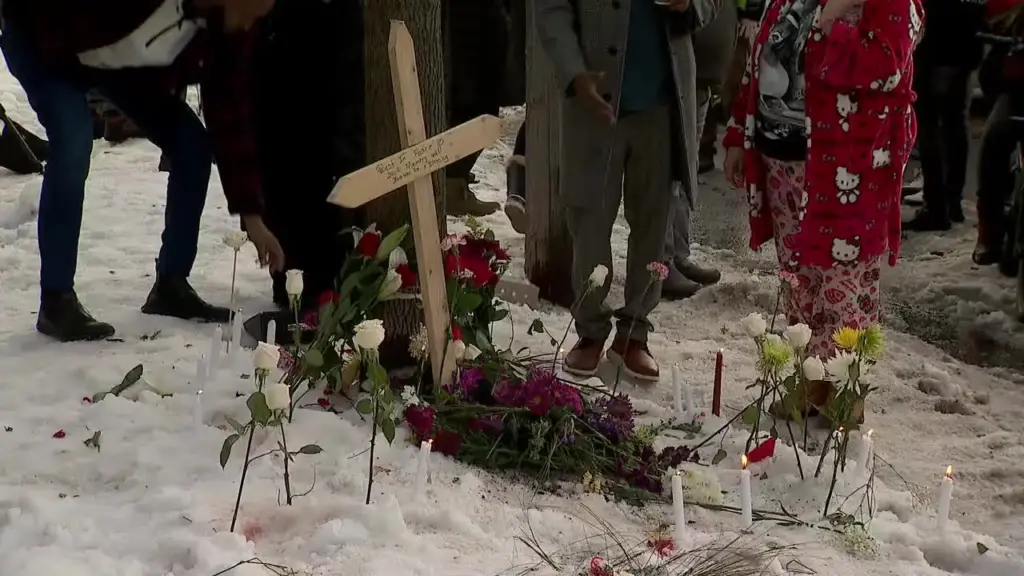
Local residents expressed a mixture of grief, anger, and concern. Advocacy groups for immigrant rights organized rallies to call attention to perceived systemic issues, emphasizing the need for policy reforms, transparency, and protections against excessive use of force.
Meanwhile, organizations supporting law enforcement emphasized the dangers faced by ICE agents, highlighting the risks inherent in apprehending potentially non-compliant individuals.
They argued that agents, like their counterparts in other federal, state, and local agencies, frequently operate under split-second decision-making conditions, which can result in tragic outcomes even when protocols are followed.
Across the nation, the incident sparked heated debates on social media platforms. Hashtags both supporting and criticizing ICE actions trended for several days.
Commentators debated the broader implications of immigration enforcement practices, scrutinizing the balance between public safety, officer protection, and the rights of individuals subject to federal actions.
Experts note that high-profile cases such as this often influence public opinion and policy discussions far beyond the immediate jurisdiction in which they occur.
Philanthropic and Political Implications
In the wake of public attention, billionaire investor Bill Ackman publicly confirmed a significant donation to a GoFundMe campaign supporting the ICE agent involved, Jonathan Ross.
The fundraising initiative aimed to cover legal costs and personal expenses following the heightened threats and media scrutiny.
Ackman explained that his contribution was intended to uphold due process, not to make a political statement, emphasizing the need for fairness and impartiality in the judicial process.
Ackman clarified that he had considered donating to a separate fundraiser for Renee Good’s family but found that campaign had already closed after surpassing its initial goal.
He described the situation as tragic, noting that the events highlight the difficult ethical and legal challenges surrounding law enforcement operations.
Public responses to Ackman’s donation were similarly polarized: supporters praised his commitment to ensuring legal fairness, while critics argued that contributing to law enforcement personnel involved in a fatal shooting could be interpreted as politically charged.
The incident illustrates a growing trend where private citizens and high-profile figures can exert influence through philanthropic actions, simultaneously impacting public perception and providing tangible support to individuals involved in legal or traumatic events.
Such interventions raise broader questions about the role of private funding in high-profile legal cases, accountability, and how society navigates moral responsibility in situations involving both victims and officers.
Legal and Investigative Proceedings
Federal and local investigators have emphasized the importance of conducting a thorough review. ICE and the Department of Homeland Security are collaborating with local authorities to ensure an independent, transparent investigation.
Standard protocol in such cases includes reviewing body camera footage, interviewing witnesses, examining physical evidence, and consulting with legal experts on the application of force and procedural compliance.
Legal analysts point out that cases involving law enforcement use of lethal force are often evaluated based on several criteria: whether the officer had a reasonable perception of imminent threat, whether the response was proportional, and whether alternative, non-lethal measures could have been effectively employed.
Additionally, prior training, previous experiences, and situational context are considered to understand an officer’s decision-making process under high-pressure conditions.
Political Divide and Policy Discussion
The Minneapolis incident also intensified political discourse surrounding ICE operations and federal immigration policy.
Republicans and administration officials have characterized the shooting as an unavoidable outcome of a dangerous encounter, reinforcing the narrative that federal agents require robust protections to carry out enforcement duties effectively.
Democrats and immigrant advocacy groups, on the other hand, have used the incident to highlight potential gaps in accountability and transparency.
Calls for reform include enhanced oversight of ICE operations, stricter guidelines for the use of force, expanded access to independent investigations, and the implementation of policies aimed at reducing confrontations that could escalate into lethal incidents.
This divergence reflects broader ideological tensions in the U.S. regarding immigration, public safety, and law enforcement authority.
It underscores the difficulty in crafting policies that simultaneously ensure national security, protect civil liberties, and maintain trust between communities and federal agencies.
Social Media, Public Opinion, and Information Dissemination
The incident quickly became a focal point on social media platforms, where videos, personal accounts, and official statements circulated rapidly.
Analysts note that social media amplifies both factual reporting and speculation, making it challenging for the public to discern accurate information.
Misinformation or incomplete context can further polarize public sentiment, sometimes resulting in harassment of individuals involved, including law enforcement personnel and the families of victims.
This dynamic has prompted discussions among communication experts about the importance of verifying sources, consulting multiple perspectives, and understanding situational complexity before drawing conclusions.
Social media’s influence on public perception can directly impact policy debates, civic engagement, and the broader narrative surrounding controversial incidents.
Officer Safety and Mental Health Considerations
Beyond immediate operational concerns, incidents like the Minneapolis shooting have profound implications for officer mental health.
Law enforcement professionals often face high-stress scenarios that require instantaneous decision-making. Research has demonstrated that officers involved in fatal encounters can experience post-traumatic stress, anxiety, and long-term psychological effects.
In this case, officials reported that the ICE agent has been receiving counseling and support to manage the emotional aftermath.
Protective measures for his family, including relocation assistance and security advisories, were also implemented to mitigate ongoing threats resulting from online doxxing and public attention.
These interventions highlight the need for holistic approaches to officer safety, encompassing physical security, mental health support, and organizational accountability.
Broader Lessons for Law Enforcement and Society
The Minneapolis incident underscores several important lessons for law enforcement and society at large:
The Complexity of Split-Second Decisions: Officers must navigate unpredictable circumstances where decisions may have life-or-death consequences, often within fractions of a second.
Transparency and Oversight: Independent investigations and clear communication are crucial for maintaining public trust and ensuring accountability.
Community Engagement: Building strong relationships between law enforcement and communities can reduce tensions and foster mutual understanding, even in high-stakes situations.
Media Literacy and Critical Thinking: Citizens must critically evaluate information from multiple sources, particularly when incidents involve polarized narratives and emotionally charged content.
Support Systems: Both victims’ families and law enforcement personnel benefit from structured support systems, including counseling, legal guidance, and community resources.
Moving Forward
As investigations continue, policymakers, law enforcement agencies, and community leaders are examining the incident as a case study in operational protocols, public relations, and policy formulation.
The outcome may influence how ICE and other agencies implement training, use-of-force guidelines, and community engagement strategies.
Public debates are expected to continue, with potential legislative proposals addressing transparency, accountability, and safety measures for both officers and civilians.
The Minneapolis case also illustrates how philanthropy, social media, and public discourse intersect in contemporary American life.
Contributions like Bill Ackman’s, media coverage, and grassroots advocacy all contribute to shaping public understanding and influencing policy decisions.
Navigating this intersection requires careful attention to factual reporting, ethical considerations, and the broader societal context.
In the end, the incident serves as a reminder of the multifaceted nature of law enforcement in the modern era. While the immediate event involved a tragic loss of life, its ripple effects touch on legal standards, political debates, mental health, public trust, and the ongoing challenge of balancing enforcement with civil liberties.
It exemplifies the difficult terrain public officials, law enforcement personnel, and citizens must navigate in an increasingly interconnected, media-saturated society.
