Hand warmers, once a simple tool to combat the cold, have a long history that spans centuries. From the original designs crafted by ancient civilizations to the more sophisticated and technological advances of the 20th century, these devices have warmed hands and hearts for generations. Today, vintage hand warmers are not only admired for their practicality but also treasured as nostalgic collectibles. This article delves into the history, uses, and lasting legacy of these fascinating devices.
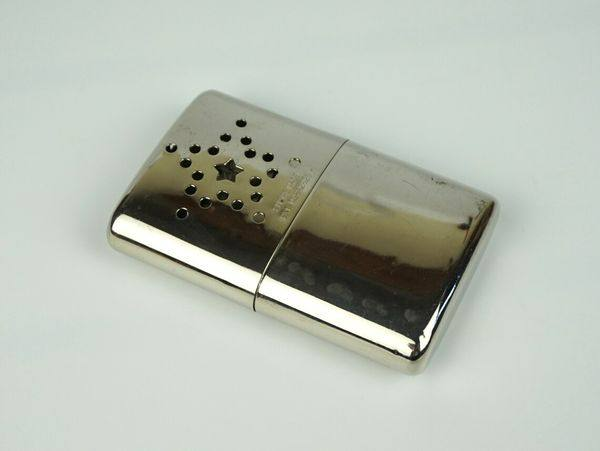
The Origin of the Hand Warmer: A Crude But Practical Invention
The concept of hand warmers can be traced back to ancient times when people had to find creative ways to stay warm in harsh climates. In both China and Japan, early versions of hand warmers appeared in the form of small portable braziers. These were often made of metal or clay, filled with hot coals, and designed to provide a steady source of warmth for cold hands. Despite their simplicity, these ancient devices were effective and portable, setting the foundation for the more sophisticated hand warmers that would follow.
These early hand warmers highlight the ingenuity of ancient civilizations, demonstrating that the desire for warmth transcends time and culture. The concept of keeping hands warm during cold weather, whether for practical or comfort reasons, was essential for daily life in regions with cold winters.
The Rise of Metal Hand Warmers in the 19th and 20th Centuries
As the industrial revolution unfolded and metalworking became more advanced, the hand warmer evolved significantly. By the late 19th century, metal hand warmers became increasingly popular, particularly in Europe and North America. These devices, often made from brass or steel, featured a perforated outer casing that allowed heat to radiate while containing the warmth within. Inside, a small compartment held burning charcoal or solid fuel sticks, providing a consistent source of heat for hours at a time.
Inventors of the time patented various designs, each trying to improve the efficiency and safety of these devices. As technology progressed, these hand warmers became not just functional but also aesthetically appealing, with intricate designs that made them popular among outdoor workers, travelers, and anyone facing cold weather conditions.
The breakthrough of catalytic hand warmers
The 1920s saw the introduction of catalytic hand warmers, which represented a major leap in technology. Catalytic hand warmers used a platinum catalyst to generate heat without an open flame, making them much safer and more reliable than their predecessors. This innovation was especially important for soldiers, outdoor enthusiasts, and individuals who needed a dependable source of warmth in cold environments.
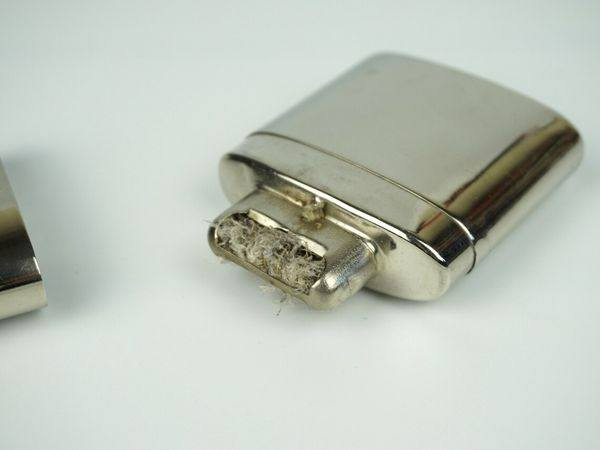
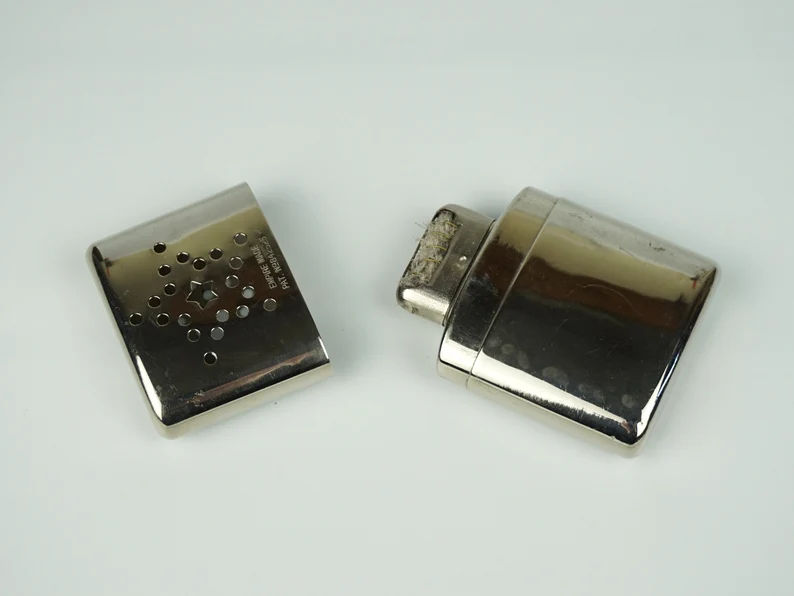
Brands like Zippo and Jon-e were pioneers in producing high-quality catalytic hand warmers, which soon became popular worldwide. These devices used lighter fluid or fuel, which, when combined with the platinum catalyst, created heat through a chemical reaction. The absence of a flame made them safer for prolonged use, and their portability meant they could easily be carried in a pocket or glove, making them an indispensable accessory for people enduring freezing temperatures.
Usage of Vintage Hand Warmers: Warmth Across Generations
Everyday Use in Cold Weather
For people living in cold climates, vintage hand warmers served a practical purpose in everyday life. Whether it was walking to work, attending outdoor events, or simply spending time outside, these hand warmers provided a steady, reliable source of warmth. To use, individuals would light the fuel, insert it into the warmer, and then place it in their pockets or gloves, ensuring their hands stayed warm even in freezing conditions.
Military Applications
During World War I and World War II, soldiers stationed in cold environments relied heavily on hand warmers to maintain dexterity and comfort. Cold weather can severely impair fine motor skills, and hand warmers helped troops keep their hands warm enough to perform critical tasks such as handling weapons, writing, and operating machinery. The portability and ease of use of these devices made them an essential part of military gear in cold climates.
Outdoor activities and sports
Hand warmers have long been a favorite accessory for outdoor enthusiasts, particularly for those who engage in winter sports like hunting, fishing, and skiing. Spending extended periods outdoors in cold weather can be challenging, but hand warmers offered a practical solution. Their portability, durability, and ability to generate warmth for hours made them indispensable for those who needed to keep their hands warm without sacrificing mobility or convenience.
The Enduring Legacy of Vintage Hand Warmers
Collectibles
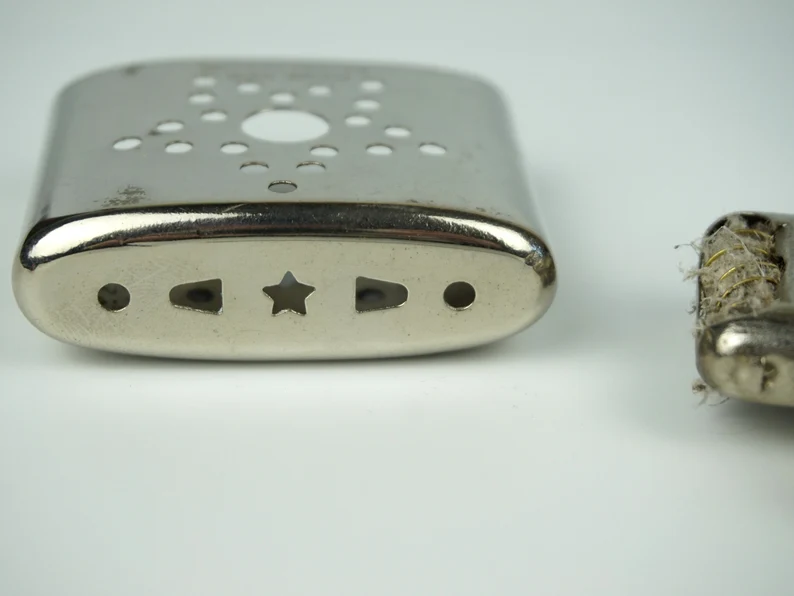
Today, vintage hand warmers have become highly sought-after collectibles. Enthusiasts and collectors admire these devices for their craftsmanship, historical significance, and unique designs. Many appreciate the attention to detail found in early models, such as intricate metalwork and patented mechanisms, which reflect the engineering ingenuity of the time. Owning a vintage hand warmer is like holding a piece of history—each one tells a story of how people in the past battled the cold with innovation and creativity.
Environmental Considerations
In an era where sustainability is increasingly important, vintage hand warmers are experiencing a resurgence of interest for their eco-friendly attributes. Unlike disposable heat packs commonly used today, vintage hand warmers relied on renewable fuel sources like charcoal or lighter fluid. Their durable construction also meant they could be reused countless times, reducing waste and aligning with modern values of sustainability and reusability.
Cultural significance
Beyond their practical use, vintage hand warmers hold cultural importance in various regions. For instance, in Japan, the traditional kairo hand warmer has long been associated with winter rituals. These hand warmers symbolize resilience and comfort during the cold months, and their use persists today, often as a connection to the past.
