The world of cinema, both in Hollywood and beyond, is in mourning following the confirmation that Robert Redford.
The acclaimed actor, director, producer, and founder of the Sundance Film Festival — passed away on September 16, 2025, at the age of 89.
Redford’s publicist announced that he died peacefully at his home in Sundance, Utah, “surrounded by those he loved,” bringing a profound sense of loss to fans, colleagues, and admirers around the globe.
His death marks the passing of one of the most influential figures in modern cinema, a man whose career, vision, and activism left an indelible mark on the world of art and culture.
Redford’s influence on Hollywood and the broader entertainment industry cannot be overstated.
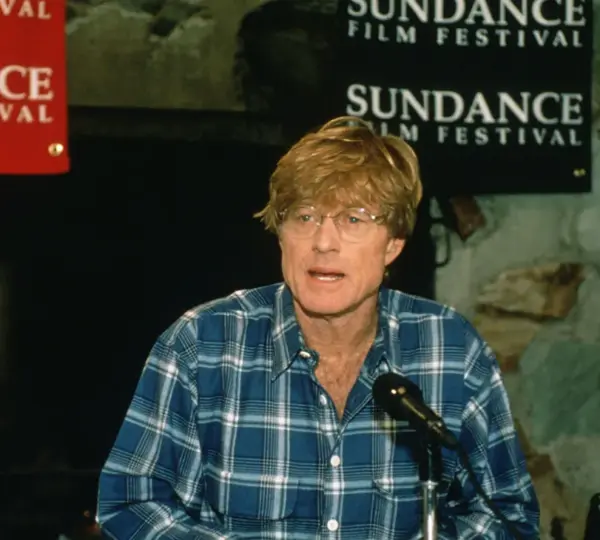
Tributes poured in worldwide as soon as news of his passing broke, with celebrities, filmmakers, and fans expressing grief and admiration for a man whose name had become synonymous with integrity, creativity, and an unwavering dedication to the craft of storytelling.
From the golden age of Hollywood to the contemporary era of independent cinema, Redford’s presence has always been synonymous with quality, authenticity, and inspiration.
His work inspired not only audiences but also generations of filmmakers who continue to follow in his footsteps.
A Career That Defined an Era
Robert Redford’s career spanned more than six decades, beginning with humble origins in theater and television before he became one of Hollywood’s most celebrated leading men.
His performances consistently showcased a unique combination of charm, intensity, and depth, earning him critical acclaim and a devoted fan base.
Redford was known for his versatility, seamlessly moving between romantic leads, dramatic roles, and thrilling adventures, leaving audiences with unforgettable performances that have stood the test of time.
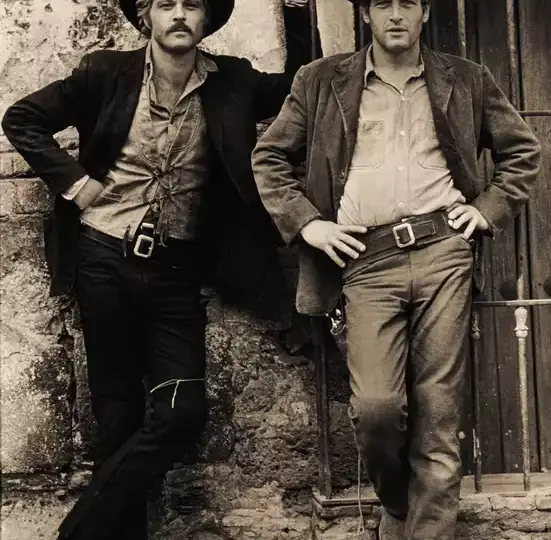
Among his most iconic performances was his role as the charming outlaw in Butch Cassidy and the Sundance Kid (1969).
This film solidified Redford’s status as a cinematic star and introduced audiences to a charismatic, compelling presence that would become his hallmark.
Following this, he captivated viewers in The Sting (1973), portraying a charismatic con-man in a story that has become a defining piece of 1970s cinema.
Redford’s ability to combine charm with complexity made him a beloved figure, both on and off the screen.
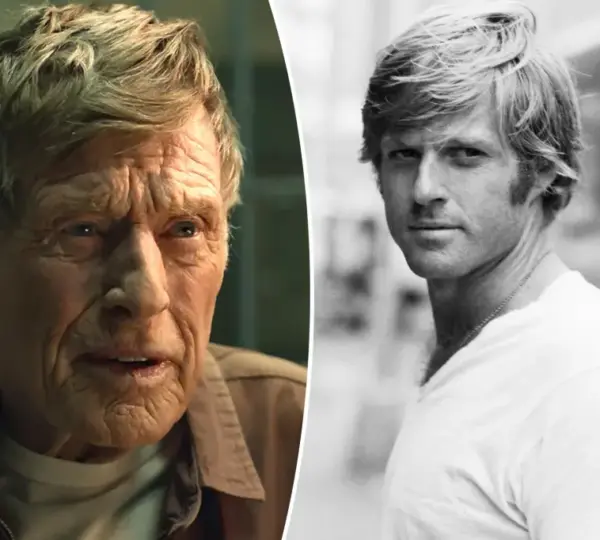
Redford’s talent extended beyond light-hearted or adventurous roles.
His portrayal of a dedicated journalist in All the President’s Men (1976) highlighted his ability to tackle serious dramatic material, earning widespread recognition and respect for his depth and authenticity as an actor.
He also demonstrated a romantic side in The Way We Were (1973), showcasing his range beyond action and drama.
Other memorable performances in films such as Downhill Racer, Jeremiah Johnson, and The Natural spanned genres from sports drama to westerns and character-driven stories, solidifying his reputation as a versatile and compelling performer.
Behind the Camera: A Visionary Director
Robert Redford was more than just a celebrated actor; he successfully transitioned into filmmaking, demonstrating his talent behind the camera.
In 1980, Redford made his directorial debut with Ordinary People, a film that earned him the Academy Award for Best Director, while the movie itself won Best Picture.
The film’s sensitive portrayal of grief, family trauma, and emotional complexity showcased Redford’s profound ability to tell stories that resonate on a deeply human level.
Ordinary People was a testament to his understanding of character, narrative, and emotion, proving that Redford was not merely a movie star but a visionary storyteller capable of profound insight.
Over the years, as a director and producer, Redford continued to craft films that balanced artistry and heart, resisting the superficial glitz often associated with Hollywood.
Films like Quiz Show (1994) and A River Runs Through It (1992) remain celebrated for their narrative strength, emotional depth, and cinematic elegance.
His work behind the camera consistently reflected a thoughtful, deliberate approach to filmmaking, emphasizing story, character, and authenticity over spectacle.
Redford’s influence as a filmmaker helped shape the direction of modern cinema, inspiring others to pursue meaningful, emotionally resonant stories.
The Sundance Legacy: Champion of Independent Film
Perhaps Robert Redford’s most enduring legacy extends far beyond individual performances or even his directorial achievements.
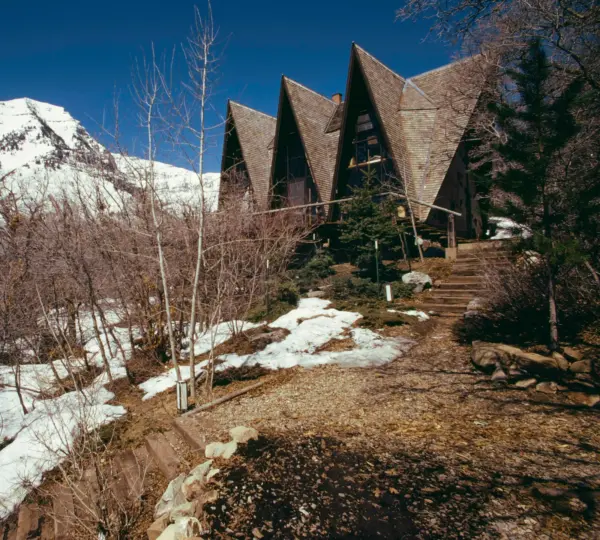
His relentless advocacy for independent cinema and support for emerging filmmakers transformed the landscape of the film industry.
In 1981, he co-founded the Sundance Institute, a nonprofit organization dedicated to nurturing filmmakers whose work did not fit into the constraints of the mainstream studio system.
From this humble beginning, the Sundance Film Festival emerged, evolving from a small platform in Utah into a globally recognized institution that celebrates independent filmmaking and amplifies underrepresented voices.
Under Redford’s guidance, Sundance became a launchpad for countless filmmakers who would go on to shape modern cinema.
Directors such as Quentin Tarantino, Steven Soderbergh, Ava DuVernay, and many others benefited from the festival’s mission, which championed creativity over budget, originality over conformity, and passion over profit.
Redford’s vision provided a space where artists could take risks, experiment with storytelling, and share their unique perspectives with the world.
Through Sundance, he democratized filmmaking, ensuring that compelling stories could find an audience regardless of studio backing or commercial constraints.
Redford’s commitment to independent cinema extended beyond the festival itself.
The Sundance Institute has offered mentorship, funding, and resources to filmmakers at all stages of their careers, empowering them to pursue projects that might otherwise never have been realized.
By fostering an environment of creativity and collaboration, Redford helped cultivate a generation of artists whose work continues to challenge, inspire, and move audiences worldwide.
The impact of his vision is immeasurable; it reshaped the film industry by demonstrating that independent voices have the power to resonate on a global scale.
Advocacy Beyond Film: Environmentalism and Social Causes
Redford’s influence was not confined to cinema alone. Throughout his life, he maintained a deep commitment to environmental causes, social justice, and activism.
He used his platform to advocate for conservation, clean energy, and sustainable practices, emphasizing the importance of protecting the natural world for future generations.
His activism was intertwined with his artistic work, reflecting a belief that creativity and conscience are inseparable.
Redford once described his mission as “making the world safe for artistic diversity,” a statement that encapsulated his dedication to both culture and community.
Over the decades, Redford championed initiatives aimed at preserving wilderness areas, combating climate change, and promoting environmental education.
His leadership in environmental activism earned him widespread recognition and admiration, and his efforts helped inspire a broader movement of artists, filmmakers, and citizens committed to protecting the planet.
Redford’s life demonstrated that the influence of a single individual can extend far beyond the screen, leaving a tangible, positive impact on society and the environment.
Tributes and Reflections: Hollywood Reacts
The confirmation of Redford’s passing prompted an outpouring of grief and admiration from Hollywood, fellow artists, and fans worldwide.
Veteran actors such as Meryl Streep described him as “one of the lions” of the industry, reflecting both sorrow and reverence for his enduring legacy.
Jane Fonda, Redford’s longtime co-star and fellow environmental advocate, expressed deep personal grief, calling him “a beautiful person in every way” and praising his unwavering commitment to the values he believed in.
Filmmakers, young artists, and activists alike credited Redford with opening doors that allowed independent voices to thrive, emphasizing that his contributions extended far beyond his on-screen presence.
The Sundance Institute released a heartfelt statement honoring Redford’s generosity, vision, and lifelong dedication to independent cinema.
They highlighted his rebellious spirit, his love for creativity, and his tireless work in fostering the next generation of filmmakers.
Colleagues and collaborators consistently praised his integrity, humility, and passion, noting that Redford’s approach to art and life set an example for both personal and professional excellence.
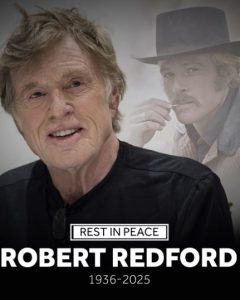
The End of an Era, but the Legacy Lives On
Robert Redford’s passing marks the end of an era in both Hollywood and the global film industry.
He was not just a star, but a mentor, visionary, and bridge between mainstream cinema and independent storytelling.
His influence continues to be felt in every corner of the industry, from the films made at Sundance to the artists inspired by his advocacy for environmental causes and artistic integrity.
Redford’s work transcended time, genre, and style, leaving a legacy that will continue to inspire filmmakers, audiences, and activists for generations to come.
From his unforgettable performances on screen to his groundbreaking contributions as a director, producer, and champion of independent cinema, Robert Redford’s life was a testament to the power of creativity, vision, and dedication.
His advocacy for artistic diversity, social responsibility, and environmental stewardship ensured that his impact extended far beyond Hollywood.
Every film born out of Sundance, every filmmaker mentored by the Institute, and every story told from the margins stands as a living tribute to Redford’s vision and influence.
In celebrating Robert Redford’s remarkable life, we honor not only his extraordinary career but also his profound commitment to art, humanity, and the planet.
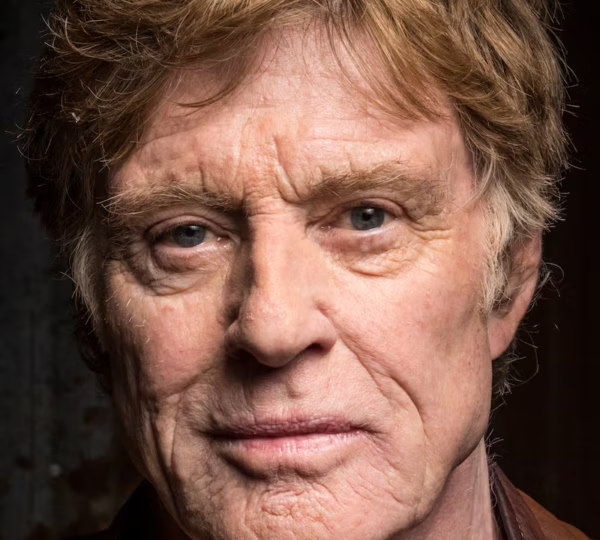
His legacy reminds us that cinema is not just entertainment; it is a vehicle for truth, empathy, and social change.
Redford showed us that a life dedicated to creativity, integrity, and purpose can inspire generations, leaving an imprint that endures long after the final credits roll.
Thank you, Robert Redford, for your incomparable contributions to film, culture, and society. Your vision, artistry, and compassion will continue to illuminate the world for decades to come.
The world of cinema, both in Hollywood and beyond, is in mourning following the confirmation that Robert Redford.
The acclaimed actor, director, producer, and founder of the Sundance Film Festival — passed away on September 16, 2025, at the age of 89.
Redford’s publicist announced that he died peacefully at his home in Sundance, Utah, “surrounded by those he loved,” bringing a profound sense of loss to fans, colleagues, and admirers around the globe.
His death marks the passing of one of the most influential figures in modern cinema, a man whose career, vision, and activism left an indelible mark on the world of art and culture.
Redford’s influence on Hollywood and the broader entertainment industry cannot be overstated.
Tributes poured in worldwide as soon as news of his passing broke, with celebrities, filmmakers, and fans expressing grief and admiration for a man whose name had become synonymous with integrity, creativity, and an unwavering dedication to the craft of storytelling.
From the golden age of Hollywood to the contemporary era of independent cinema, Redford’s presence has always been synonymous with quality, authenticity, and inspiration.
His work inspired not only audiences but also generations of filmmakers who continue to follow in his footsteps.
A Career That Defined an Era
Robert Redford’s career spanned more than six decades, beginning with humble origins in theater and television before he became one of Hollywood’s most celebrated leading men.
His performances consistently showcased a unique combination of charm, intensity, and depth, earning him critical acclaim and a devoted fan base.
Redford was known for his versatility, seamlessly moving between romantic leads, dramatic roles, and thrilling adventures, leaving audiences with unforgettable performances that have stood the test of time.
Among his most iconic performances was his role as the charming outlaw in Butch Cassidy and the Sundance Kid (1969).
This film solidified Redford’s status as a cinematic star and introduced audiences to a charismatic, compelling presence that would become his hallmark.
Following this, he captivated viewers in The Sting (1973), portraying a charismatic con-man in a story that has become a defining piece of 1970s cinema.
Redford’s ability to combine charm with complexity made him a beloved figure, both on and off the screen.
Redford’s talent extended beyond light-hearted or adventurous roles.
His portrayal of a dedicated journalist in All the President’s Men (1976) highlighted his ability to tackle serious dramatic material, earning widespread recognition and respect for his depth and authenticity as an actor.
He also demonstrated a romantic side in The Way We Were (1973), showcasing his range beyond action and drama.
Other memorable performances in films such as Downhill Racer, Jeremiah Johnson, and The Natural spanned genres from sports drama to westerns and character-driven stories, solidifying his reputation as a versatile and compelling performer.
Behind the Camera: A Visionary Director
Robert Redford was more than just a celebrated actor; he successfully transitioned into filmmaking, demonstrating his talent behind the camera.
In 1980, Redford made his directorial debut with Ordinary People, a film that earned him the Academy Award for Best Director, while the movie itself won Best Picture.
The film’s sensitive portrayal of grief, family trauma, and emotional complexity showcased Redford’s profound ability to tell stories that resonate on a deeply human level.
Ordinary People was a testament to his understanding of character, narrative, and emotion, proving that Redford was not merely a movie star but a visionary storyteller capable of profound insight.
Over the years, as a director and producer, Redford continued to craft films that balanced artistry and heart, resisting the superficial glitz often associated with Hollywood.
Films like Quiz Show (1994) and A River Runs Through It (1992) remain celebrated for their narrative strength, emotional depth, and cinematic elegance.
His work behind the camera consistently reflected a thoughtful, deliberate approach to filmmaking, emphasizing story, character, and authenticity over spectacle.
Redford’s influence as a filmmaker helped shape the direction of modern cinema, inspiring others to pursue meaningful, emotionally resonant stories.
The Sundance Legacy: Champion of Independent Film
Perhaps Robert Redford’s most enduring legacy extends far beyond individual performances or even his directorial achievements.
His relentless advocacy for independent cinema and support for emerging filmmakers transformed the landscape of the film industry.
In 1981, he co-founded the Sundance Institute, a nonprofit organization dedicated to nurturing filmmakers whose work did not fit into the constraints of the mainstream studio system.
From this humble beginning, the Sundance Film Festival emerged, evolving from a small platform in Utah into a globally recognized institution that celebrates independent filmmaking and amplifies underrepresented voices.
Under Redford’s guidance, Sundance became a launchpad for countless filmmakers who would go on to shape modern cinema.
Directors such as Quentin Tarantino, Steven Soderbergh, Ava DuVernay, and many others benefited from the festival’s mission, which championed creativity over budget, originality over conformity, and passion over profit.
Redford’s vision provided a space where artists could take risks, experiment with storytelling, and share their unique perspectives with the world.
Through Sundance, he democratized filmmaking, ensuring that compelling stories could find an audience regardless of studio backing or commercial constraints.
Redford’s commitment to independent cinema extended beyond the festival itself.
The Sundance Institute has offered mentorship, funding, and resources to filmmakers at all stages of their careers, empowering them to pursue projects that might otherwise never have been realized.
By fostering an environment of creativity and collaboration, Redford helped cultivate a generation of artists whose work continues to challenge, inspire, and move audiences worldwide.
The impact of his vision is immeasurable; it reshaped the film industry by demonstrating that independent voices have the power to resonate on a global scale.
Advocacy Beyond Film: Environmentalism and Social Causes
Redford’s influence was not confined to cinema alone. Throughout his life, he maintained a deep commitment to environmental causes, social justice, and activism.
He used his platform to advocate for conservation, clean energy, and sustainable practices, emphasizing the importance of protecting the natural world for future generations.
His activism was intertwined with his artistic work, reflecting a belief that creativity and conscience are inseparable.
Redford once described his mission as “making the world safe for artistic diversity,” a statement that encapsulated his dedication to both culture and community.
Over the decades, Redford championed initiatives aimed at preserving wilderness areas, combating climate change, and promoting environmental education.
His leadership in environmental activism earned him widespread recognition and admiration, and his efforts helped inspire a broader movement of artists, filmmakers, and citizens committed to protecting the planet.
Redford’s life demonstrated that the influence of a single individual can extend far beyond the screen, leaving a tangible, positive impact on society and the environment.
Tributes and Reflections: Hollywood Reacts
The confirmation of Redford’s passing prompted an outpouring of grief and admiration from Hollywood, fellow artists, and fans worldwide.
Veteran actors such as Meryl Streep described him as “one of the lions” of the industry, reflecting both sorrow and reverence for his enduring legacy.
Jane Fonda, Redford’s longtime co-star and fellow environmental advocate, expressed deep personal grief, calling him “a beautiful person in every way” and praising his unwavering commitment to the values he believed in.
Filmmakers, young artists, and activists alike credited Redford with opening doors that allowed independent voices to thrive, emphasizing that his contributions extended far beyond his on-screen presence.
The Sundance Institute released a heartfelt statement honoring Redford’s generosity, vision, and lifelong dedication to independent cinema.
They highlighted his rebellious spirit, his love for creativity, and his tireless work in fostering the next generation of filmmakers.
Colleagues and collaborators consistently praised his integrity, humility, and passion, noting that Redford’s approach to art and life set an example for both personal and professional excellence.
The End of an Era, but the Legacy Lives On
Robert Redford’s passing marks the end of an era in both Hollywood and the global film industry.
He was not just a star, but a mentor, visionary, and bridge between mainstream cinema and independent storytelling.
His influence continues to be felt in every corner of the industry, from the films made at Sundance to the artists inspired by his advocacy for environmental causes and artistic integrity.
Redford’s work transcended time, genre, and style, leaving a legacy that will continue to inspire filmmakers, audiences, and activists for generations to come.
From his unforgettable performances on screen to his groundbreaking contributions as a director, producer, and champion of independent cinema, Robert Redford’s life was a testament to the power of creativity, vision, and dedication.
His advocacy for artistic diversity, social responsibility, and environmental stewardship ensured that his impact extended far beyond Hollywood.
Every film born out of Sundance, every filmmaker mentored by the Institute, and every story told from the margins stands as a living tribute to Redford’s vision and influence.
In celebrating Robert Redford’s remarkable life, we honor not only his extraordinary career but also his profound commitment to art, humanity, and the planet.
His legacy reminds us that cinema is not just entertainment; it is a vehicle for truth, empathy, and social change.
Redford showed us that a life dedicated to creativity, integrity, and purpose can inspire generations, leaving an imprint that endures long after the final credits roll.
Thank you, Robert Redford, for your incomparable contributions to film, culture, and society. Your vision, artistry, and compassion will continue to illuminate the world for decades to come.
