There are stories in life that take your breath away — tales of celebrity and triumph, of hardship and resilience, of love tested by fire and proven unbreakable.
But few are as profound and as deeply human as the story of Randy Travis and his wife Mary Travis. What began as a tragic medical crisis in the summer of 2013 became a long battle for life, hope, and meaning.
A battle that many doctors felt would be lost. And yet, there is Randy Travis today. Not because fate smiled softly in his direction, and not simply because of medical intervention, but because Mary refused to accept a verdict of “no hope.”
This is their story — a story of a country music legend brought to the brink, and the woman who would not let him go.
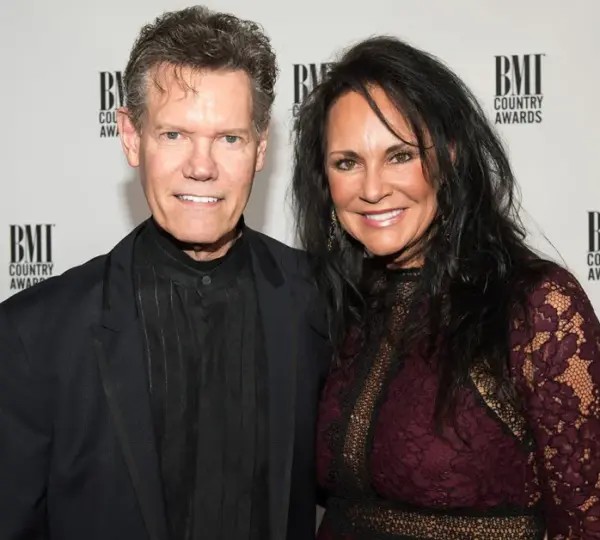
The Day the Music Went Silent
It was July 2013, and Randy Travis — the voice that had defined traditional country music for decades — was at home in Texas, dealing with what he initially thought was a case of walking pneumonia.
But that was just the beginning of a cascade of events that would change his life forever.
Randy’s breathing became increasingly difficult. Within a day, he was rushed to a hospital in Dallas with viral cardiomyopathy, a condition in which the heart muscle becomes weakened by a virus.
Then, just as doctors were trying to stabilize him, something even worse happened: his heart failed, and he suffered a massive stroke.
In an instant, the man known for a voice as iconic as “Forever and Ever, Amen” was in a coma — unresponsive and hanging by a thread. Doctors put him on life support after his lungs filled with fluid.
They were forced to battle infections, including pneumonia and staph, and perform multiple surgeries to relieve pressure on his brain and to keep him alive.
At one point, hospital staff told Mary that Randy’s chances of surviving were less than one percent.
They told her that if he did survive, he would almost certainly never talk again, never sing, never walk unaided, and never live any kind of independent life.
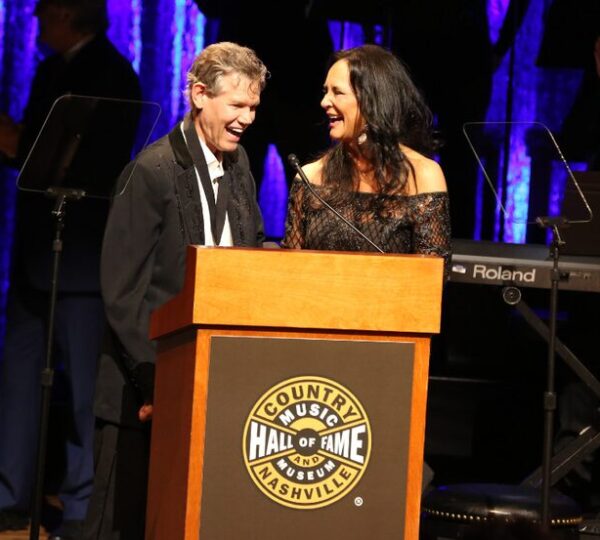
When Hope Was a Whisper, Mary Held the Torch
But Mary didn’t give in. Not for a moment.
She was there at his bedside every day — sometimes for hours — speaking to him, holding his hand, and refusing to abandon hope even when it seemed all but gone.
She listened as doctors laid out grim prognoses. She watched others say goodbye and prepare for the worst.
And yet, in the middle of a sterile hospital room filled with machines and monitors, she felt something that no scan, no chart, and no charted probability could measure: Randy was still in there.
There was a moment — a moment Mary would later describe as pivotal — when everything hung in the balance. The medical team recommended that she let go of life support.
They believed the damage was too great and that Randy’s body was too weak to recover.
But Mary refused.
She leaned close to his unconscious form and spoke with a conviction that surprised even her: “You’re going to fight. And if you’re going to fight, we’re going to fight with you.”
And then, something miraculous happened.
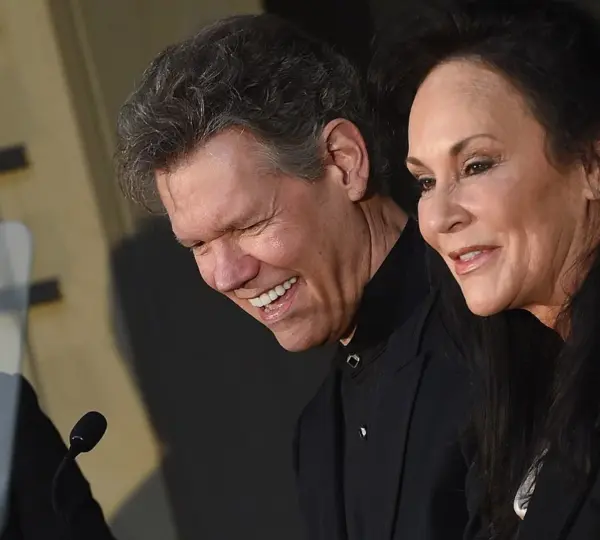
Randy’s hand squeezed hers — a single, faint squeeze, but enough. A tiny tear slid down his cheek. In that moment, Mary knew what the doctors could not: he was still fighting.
She told that to the medical team. She stood firm. She insisted they do more, try more, and never give up. For Mary, giving up was never an option.
The Long Road Back
From that day forward, Mary became more than a wife — she became Randy’s chief advocate, anchor, and emotional cornerstone.
She fought for every treatment plan, every therapy option, and every extra minute Randy needed. She never left his side during months in the hospital, and then months in rehabilitation.
Doctors had warned that Randy might never speak or sing again. He had lost much of the left side of his brain’s speech center to the stroke — a condition known as aphasia, which dramatically affects communication.
He also lost much of the physical ability he once took for granted, and had to relearn how to walk, read, and write.
Still, he refused to quit.
Mary stood beside him through every physical therapy session, every setback, every emotional valley.
When the pain and frustration mounted, she reminded him of what he had — and of what he still could become.
They leaned on their faith every step of the way, believing that God had not only saved his life but had a purpose yet to unfold.
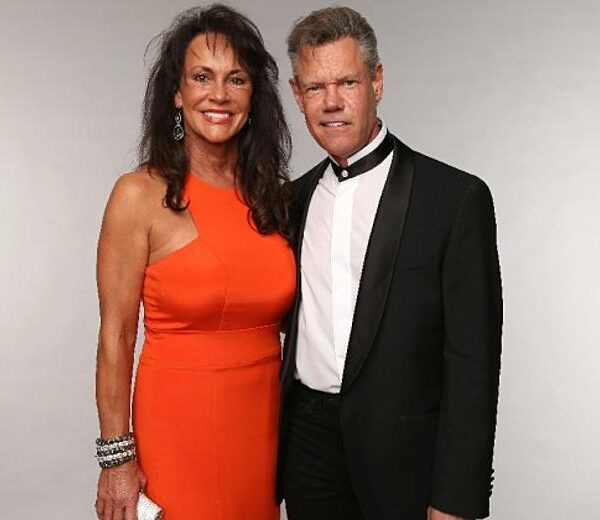
From Hospital Beds to the Country Music Hall of Fame
After nearly six months of hospital and rehab stays, Randy was finally able to go home in November 2013 — just in time for Thanksgiving. His road was far from over, but he had survived.
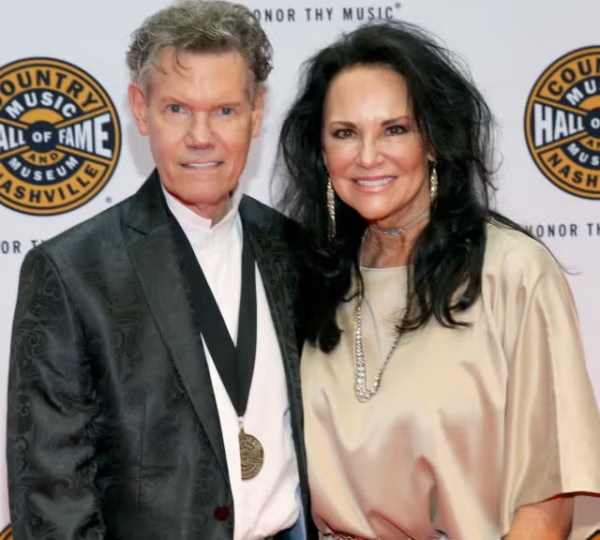
Just three years after his stroke, in 2016, he was inducted into the Country Music Hall of Fame. Unable to speak clearly or sing as he once had, he still took the stage.
And in a moment that left audiences in tears, he performed “Amazing Grace.”
The performance was shaky and emotional — his voice not what it once was, his delivery imperfect yet powerful — but it was a testament to human spirit and the love that had sustained him.
The crowd rose to their feet, not just for the music, but for the meaning behind it.
When Mary stepped forward to speak on his behalf that night, she honored not only his legacy in country music, but the resilient partnership that had gotten him there.
She spoke of love, determination, and daily courage. She spoke of a man who wanted to fight, and wouldn’t let him be written off.
Love That Didn’t Quit — and a Life Still Being Written
Over the years that followed, Randy continued to make progress. He worked every day on his speech and physical mobility.
He continued to understand the world around him deeply — even if expressing it remained difficult — and he found meaningful ways to stay connected to his fans and his music.
In recent years, technology has allowed him to connect with audiences in new ways, including using AI-assisted vocal recreation to release new music that echoes the voice that once defined a genre.
Through all of it, Mary remains at his side — not simply as a caregiver, but as his partner, champion, and constant companion.
Theirs is a relationship rooted not just in love, but in unwavering commitment, even when all odds pointed toward despair.
Today, Randy and Mary split their time between appearances, quiet life on their Texas ranch, and celebrating every small victory that most of us take for granted.
He may not be the same voice that once topped country charts, but his journey continues to inspire fans around the world — not because he found an easy road, but because he never stopped walking it.
What Their Story Teaches Us
Randy Travis’s story is not just about survival — it’s about the profound impact that one person’s faith and refusal to give up can have on another’s life.
It’s about a woman who stood tall when experts recommended surrender. It’s about love that doesn’t buckle under pressure, but stands firm through every twist and turn.
Mary didn’t just stand by Randy’s side — she stood for him.
She reminded the world that medicine can inform, but faith and love can transform.
And because of that, Randy Travis is still here today, not just as a memory of past hits, but as a living, breathing testament to endurance and hope.
In an age where so many stories end prematurely, their story endures. That’s love. That’s hope. That’s Randy and Mary — and that’s life.
