The silence in the house wasn’t peaceful; it was heavy, the kind that presses against your eardrums like deep water. I stood by the bay window, the sheer curtains drifting slightly from the vent’s airflow, watching the taillights of my son’s GMC Yukon fade into the dusk. They were red embers dying out in the gray Midwest evening, swallowed by the row of identical maple trees lining the street.
David had looked handsome in his navy blazer, the one I’d steamed the wrinkles out of just an hour before while he complained about the dry cleaner shrinking his collars. His wife, Sarah, looked radiant in a silver dress that shimmered like a brook trout. They were heading to the anniversary dinner for her parents—a grand affair at the country club downtown, complete with a jazz quartet and a three-course menu I had heard Sarah brag about on the phone for weeks.
A family celebration. A gathering of the “inner circle.”
But I was still here.
I looked down at my hands. They were weathered, mapped with the veins of sixty-eight years of work, mostly done for the people who had just driven away. I wasn’t invited. It hadn’t been spoken aloud, no dramatic confrontation where glasses were thrown or insults hurled. Just a slow, deliberate erasing.
First, it was the logistical excuse: “Oh, the car is full with the car seats, Mom. We’d have to take two cars, and parking downtown is a nightmare.”
Then it was the concern-troll excuse: “It’s going to be a late night, really loud music. You know how you get with your migraines. You need your rest.”
And finally, just the silence of the front door clicking shut.
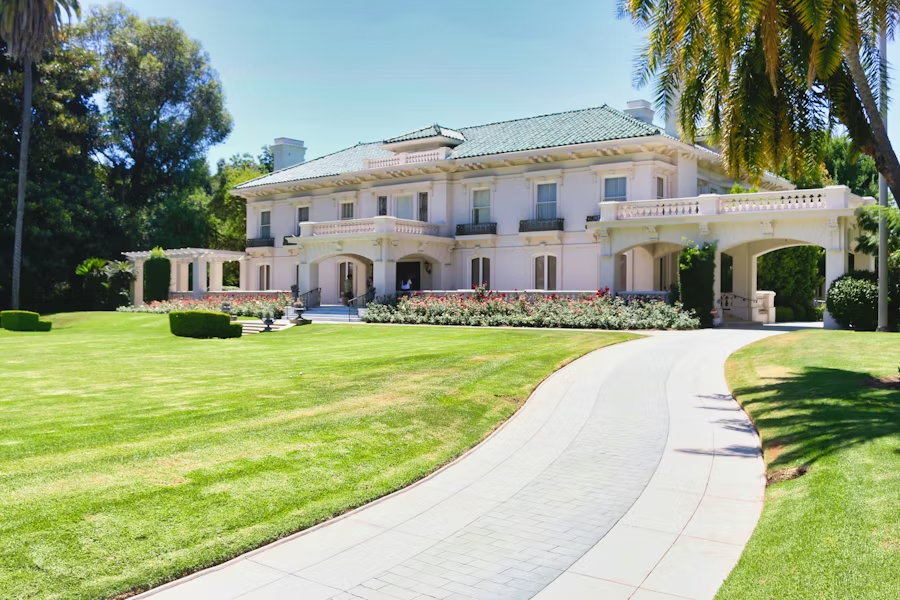
The house, a sprawling colonial on a respectable cul-de-sac in Ohio, felt too big for one person. It smelled of the lemon polish I used on the floors every Tuesday and the faint, lingering scent of Sarah’s expensive perfume—Santal 33, I think she called it. A hundred dollars an ounce, while she complained about the price of store-brand milk.
I turned back to the kitchen. It was spotless. I kept it that way because it was the only way I knew to pay rent in a house I technically owned.
My phone buzzed on the granite countertop. The vibration sounded violent in the quiet room. The screen lit up, casting a blue glow over the bowl of wax fruit. It was a text from Sarah.
“Mom, remember to heat up the leftover portion in the fridge. Don’t let it go to waste. Also, can you switch the laundry? David needs his gym gear for tomorrow.”
I stared at the words. “Don’t let it go to waste.”
I walked to the refrigerator, a stainless steel behemoth that cost more than my first car. I opened it. There, sitting on a glass shelf, was a plastic takeout container. Inside was half a rotisserie chicken from the grocery store, the skin flabby and cold, and a scoop of congealed macaroni salad.
That was my dinner. While they dined on filet mignon and toasted with Cristal champagne, I was instructed to manage the garbage.
Something inside me, a tiny tether that had been fraying for five years, finally snapped. It didn’t make a sound. It just gave way.
I typed two letters: “OK.”
Then I set the phone down. I didn’t cry. Tears are for when you have hope that things might change, for when you believe your distress might matter to someone. I had something different now. I had clarity. The hum of the refrigerator seemed to grow louder, filling the space where my family used to be. I looked around the kitchen I had renovated for them, the quartz countertops I had paid for when David said they were struggling to “keep up appearances,” and I realized the truth.
I wasn’t a mother here. I wasn’t a grandmother. I was an appliance. I was a utility that kept the house running, heated the leftovers, and stayed out of sight. I was a Roomba with a heartbeat.
The Archaeology of a Lost Life
I walked to the hallway closet. The floorboards didn’t creak; we had fixed them last year with money I withdrew from my IRA. I reached up and pulled down the old leather suitcase Arthur and I had bought for our trip to Santa Fe twenty years ago. It was dusty, smelling faintly of cedar and old tobacco, but the leather was still supple. Arthur always bought quality.
“Buy it once, Margaret, and you never have to worry about it again,” he used to say, rubbing the leather with a soft cloth.
He would have burned this house to the ground if he saw how they treated me. He was a gentle man, but he had a line. David was his son, but Arthur believed that respect was the rent you paid for room on this earth. David was currently in arrears.
I carried the suitcase to the guest room—my room. It used to be the sewing room, a small box at the back of the house near the garage entrance. When I sold my own three-bedroom ranch to move in and “help with the grandkids,” this is where I landed. The walls were painted a generic beige. There were no pictures of me on the walls, only framed prints of generic flowers Sarah had bought at Target.
I opened the suitcase on the bedspread.
I didn’t pack clothes first. I packed the things that proved I existed before I became their housekeeper. I took the locket Arthur gave me for our twenty-fifth anniversary. Inside was a picture of us, young and windblown on a pier in Chicago, laughing at a joke the wind had swallowed. I took the three framed photos of the grandkids—Leo and Maya—that I kept on the dresser. I had paid for those prints at Walgreens because Sarah never sent me the digital files. She posted them on Instagram for strangers to love, but never sent them to the woman who wiped their noses.
I packed the spiral notebook from my nightstand. It was filled with recipes, yes, but also my thoughts, my bad poetry, the dates of every doctor’s appointment I had driven the kids to because Sarah was “too swamped” at her part-time marketing job.
Then came the clothes. Simple things. Slacks with elastic waists, cardigans, comfortable walking shoes. I moved with a mechanical precision. Fold, tuck, smooth. The same care I used when I folded David’s Little League jerseys forty years ago, stitching his name on the back so he wouldn’t lose it.
I paused at the bottom drawer. There lay the expensive cashmere sweater they gave me last Christmas. It was beautiful, soft as a cloud. I touched it, remembering the moment I opened it. Sarah had her phone out, filming my reaction for her “story.”
“Look how much she loves it!” she had narrated to her followers.
I didn’t take the sweater. It stayed in the drawer. It was a prop, something to make them feel generous, not something that kept me warm.
When the suitcase was zipped, I stood in front of the hallway mirror. The woman staring back had gray hair cut in a sensible bob and tired eyes, but her jaw was set. I smoothed my blouse. I looked like a woman who had a train to catch.
The Paper Trail on the Mahogany Table
I walked through the house one last time. It was a museum of my unseen labor. The folded throw blankets, the polished banister, the empty sink. I unplugged the coffee maker—safety first, always a mother. I wiped a smudge off the foyer table. I left the house exactly as they liked it: perfect, sterile, and ready for them.
But I wasn’t leaving it empty.
I sat at the dining room table. The mahogany wood was cool under my palms. This was the table where we had Thanksgiving dinners, where I served the turkey and cleared the plates while they laughed about work and politics, never asking me my opinion.
I reached into my purse, a sturdy leather tote that had seen better days, and pulled out a large manila envelope. I had kept it in my safe deposit box for three years, ever since the “arrangement” began to sour. I had hoped I would never need to open it. I had hoped that love would be enough of a contract.
I opened the envelope and pulled out the deed to the house.
It wasn’t in David’s name. It wasn’t in Sarah’s. It was in mine: Margaret H. Miller.
When they had financial trouble five years ago—David’s failed startup, Sarah’s student loans—I sold my home to buy this one outright for them. We agreed verbally that it was “their” house to save David’s pride. He told the neighbors he bought it. He told his friends he was crushing it.
But legally? I was the owner. I paid the property taxes. I paid the insurance. I paid for the new roof when the storm hit in ’21.
Next to the deed, I placed a handwritten ledger. It wasn’t spiteful; it was accurate. It listed every utility bill I had paid, every grocery run (roughly $800 a month), every time I covered the cost of the kids’ summer camps because David was “light this month.”
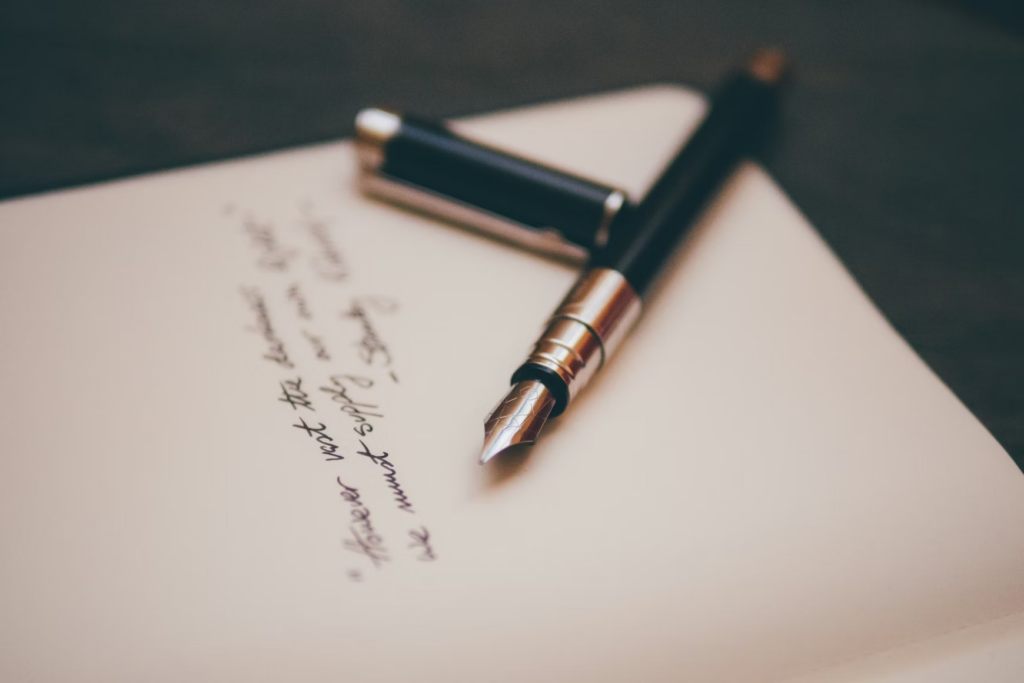
And finally, I wrote a note. I didn’t use a greeting card with flowers on it. I used a piece of plain printer paper from the printer I had bought them.
“Dear David and Sarah,
I heated up the leftovers, just like you asked. But I realized I wasn’t hungry for what you were serving anymore.
The deed is on the table. You have relied on my silence and my wallet for five years. You treated me like a ghost in my own property. So, I am becoming one.
I am going to visit my sister Betty in Florida. I might stay a week. I might stay forever. While I am gone, you will need to figure out how to pay the taxes, the insurance, and the maintenance. The ‘utility’ has been shut off.
You asked me not to let things go to waste. I agree. I am no longer wasting my remaining years.
Mom.”
I placed the pen on top of the paper. It looked stark against the dark wood. A single bulb hummed overhead, casting a spotlight on the truth I had been too polite to say out loud for years.
The Exodus
I picked up the suitcase. It felt lighter than it should have. Maybe because I wasn’t carrying the weight of their expectations anymore.
I walked to the front door and opened it. The night air rushed in, smelling of cut grass and the cooling charcoal of a neighbor’s grill. It was the smell of suburbia, of safe lives and quiet, desperate moments.
I stepped out onto the porch. The motion sensor light clicked on, bathing me in a harsh white glow. A security patrol truck rolled past with county plates. The driver, a heavyset man named Miller who sometimes waved, gave a slow nod. I nodded back. Just a neighbor. Just an old woman with a suitcase. Nothing to see here.
I didn’t have a car—Sarah used my sedan for the nanny she hired on weekends because she “didn’t want to burden me,” even though I was home all day. The irony was sharp enough to cut. I had called a rideshare. The app on my phone showed the driver was two minutes away.
I waited by the curb. The flag across the street at the Henderson’s house lifted once in the light wind and settled back down. The neighborhood was asleep, or pretending to be.
When the car pulled up—a silver Toyota with a dent in the rear bumper—a young man with a nose ring rolled down the window.
“Margaret?”
“Yes,” I said. I lifted my suitcase. He popped the trunk.
I got in the back seat. It smelled of vanilla air freshener and stale cigarettes.
“Heading to the airport, ma’am?” he asked as I buckled in. He glanced at me in the rearview mirror, perhaps wondering why a grandmother was fleeing into the night.
“No,” I said, watching the house recede in the side mirror. The porch light was still on, a lonely beacon for a ship that had already sailed. “Take me to the Greyhound station downtown. I want to see the country from the ground.”
We turned the corner, and the house disappeared behind a hedge of arborvitae. My chest loosened. A knot that had been tied tight for five years suddenly unraveled. I took a deep breath. It tasted like gasoline and freedom.
The Bus Ride: A Corridor of Lost Souls
The Greyhound station was a fluorescent-lit purgatory of plastic chairs and vending machines. It was a far cry from the country club where my son was currently ordering a second bottle of wine.
I bought a ticket to Fort Lauderdale. It was a twenty-four-hour ride with transfers in Nashville and Atlanta. I didn’t care. I wanted the time. I wanted the miles to be physical, something I could feel in my bones.
I boarded the bus and found a window seat near the back. The engine rumbled beneath me, a deep vibration that felt like the earth growling. Next to me sat a young woman with pink hair and a sleeping toddler in her lap. She looked exhausted, her eyeliner smudged, clutching a diaper bag like a shield.
“Is this seat taken?” I had asked.
“No,” she whispered, shifting the baby. “Just us.”
As the bus pulled out onto the highway, the city lights streaming past like ribbons of neon, I thought about the last time I took a bus. I was twenty-two, moving to Chicago to marry Arthur. I was full of hope then. I was full of fear now, but a different kind. Not the fear of the unknown, but the fear of going back to the known.
Around 2:00 AM, somewhere in Kentucky, the young woman stirred. The baby whimpered. She fished a bottle out of the bag, but it was empty. She looked panic-stricken.
“Here,” I said softly. I reached into my tote and pulled out a bottle of water and a packet of biscuits I had packed. “I have some water. You can mix the formula.”
She looked at me, her eyes wide. “Thank you. I… I forgot to fill it at the station. My head is all over the place.”
“It happens,” I said. “Where are you headed?”
“South,” she said. “Away from a mistake.”
“Me too, honey,” I said. “Me too.”
We talked in whispers as the miles rolled by. Her name was Chloe. She was leaving a boyfriend who shouted too much and worked too little. She reminded me of myself, years ago, before I learned to make myself small to fit in someone else’s life.
“You’re brave,” Chloe told me. “Leaving at your age. My grandma hasn’t left her porch in ten years.”
“Bravery is just running out of patience,” I told her.
By the time we hit Nashville, the sun was bleeding pink and orange over the skyline. My back ached, my legs were stiff, but my mind was sharper than it had been in a decade. I checked my phone.
It had begun.
The Discovery: Chaos on Elm Street
I wasn’t there, but I can reconstruct the scene with forensic accuracy. I know the players.
It would have been 11:30 PM. The anniversary party was over. David would be slightly tipsy, his tie undone, feeling the expansive generosity of a man who has just been praised by his in-laws. Sarah would be complaining about her feet, carrying her heels in her hand.
They would unlock the door, expecting the house to be warm, the lights dimmed, perhaps the smell of a fresh pot of coffee I sometimes brewed for their return.
“Mom?” David would call out, tossing his keys into the ceramic bowl. “We’re home. The Parkers asked about you.” (They hadn’t, of course, but David liked to smooth over reality).
Silence.
“She’s probably asleep,” Sarah would say, walking toward the kitchen. “Did she do the laundry? I need those gym shorts.”
They would enter the kitchen. The counter was wiped. The dishwasher was humming. But the specific silence of an empty house is unmistakable. It’s a vacuum.
Then, the dining room.
The single light I left on would draw them. They would see the stack of papers. The manila envelope.
David would pick up the note first. I imagine his brow furrowing, that little vertical crease appearing that he got from Arthur. He would read it once, confused. Then twice, the alcohol evaporating from his system as the words took hold.
“What is it?” Sarah would ask, pouring a glass of water from the fridge dispenser.
He wouldn’t speak. He would just hand her the paper.
Then he would look at the deed. He would see my name. He would look at the ledger. He would see the numbers—thousands of dollars, month after month. The mortgage he told everyone he paid? Non-existent. The taxes? Paid by “The Utility.”
Sarah would read the note. The glass might shake in her hand. “She left?” Her voice would be high, incredulous. “But… the kids? The plumber is coming Tuesday! Who is going to wait for him?”
Even in shock, her first thought was logistics. Her first thought was the inconvenience of my absence, not the absence itself.
David would look around the room. He would look at the empty chair at the head of the table. He would realize that the “leftover” wasn’t the chicken. It was me. And I had finally cleared myself from the table.
The Barrage
My phone started vibrating in Nashville. I was sitting in a booth at a Waffle House near the bus station, eating hash browns and drinking coffee that tasted like battery acid. It was delicious.
Buzz. David (5 Missed Calls) Buzz. Sarah (3 Missed Calls) Buzz. Text from David: “Mom, where are you? This isn’t funny.” Buzz. Text from Sarah: “The kids are crying. How could you do this to them?”
I watched the notifications slide down the screen. I didn’t swipe to open them. I didn’t feel the urge to explain. The letter explained everything.
I took a sip of coffee. A waitress named Darlene, who had hair the color of a stop sign, topped me off.
“Bad breakup, hon?” she asked, eyeing the vibrating phone.
“Something like that,” I said. “Breaking up with my old life.”
“Best kind,” she said, popping her gum. “Don’t look back. You’ll turn to salt.”
I turned off the phone.
Florida: The Sanctuary
I arrived in Fort Lauderdale two days later. The air was thick and humid, smelling of salt and exhaust. My sister Betty was waiting at the curb in her 2015 Ford Escape.
Betty is three years older than me, a widow who wears caftans and oversized sunglasses and drinks gin and tonics at 4:00 PM. She never had children. She always said, “I like my freedom more than I like a legacy.” I used to pity her. Now, I envied her.
She hugged me, enveloping me in a cloud of lavender perfume.
“You look like hell, Margaret,” she said, pulling back to inspect me. “But you have a spark in your eye I haven’t seen since Arthur passed.”
“I feel like I just woke up from a coma,” I said.
We drove to her condo in Boca Raton. It was small, colorful, and cluttered with art she had painted herself. It was alive.
That first night, we sat on her lanai, listening to the palm fronds rustle in the wind. I told her everything. The small slights. The ignored birthdays. The way Sarah would talk about me in the third person while I was standing right there. “Oh, Mom doesn’t understand technology,” she would say, while I was literally fixing the Wi-Fi router she had unplugged.
Betty listened, smoking a thin cigarette.
“They’re parasites, Maggie,” she said bluntly. “And you let them feed. But you pulled the tick out. Now you have to let the wound heal.”
“They’re calling non-stop,” I said.
“Let them,” she said. “Let them figure out how to be adults. David is forty years old. If he can’t figure out how to pay a water bill, he deserves to be thirsty.”

The War at Home
Back in Ohio, things were unraveling fast. I know this because Mrs. Henderson, the neighbor across the street (the one with the flag), called me a week later. We had been in a bridge club together years ago.
“Margaret, what on earth is going on over there?” she whispered into the phone. “I saw a landscaping truck pull up, look at the lawn, and drive away. The grass is getting high.”
I chuckled. I used to pay the landscapers in cash on the first of the month.
“And yesterday,” Mrs. Henderson continued, the glee evident in her voice, “I heard shouting. Real loud shouting. Something about ‘Where is the money, David?’”
I felt a twinge of guilt, a reflex, but I stamped it down. “They’re learning, Alice,” I said. “It’s a crash course in homeownership.”
Apparently, the reality of their finances had hit them like a freight train. Without my “rent” (which was actually me paying for everything), they were underwater. David’s “startup” was barely generating revenue. Sarah’s salary barely covered her shopping habits.
They had hired a nanny, a girl named Jessica, two days after I left. Mrs. Henderson told me Jessica quit after four days. Apparently, Sarah expected her to cook, clean, watch the kids, and do the laundry for minimum wage.
“She told Sarah she wasn’t a slave,” Alice reported. “Can you imagine?”
“Yes,” I said. “I can imagine.”
The Return of the Prodigal Son
Three weeks after I left, David showed up.
I was at the community pool with Betty, wearing a swimsuit for the first time in fifteen years. The water felt miraculous on my aching joints. I saw him walking through the gate, looking sweaty and out of place in his suit pants and dress shirt. He looked thinner. Dark circles bruised the skin under his eyes.
He spotted me and marched over to the edge of the pool.
“Mom,” he said. His voice was cracked.
I swam to the edge but didn’t get out. I stayed in the water, buoyant and light. “Hello, David.”
“You have to come home,” he said. No preamble. No “How are you?” Just the demand. “This is insane. The house is a disaster. The kids miss you. Sarah is… Sarah is losing it.”
“I’m sure she is,” I said calm. “It’s hard work, managing a life.”
“Mom, stop playing games,” he snapped, his old frustration leaking through. “You made your point. You’re the owner. Fine. We acknowledge it. Now come back and let’s go back to normal.”
“Normal?” I looked up at him, shielding my eyes from the sun. “Normal was me being invisible, David. Normal was you spending my retirement money on leases for cars you can’t afford. Normal was you treating me like the help.”
He faltered. “We… we appreciate you. We just get busy.”
“I’m busy too,” I said, gesturing to the pool. “I have water aerobics at two.”
He knelt down, gripping the pool coping. The arrogance drained out of him, replaced by desperation. “Mom, please. We can’t pay the bills. The property tax is due next month. It’s six thousand dollars. I don’t have it.”
“Then sell the house,” I said.
He froze. “What?”
“Sell the house,” I repeated. “I’m putting it on the market next week. I already spoke to a realtor in town. You have thirty days to find a new place. Something you can actually afford.”
“You can’t do that,” he whispered. “That’s our home.”
“It’s my house,” I corrected him. “It was never your home. It was a stage set you couldn’t pay for.”
I pushed off the wall and backstroked away from him. “Go home to your wife, David. Be a father. Be a husband. Stop being a son who needs an allowance.”
He stood there for a long time, watching me swim. Then, he turned and walked away. He looked smaller than I remembered.
The New Lease
I didn’t sell the house immediately. I gave them three months. I’m not a monster; I’m a mother. But I made them sign a rental agreement. They had to pay fair market rent.
They couldn’t afford it.
They moved out two months later. They rented a townhouse on the other side of town. It has three bedrooms, no granite countertops, and they have to clean it themselves.
I sold the big house. The market was hot. I made a significant profit.
I didn’t move back to Ohio. I bought a condo in Betty’s building. It has a view of the ocean. I painted the walls a soft turquoise. I joined a pottery class. I started dating a man named Samuel, a retired history teacher who opens doors for me and asks me what I think about the news.
I FaceTime the grandkids every Sunday. They seem happier, actually. Sarah is less stressed because she’s forced to be more present. David is working a real job now, in sales. He looks tired, but he looks like a man.
Last week, Sarah texted me.
“Mom, can I get your recipe for the pot roast? The kids miss it.”
No command. No “heat up the leftovers.” A question. A request.
I typed back: “Sure, honey. Here it is. Make sure you brown the meat first. Don’t skip the steps.”
I hit send. Then I put the phone down and went out to the balcony. The sun was setting over the Atlantic, painting the sky in purples and golds. I had a glass of wine in my hand. Samuel was coming over in an hour to make paella.
I thought about the leftover chicken in the fridge back on Elm Street. I hoped they learned that you can’t just leave things in the cold and expect them to be good when you finally decide you’re hungry.
I took a sip of wine. It tasted like grapes and victory.
I am Margaret. I am sixty-nine. And I am no longer waiting to be heated up.
We want to hear your voice! Did Margaret go too far by selling the house, or was it the only way to teach her son a lesson? Have you ever felt like an unpaid employee in your own family?
Let us know what you think about this story in the Facebook video comments. And if you like this story, share it with friends and family—you never know who might need the courage to pack their own suitcase and head for the sunshine.
