Minnesota Erupts In Political Fury As Voters Turn Out Over $1 Billion Fraud Scandal — Pressure Mounts On Ilhan Omar And Gov. Tim Walz As State Enters Its Most Unstable Moment In Years

Minnesota — normally seen as one of the bluest and most politically predictable states in the country — is now experiencing one of the most volatile and emotionally charged moments in its recent political history. What began as scattered frustration over the state’s staggering $1 billion Feeding Our Future fraud scandal has erupted into a wave of loud, angry public demonstrations, viral videos, confrontational town halls, and thousands of residents gathering across Minneapolis, St. Paul, Bloomington, Maple Grove, and Rochester demanding accountability. The phrase “Minnesota is burning,” used in sensational online posts, is not literally accurate — the state isn’t on fire — but politically, the mood is incendiary.
The Feeding Our Future scandal, the largest pandemic-era aid fraud uncovered in the United States, involved nonprofit groups and subcontractors falsely claiming to feed children during COVID while allegedly pocketing hundreds of millions in federal aid. The fraud ring spent the funds on luxury homes, high-end cars, international travel, jewelry, and private real estate investments. Federal prosecutors described the scheme as “shocking in scale,” and sentencing hearings in late 2025 reignited public anger as additional defendants received long prison terms. The case did not directly implicate Rep. Ilhan Omar or Governor Tim Walz, but the public frustration has pulled both into the spotlight. Residents outraged by the scale of the abuse argue that state-level oversight failed catastrophically under Walz’s administration, while Omar has become a lightning rod for broader dissatisfaction, particularly among voters who believe Democratic leadership in the state has grown too complacent.

The rallies that have gone viral online are diverse but overwhelmingly intense. Participants include conservatives, moderates, disillusioned independents, Somali Minnesotans who feel embarrassed and betrayed by fraud committed by members of their community, left-leaning voters demanding transparency, and parents who rely on federal meal programs and fear future corruption. Video clips show people chanting for audits, resignations, and reforms. Others hold signs naming Omar and Walz directly, though neither played any role in approving the fraudulent claims. Their critics argue that leadership should have sounded alarms earlier; their supporters say the outrage is drifting into scapegoating and political opportunism.
One woman interviewed at a Maple Grove rally said, “This isn’t partisan. This is about trust. If the government can’t safeguard money meant for kids, what else are they missing?” In contrast, a man from the outer Twin Cities suburb shouted into a megaphone that “the fraud is proof Minnesota needs new leadership.” This split in tone mirrors the wider division across online forums, where frustration mixes freely with misinformation and heated rhetoric.
The political impact has been immediate. Minnesota, which Democrats have carried in every presidential election since 1976, suddenly appears less stable than before. Pollsters quietly note shifts in suburban sentiment, with some voters expressing exhaustion with scandal, bureaucracy, and perceived defensiveness from state officials. Political strategists from both parties agree: this scandal, and the public fury surrounding it, has scrambled the 2026 political map.

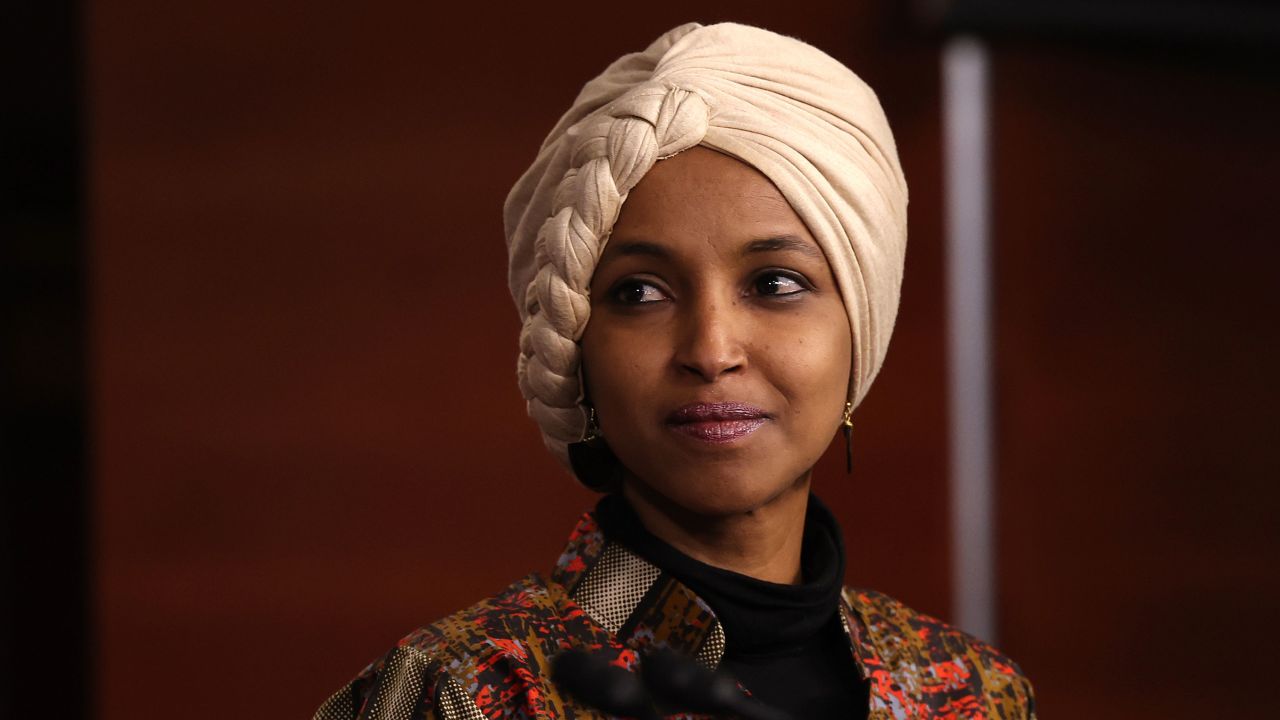
Ilhan Omar released a statement acknowledging that Minnesotans have every right to be angry but warned against what she called “misdirected rage” and “narratives detached from facts.” She emphasized that none of the fraudulent organizations had any connection to her office and encouraged residents to focus energy on systemic reforms rather than personal attacks. Still, Omar privately told aides she is frustrated at being dragged repeatedly into an issue unrelated to her legislative work. Her supporters argue that the criticism she is now receiving is less about the scandal itself and more about longstanding political animosity.
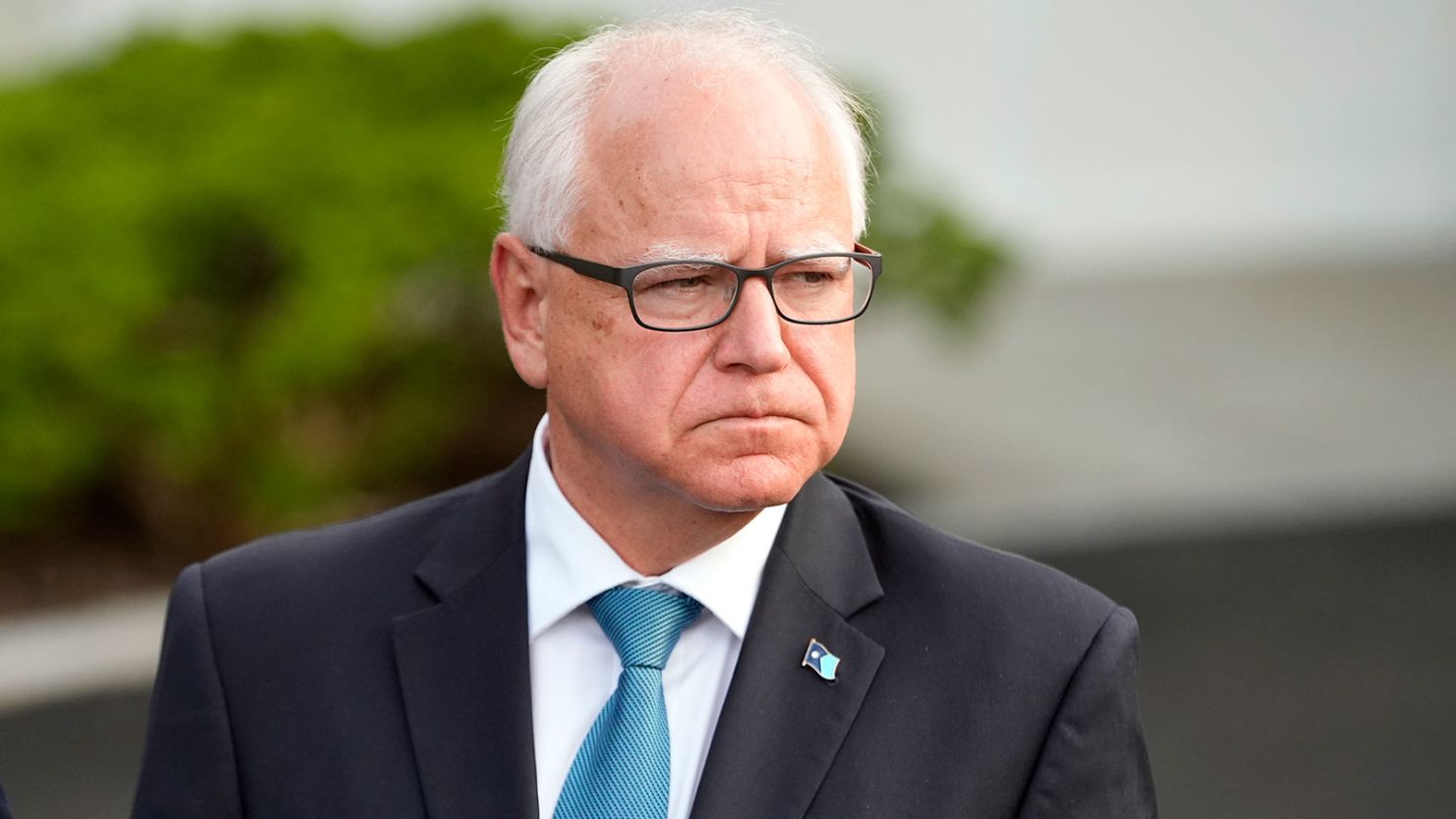
Governor Tim Walz faces the most direct fallout. His administration notified federal authorities early about suspicious activity, and federal filings confirm that the fraudsters actively fought oversight attempts. But critics counter that the state still approved reimbursements and failed to prevent the explosion of fraudulent claims. Walz has pledged full cooperation with ongoing reform discussions, but his approval ratings have tightened noticeably in recent weeks as the scandal dominates political discourse.
Despite the dramatic language circulating online, Minnesota is not literally “burning.” Daily life continues. Schools and state agencies operate normally. But the metaphor reflects a deeper erosion of trust that is now fueling the protests. Citizens from across the political spectrum say they feel blindsided, humiliated, or deceived by what happened — and furious that the case grew so large before being stopped.
Election analysts say the protests are not just a flash of outrage but a sign of shifting civic engagement. Historically low-turnout neighborhoods are showing signs of renewed political interest. Organizations that normally disagree on everything are suddenly aligned around calls for transparency. And political newcomers, sensing a rare opportunity, are already discussing potential runs for office.
Meanwhile, Minnesota lawmakers are scrambling to propose reforms. Both Republicans and Democrats are drafting stricter oversight measures for nonprofit meal programs, federal reimbursement systems, and emergency-aid distribution channels. Some want a bipartisan commission to investigate how oversight broke down. Others propose increased staffing at the Department of Education, which was overwhelmed by pandemic claims.
Community leaders are holding forums to rebuild trust, but it is clear the healing process will be long. The Feeding Our Future scandal has exposed weaknesses in state systems, intensified preexisting political fractures, and amplified voter frustration in ways that will likely shape the next election cycle.
As one political analyst put it, “Minnesota isn’t collapsing. But the ground underneath its political establishment is shifting — and everyone can feel it.”
For now, the question echoing across the state is whether Minnesota’s leaders can restore confidence before voters decide to reshape the state’s political landscape themselves.
