Late-September light sifted through the turning maple leaves, painting the backyard in shades of burnt orange and gold. The air smelled of charcoal smoke, apple cider, and the damp, earthy scent of a season on the brink of change. For the first thirty minutes, if you squinted, it looked like the American Dream in high definition. There was lemonade sweating in a glass pitcher on the patio table. There was flour dusting my six-year-old Emma’s cheeks from where she’d been “helping” in the kitchen. There was my nephew, Lucas, squealing as he rolled down the grassy incline with the littlest cousins.
But beneath the idyllic filter, the air was pressurized. It always was at the Miller estate.
My mother held court in her wicker lawn chair, a glass of Chardonnay balanced precariously on the armrest. She looked like a matriarch from a magazine spread—silver hair coiffed, a cashmere cardigan draped over her shoulders. She was the conductor of this orchestra, and we were all just instruments she played to tune her own ego.
Beside her sat my sister, Madison. Madison, the golden child since birth, sat like a princess next to a queen, her laugh tinkling like wind chimes, perfectly tuned to my mother’s frequency. Madison had never heard the word “no” in her thirty-two years of life. She had floated through college on Dad’s checkbook, landed a “marketing” job through Mom’s connections, and married a man who was equally vacant and equally wealthy.
I stood by the cooler, nursing a lukewarm soda, noting the dynamic and swallowing it down. It was the way you learn to survive when you’re the child who never quite fit the template. I was the “difficult” one because I had opinions. I was the “ungrateful” one because I moved twenty minutes away into a starter home with a mortgage instead of letting them buy me a house with strings attached. I was there because I wanted Emma to know her cousins, and because hope is a stubborn, foolish thing that convinces you this time might be different.
“Sarah,” Aunt Carol chirped, materializing at my elbow. “You look… tired. Are you taking your vitamins?”
“I’m fine, Carol. Just working hard.”
“Well, Madison just got back from Cabo. She looks radiant. You should ask her about her skincare routine.”
I smiled tight enough to crack a tooth. “I’ll do that.”
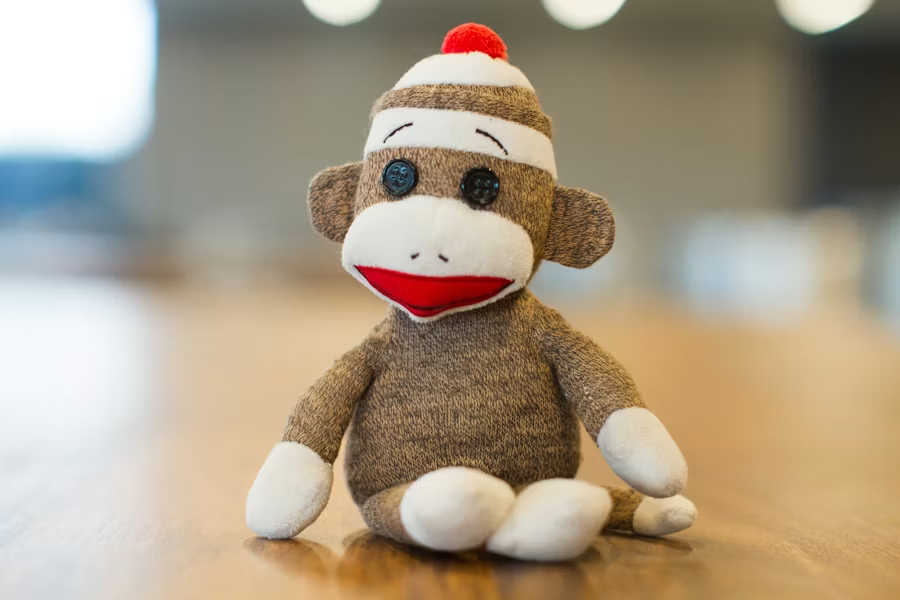
Emma had brought her unicorn. It wasn’t just a toy; it was Stardust. A small, well-loved plush with a mane that had once been a vibrant rainbow but was now matted with love and sleep.
The Weight of Stardust
To understand why what happened next was a crime and not just an accident, you have to understand the unicorn.
It was the last gift Emma had received from her grandmother on her father’s side, my husband Mark’s mom, before she passed away last winter. Nana had been everything my own mother wasn’t: warm, messy, accepting. She baked cookies that burned on the bottom and laughed about it. She sat on the floor and played Legos.
When Nana was in hospice, Emma was terrified. She was only five then. Nana had called her to the bedside, her voice a whisper, and handed her the plush.
“This is Stardust,” Nana had said, her frail hand covering Emma’s small one. “He’s magic. Whenever you feel scared, or lonely, you squeeze him. And I’ll feel it, wherever I am. And I’ll squeeze back.”
Emma believed it. She slept with Stardust. She took him to the dentist. He was her conduit to a love that didn’t hurt.
I had considered leaving the toy at home. My instincts, honed by three decades of navigating my mother’s emotional minefields, told me that anything precious was a target. But Emma had pleaded, her big hazel eyes filling with tears.
“Nana wants to come to the party,” she had said.
How do you say no to that? So I overruled my gut. I wanted a day off from vigilance. I wanted to believe we could just have a barbecue.
Emma found a quiet spot under the sprawling oak tree near the edge of the property. She was narrating adventures to the unicorn, her voice a soft hum. That’s when Olivia drifted over.
The Golden Child Raises a Golden Daughter
Olivia was nine years old, Madison’s daughter, and she was the spitting image of her mother. She wore a dress that cost more than my weekly grocery budget and carried herself with the casual, languid reach of a child who has been taught that “sharing” is a one-way street where traffic flows only toward her.
I watched from the patio. I saw Olivia say something. I saw Emma shake her head, clutching Stardust tighter to her chest. Olivia didn’t ask again; she just reached. It was a grab, entitled and sharp.
I stood up, my body going tense.
A minute later, Emma broke away from the tree line. She was running toward me with that terrifying, hiccuping sob that shakes small bodies to their core.
“Mommy!” she wailed, burying her face in my jeans. “Mommy, Olivia is trying to take him! She says she wants Stardust! Tell her to stay away!”
I smoothed her hair, my heart hammering. “It’s okay, Em. It’s yours. You don’t have to give it to her.”
Before I could crouch down to wipe her tears, the atmosphere on the patio shifted. My mother’s voice cut through the autumn air like a serrated knife.
“What did you say?”
She wasn’t asking Emma. She was looking at me.
She didn’t ask for context. She didn’t ask what happened. She stood up, setting her wine glass down with a sharp clink. Madison watched, a small, amused smirk playing on her lips, as if this were midday entertainment.
“Olivia wants to play with the doll,” my mother stated, not asked.
“It’s not a doll, Mom. It’s Stardust. It was Mark’s mom’s gift. And it’s special. Emma doesn’t want to share it right now, and that’s her right,” I said, keeping my voice level, trying to de-escalate the situation before it turned into a scene.
“Her right?” My mother laughed, a dry, humorless sound. “We do not raise selfish children in this family, Sarah. I don’t know what kind of permissive nonsense you run in your house, but here, family shares. Madison shares. Olivia shares.”
“Olivia wasn’t sharing,” I corrected. “She was taking.”
My mother’s eyes narrowed. This was the trigger. Contradiction.
She walked over to us. She didn’t look at me. She reached down and, with shocking strength, wrenched the unicorn from Emma’s gripping hands.
“No! No, Grandma, please!” Emma screamed, reaching out. “Nana! No!”
“Stop that crying,” my mother snapped. “You are making a scene. You are embarrassing me in front of the neighbors.”
I stepped forward. “Give it back, Mom. Now.”
She ignored me. She turned to Olivia, who was waiting with an expectant hand out. But instead of giving the toy to Olivia, my mother looked at it with disdain. She saw the matted fur. She saw the worn tag. She saw a piece of my husband’s family, a piece of a world she didn’t control.
“If this dirty thing is causing so much trouble,” she said, her voice dropping to a terrifyingly calm register, “then nobody plays with it.”
She walked to the fire pit.
The Fire That Burned the Bridge Forever
The fire pit was roaring, built up by my father earlier to roast marshmallows. The flames popped and breathed, consuming the oak logs.
“Mom, don’t you dare,” I said, my voice rising to a shout. I lunged forward, but my father, who had been staring studiously at the grill, stepped half-heartedly in my path, effectively blocking me for the split second that mattered.
“Dad, move!” I screamed.
He didn’t look at me. He just muttered, “Don’t upset your mother, Sarah. Just let it go.”
“This will teach you about sharing,” my mother said.
She tossed Stardust into the center of the fire.
It didn’t happen like in the movies. It wasn’t slow. The synthetic fur caught instantly. It curled and blackened. The rainbow mane flared up in a burst of toxic green and blue flame. Emma’s scream stopped conversation across the entire lawn. It was a primal sound of loss, a sound that tore through the polite suburban facade.
I shoved past my father. The heat stung my eyes as the plastic eyes of the unicorn melted and the toy collapsed into a unrecognizable charred lump of ash.
It was gone. In seconds, it was gone. Nana was gone again.
Emma collapsed onto the grass, sobbing so hard she was choking. I dropped to my knees to pull her into me, to shield her eyes from the destruction.
But my mother wasn’t done. She didn’t like the noise. She didn’t like the fact that Emma’s grief was making her look like the villain, even though she was the one who had thrown the toy.
She stepped toward us. I was still on my knees.
The sound that followed is a sound my nervous system will recognize until the day I die. It was the sharp, wet crack of an open palm hitting soft skin.
She slapped Emma.
“Stop that noise!” she snarled. “Don’t you ever disobey your cousin again. Whatever she wants, you give her. Do you understand me?”
The world stopped. The birds stopped singing. The wind stopped blowing. Everything inside me went white with a deafening silence, and then, immediately, red with a clarity I had never felt before.
I stood up. I lifted Emma, who was now shaking violently, a bright red handprint blossoming on her tear-streaked cheek.
I looked at the patio. My father was staring at his shoes. Aunt Carol was studying her potato salad. Madison stood behind our mother, arms crossed, that smirk now solidified into a crown of superiority. Not one of them moved. Not one of them spoke. They were accomplices in their silence.
“What is wrong with you?” I asked the yard. My voice wasn’t a scream; it was a low, vibrating growl. “You just burned her keepsake. You just hit my child.”
My mother adjusted her cardigan. She looked annoyed, as if I had spilled a drink on the rug.
“She was being hysterical,” my mother said. “And you were doing nothing to control her. Someone had to discipline her.”
“Discipline?” I felt tears pricking my eyes, not from sadness, but from rage. “You assaulted a six-year-old.”
“Oh, please,” Madison chimed in, rolling her eyes. “It was a tap, Sarah. Stop being so dramatic. And the toy was old anyway. Look at it.” She gestured to the fire. “It was practically garbage.”
“Just give me money,” my mother said briskly, holding out a hand as if asking for a parking ticket. “We’ll buy a brand-new toy for my precious granddaughter. A better one. One that isn’t filled with germs.”
As if grief can be swiped and replaced with a Visa card. As if the problem were merchandise.
“Absolutely not,” I said. “You destroyed something irreplaceable. You hit my child. And you want me to pay for it?”
My mother’s face twisted. The mask slipped. “Get out,” she shrieked. “You and your brat are no longer welcome here until you learn some respect! Get out of my house!”
The Evidence Gathered in the Dark
I didn’t say another word. There were no words left for people like this.
I carried Emma to the car. I buckled her into her booster seat. She was quiet now, the kind of terrified quiet that is worse than screaming. She touched her cheek.
“Why does Grandma hate me?” she whispered.
I gripped the steering wheel so hard the leather creaked. “She doesn’t hate you, baby. She is… she is broken. And we are never, ever going back there.”
I drove home carefully. My vision was blurred, but my mind was sharpening. Rage, I realized, is a fuel. If you let it consume you, you burn. But if you coil it tight, if you compress it, it becomes an engine.
When we got home, Mark was there. He had gotten off early.
I walked through the door carrying Emma, who had fallen into an exhausted, twitching sleep against my shoulder. Mark looked up from the sofa, a smile on his face that vanished the second he saw me.
“What happened?”
I laid Emma down on the couch. I pointed to the handprint on her face, which was now turning a sickly purple.
“My mother,” I said. “And she threw Stardust in the fire.”
Mark went still. It was a terrifying stillness. He walked over to the wall and punched the drywall. Crack. His knuckles bled, but he didn’t seem to feel it.
“I’m going back there,” he said, grabbing his keys. “I’m going to burn that house down.”
“No,” I said, catching his arm. “Mark, listen to me. If you go there, they call the cops. They play the victim. They say you’re the crazy, violent husband. They win.”
“She hit my daughter, Sarah! She burned my mother’s gift!”
“I know. I know.” I pulled him into a hug, feeling his heart hammering against my chest like a trapped bird. “We are going to destroy them. But we are going to do it my way. We are going to do it so they can never come back from it.”
That night, at my kitchen table, while Emma finally slept fitfully with an ice pack near her pillow, I began to work.
I needed proof. The word of a “hysterical” daughter against a pillar of the community matriarch wouldn’t hold up in the court of public opinion, or perhaps even a real court.
I thought about who was there. My dad? Useless. Aunt Carol? An enabler. Madison? The antagonist.
Then I remembered Ben.
My cousin Ben was the black sheep before I took the title. He was quiet, tattooed, and observant. He was at the barbecue, sitting in the back, filming Lucas rolling down the hill.
I texted him. “Did you see it?”
Three dots appeared. Then disappeared. Then appeared again.
“I saw it,” Ben replied. “I have it.”
“What do you mean?”
“I was filming Lucas. The background… it caught everything. The fire. The slap. The audio. I’ve been sitting here trying to figure out if I should send it to you or just delete it because I know it’s going to start a war.”
“Ben,” I typed, my fingers shaking. “Please. Send it to me. Don’t let them get away with this.”
A moment later, a file appeared on my phone.
I watched it. It was worse on video. The callousness of the toss into the fire. The sickening sound of the slap. The way Madison smirked. The way my mother said, “Whatever she wants, you give her.”
I saved it. I backed it up to the cloud. I backed it up to a hard drive. I emailed it to Mark.
Then, I took photos of Emma’s face. I turned on the timestamp feature. I documented the time, the date.
I went to the police station the next morning.

The Nuclear Option Isn’t Always a Bomb
Walking into a police station to report your own mother feels like cutting off a limb. It goes against every biological imperative you have. You are supposed to protect your parents. You are supposed to keep family secrets.
But then I looked at the photo of Emma’s face on my phone. I remembered her asking Why does Grandma hate me?
I sat down with an officer. I showed him the photos. I played the video.
The officer, a man named Sergeant Miller (no relation, thankfully), wince when he heard the slap. He rewound it. He watched the toy burn.
“That’s assault,” he said, his face grim. “And destruction of property. But more than that… this is cruelty, Ma’am.”
“I want to press charges,” I said. “And I want a restraining order. For me and my daughter.”
It took three days for the paperwork to be processed. In those three days, my phone blew up.
It started with the Flying Monkeys. That’s what therapists call them—the people the narcissist sends to do their bidding.
Aunt Carol called first.
“Sarah, honey,” she purred. “Your mother is heartbroken. She says you stormed out. She’s willing to forgive you if you just apologize for causing a scene.”
“She hit Emma, Carol.”
“Oh, it was a swat. We were all swatted in our day. It builds character. You’re blowing this out of proportion. Think of the family. Thanksgiving is coming up.”
“I am thinking of the family,” I said. “My family. We won’t be there.”
My father called next.
“Sarah,” he sighed. “Just… just fix this. She’s miserable. She’s taking it out on me. Just come over, let her buy Emma a new doll, and let’s move on.”
“Did you stop her, Dad?” I asked. “When she walked to the fire, did you stop her?”
“I… I didn’t think she’d actually do it.”
“But she did. And you watched. You’re just as guilty.”
I hung up.
On Thursday afternoon, I knew my mother hosted her bridge club. It was the highlight of her social week. All the ladies from the neighborhood, the ones she bragged to about her perfect family, would be there.
That was when the Sheriff’s deputy arrived to serve the papers.
The Community Crumbles
I wasn’t there, but Ben was. He told me about it later over coffee, a dark satisfaction in his eyes.
The doorbell rang at 2:00 PM. My mother, expecting a caterer or a late arrival, opened the door with her hostess smile plastered on. She was wearing her pearls.
Two uniformed officers stood there.
“Joyce Miller?”
“Yes?”
“We have a summons for you. Assault on a minor. Destruction of property. And a temporary restraining order filed by Sarah Jenkins.”
They didn’t whisper. They stood on the porch, voices carrying into the foyer where the bridge club sat with their tea and crustless sandwiches. Mrs. Higgins, the town gossip, was sitting closest to the door.
“This is ridiculous!” my mother sputtered, turning beet red. “My daughter is dramatic. It was a little spat. A family matter.”
“We have video evidence, Ma’am,” the officer said loudly. “It’s been reviewed by the District Attorney. You need to sign here.”
My mother signed, her hand shaking.
When she turned back to her guests, the room was silent.
“It’s a misunderstanding,” she said, forcing a laugh.
But Mrs. Higgins stood up. “Assault on a minor, Joyce? Is that… surely not.”
“She’s lying,” my mother hissed.
But I didn’t stop at the legal system. The legal system is slow, and my mother had money. She could hire lawyers. She could spin the story. I needed to make sure the social court—the only court she truly cared about—rendered a verdict she couldn’t appeal.
I took the video Ben sent me. I blurred Emma’s face carefully to protect her identity, but I left my mother’s face and voice crystal clear. I left Madison’s smirk in high definition.
I posted it on my Facebook. I posted it on the neighborhood NextDoor group. I didn’t write a long, angry rant. I just wrote:
“This is what happens when you tell a grandmother ‘no.’ This is why we won’t be at Thanksgiving. Please teach your children that no one—not even family—has the right to hurt them.”
The Viral Reckoning
I expected some local gossip. I expected some neighbors to take her side.
I didn’t expect the internet.
Within hours, the video had been shared hundreds of times. Then thousands. It hit TikTok. It hit Twitter. People were horrified by the burning of the toy. They were enraged by the slap.
The line “Whatever your cousin wants, you give her” became a hashtag. It became a symbol of toxic entitlement.
My mother’s phone began to ring, but not with friends offering support. It was strangers. It was news outlets. It was people calling her a monster.
The bridge club stopped coming. The church committee asked her to step down “temporarily” until the legal matters were resolved. Her carefully constructed facade of the perfect matriarch didn’t just crack; it shattered into dust, much like the ashes of the unicorn she threw in the fire.
Madison wasn’t spared. Her employer, a boutique marketing firm, saw the video. They saw their employee smirking while a child was assaulted. They saw the comments identifying her. They put her on “administrative leave” pending an investigation into her “conduct reflecting on the company.”
The Extinction Burst
Before the court date, things got worse before they got better. Psychologists call it an “extinction burst”—when a narcissist realizes they are losing control, they escalate their behavior to terrifying levels to try and get it back.
My mother didn’t go quietly.
She showed up at Emma’s school.
The school called me in a panic. “Mrs. Jenkins, your mother is here. She’s demanding to see Emma. She has a… a new toy. A giant teddy bear.”
“Do not let her in,” I commanded, grabbing my keys. “I have a restraining order. Call the police.”
By the time I got there, the police were already escorting my mother to her car. She was screaming. Not crying—screaming.
“She’s my granddaughter! I have rights! I bought her a bear! Look at it!” She was shoving a six-foot teddy bear at the officer.
Emma watched from the principal’s office window. She wasn’t crying this time. she was just watching, silent and pale.
That night, Emma had the nightmare again. She woke up screaming that her bed was on fire. I sat with her for three hours, rocking her, singing the songs Nana used to sing.
“Is she coming back?” Emma asked.
“No,” I promised. “The police won’t let her.”
“Is she in time-out?”
“Yes. A very long time-out.”

The Courtroom Silence
We ended up in family court for the restraining order hearing two months later. My mother walked in with a high-priced lawyer, looking frail and victimized. She wore a pastel suit, trying to look like a sweet old lady.
She tried to play the “doting grandmother” card. She testified that she was just “disciplining an unruly child” and that the toy was a “health hazard.”
Then my lawyer stood up.
“Your Honor, we would like to submit Exhibit A.”
He played the video on the large screens in the courtroom.
The sound of the fire popping. The scream. The slap.
The courtroom was silent. The judge, a stern woman with glasses on the end of her nose, watched it twice. She watched Madison smirk. She watched my father turn away.
She looked at my mother.
“Mrs. Miller,” the judge said, her voice cutting through the silence. “I see a lot of things in this courtroom. I see bad parents. I see messy divorces. But the malice required to burn a child’s comfort object… that speaks to a character flaw I cannot legislate. That is cruelty for the sake of cruelty.”
My mother opened her mouth to argue, but her lawyer put a hand on her arm to silence her.
“The slap,” the judge continued, “however, I can legislate. That is assault.”
The restraining order was granted. Permanent. Three years. She was ordered to pay restitution for the toy (sentimental value capped, sadly, but she had to pay), and she was ordered to complete 52 weeks of anger management classes if she ever wanted to petition for supervised visitation rights.
Which I would never agree to.
My mother tried to approach me in the parking lot after the hearing, despite the order. She looked smaller. Older. The fire was gone from her eyes, replaced by a confused desperation.
“Sarah,” she called out. “I’m your mother. You’ve ruined my reputation. You’ve ruined everything over a stupid doll. Madison lost her job. Do you know that?”
I buckled Emma into the car. Emma didn’t look at her grandmother. She looked at me.
I turned to my mother one last time.
“I didn’t ruin anything, Mom,” I said. “I just turned the lights on. You did the rest yourself. Madison lost her job because the world saw who she really is. And you lost your family because we finally saw who you really are.”
“You’ll regret this,” she spat. “You’ll need money one day. Or a babysitter.”
“I’d rather hire a wolf to babysit,” I said.
Building a New Kind of Magic
It’s been a year since the barbecue.
We don’t see my side of the family anymore. Ben comes over for dinner sometimes; he’s the only one who broke away. He tells us the house is quiet. He tells us Madison is bitter, blaming me for her career stalling, never taking responsibility for the environment she helped create. She ended up divorced; her husband apparently didn’t like being married to a viral villain.
He tells us Mom sits in her chair, replaying the events, rewriting history in her head to make herself the victim. She tells anyone who will listen that I am mentally unstable and keeping her grandchild away out of spite.
We don’t care.
We have a new tradition. On Sundays, we don’t go to a toxic barbecue. We go hiking. We go to the museum. We stay home and bake cookies and make messes that nobody yells about.
Mark found a custom toy maker online. He sent them pictures of Stardust from before the fire. It took three months, but a box arrived on the porch.
It wasn’t Stardust. We didn’t try to replace him. We knew we couldn’t just swap out the grief.
This unicorn was blue, with silver wings. It was sturdy.
Emma opened the box. She touched the fur tentatively.
“He’s Stardust’s brother,” Mark said gently. “He came to help watch over you.”
Emma named him “Phoenix.”
She knows what happened. We don’t lie to her. We tell her that Grandma has some big feelings she doesn’t know how to control, and that it’s our job to keep Emma safe from people who hurt us, even if we love them.
Last week, I heard Emma playing in her room with a friend. The friend grabbed Phoenix.
I paused in the hallway, the old panic flaring in my chest. I waited for the cry. I waited for the conflict. I waited for the trauma response.
“Hey,” Emma said firmly. “I’m not done playing with that. You can have it when I’m done, or you can find something else.”
“Okay,” the friend said. And picked up a block.
I leaned against the doorframe and let out a breath I felt like I’d been holding for thirty years.
My mother tried to teach Emma a lesson that day in September. She tried to teach her that she didn’t matter, that her possessions were forfeit, and that authority meant submission. She tried to teach her that the Golden Child always wins.
She failed.
Instead, she taught Emma that her voice matters. She taught her that her parents will burn the world down to protect her. And she taught me that the strongest thing you can do isn’t to endure the fire—it’s to walk away from it and never look back.
We are scar tissue now—tougher than the skin that was there before. And we are happy.
Do you think Sarah went too far by posting the video, or was it the only way to protect her daughter? Let us know what you think about this story on the Facebook video and if you like this story share it with friends and family—you never know who needs to hear that it’s okay to cut off toxic family members.
