Tim Conway delivered one of the most memorable and hilariously unforgettable performances in his career as “James Blond,” a parody character on The Carol Burnett Show that affectionately lampooned the world of James Bond.
Unlike the iconic, impeccably skilled secret agents of the silver screen, Conway’s Blond was deliberately clumsy, awkward, and absurdly overconfident — a perfect foil to the suave sophistication of the archetypal British spy.
This version of a spy highlighted Conway’s extraordinary ability to combine physical comedy, impeccable timing, and a keen sense of character, demonstrating that humor could be as engaging as tension or drama in a spy narrative.
Since the release of Dr. No in 1962, the James Bond franchise has showcased a range of actors portraying the iconic 007.
From Sean Connery’s rugged, magnetic charisma to Roger Moore’s witty, playful sophistication;
from Timothy Dalton’s darker, brooding intensity to Pierce Brosnan’s polished suaveness and Daniel Craig’s raw, gritty realism, each actor added a distinct layer to the cinematic spy tradition.
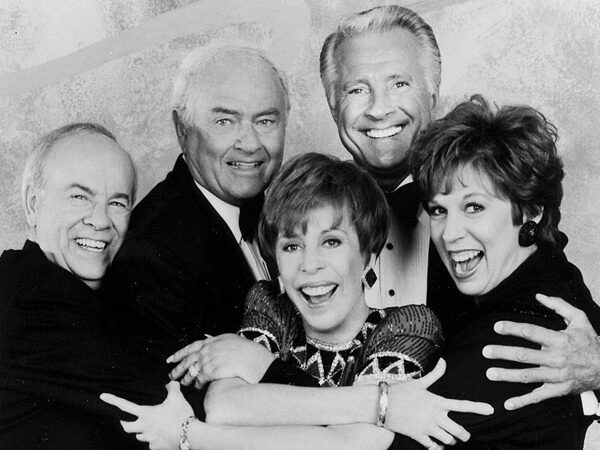
Yet, while these performances relied on charm, precision, and an aura of danger, Tim Conway’s “James Blond” transformed the genre into comedic gold.
It was not just a parody — it was an exaggerated, joyous commentary on the absurdity and formulaic nature of spy films, using intentional ineptitude, slapstick gags, and wordplay to delight audiences of all ages.
The sketch opens with Lyle Waggoner introducing an episode of Midnight Theater, setting the stage with a dramatic, tongue-in-cheek announcement of an “exciting, super spy adventure” full of sex, brutality, nudity, violence, and double-crossing.
The delivery of this hyperbolic description in a completely deadpan tone immediately signals the sketch’s comedic intent.
The humor lies in the contrast: 1970s television had strict standards for family-friendly content, yet the exaggerated promises of adult intrigue wink at the audience, inviting them to enjoy the absurdity without concern.
This clever juxtaposition established the sketch’s tone early: it was playful, self-aware, and ready to take the spy genre to ridiculous extremes.
From the outset, viewers are transported to a lavish, gold-gilded room adorned with ornate furnishings, chandeliers, and plush rugs.
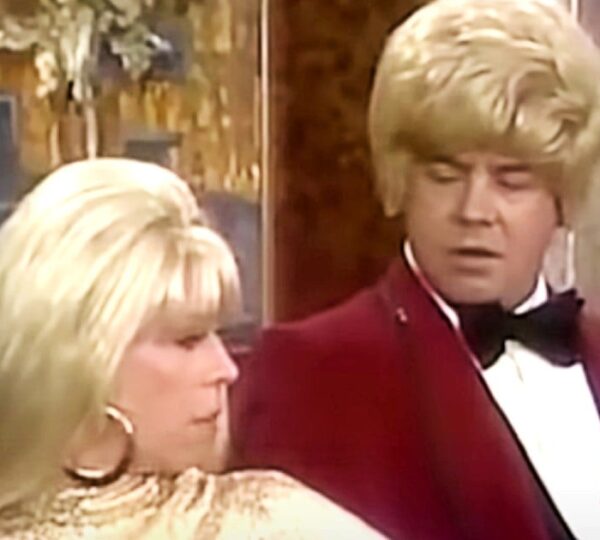
James Blond lounges confidently, or at least he tries to, while being fawned over by two glamorous women.
One is played by guest star Eydie Gormé, who fully immerses herself in the comedic melodrama with exaggerated gestures, swooning expressions, and elaborate hand movements.
Blond’s interactions with the women are interspersed with his “combat maneuvers,” where he dispatches would-be assassins using everyday objects — a lamp, a telephone, or even a decorative vase — all executed with a deadpan seriousness that contrasts hilariously with the absurdity of the situation.
Each movement, tilt of the head, and misstep is carefully timed to maximize comedic effect, demonstrating Conway’s mastery of physical humor.
As the sketch progresses, a contact arrives bearing urgent news: the diabolical Dr. Nose — a punning nod to the classic Bond villain Dr. Julius No — threatens to detonate bombs in major cities unless he receives $3 million.
The scene escalates with Conway encountering bizarre gadgets, absurdly elaborate contraptions, and villainous assistants in outrageously flamboyant costumes.
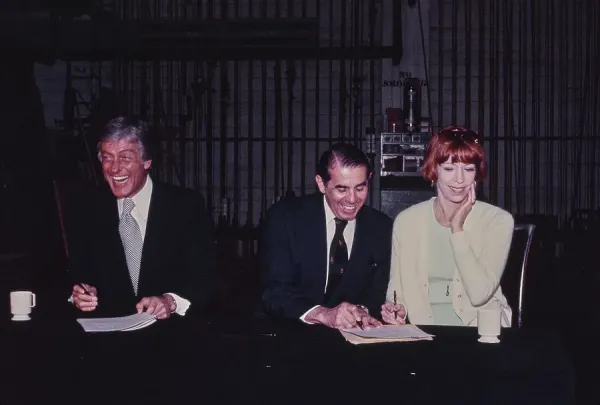
The dialogue sparkles with puns, double entendres, and witty wordplay, highlighting the writers’ understanding of both the spy genre and the mechanics of comedy.
Conway’s genius lies in his ability to maintain a straight face and react with earnestness to the escalating chaos, heightening the comedic tension while making the absurdity even more enjoyable for the audience.
Enter Carol Burnett as Passion Plenty, Dr. Nose’s equally glamorous and mischievous assistant.
Dressed in sparkling gold hotpants and armed with impeccable comic instincts, she engages in a ludicrously exaggerated “kissing duel” with James Blond.
The duel is a perfect blend of visual comedy and romantic parody: each attempts to outdo the other in charm, gestures, and melodramatic expressions.
Blond ultimately wins — barely — leaving Burnett’s character collapsing in a dramatic heap of comedic defeat.
The chemistry between Conway and Burnett elevates the scene, with carefully timed pauses, expressions of exaggerated distress, and subtle facial reactions that make every gag land perfectly.
Their interplay is a masterclass in collaborative comedy, showing how performers’ reactions to each other amplify humor beyond scripted lines.
Blond’s misadventures continue as he infiltrates Dr. Nose’s laboratory.
Here, he faces a series of escalating obstacles: four assistants in flamboyant, brightly colored costumes attempt to hinder him, while the villain himself delivers long-winded, overly dramatic monologues laden with absurd threats and puns.
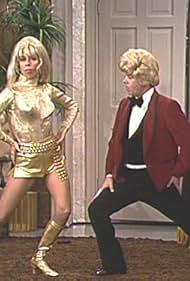
The scene erupts into a frenzy of slapstick chaos: plastic lips designed to block Blond’s kisses, gadgets malfunctioning at inopportune moments, and improbable traps that Blond navigates with a combination of luck, timing, and sheer clumsiness.
Just when his doom seems inevitable, Passion Plenty returns, saving him — only for Conway’s character to fumble the escape, knocking over props, slipping, or bumping into assistants in ways that make the audience erupt in laughter.
Each fall, trip, or mishap is perfectly timed and visually exaggerated, demonstrating Conway’s physical intelligence as a comedian.
What makes this sketch so remarkable is how it embodies the essence of The Carol Burnett Show:
clever writing, physical comedy, exaggerated character work, and performers committed fully to the gag.
There is no malice, no crudeness, and no reliance on shock value — only pure, well-executed comedy.
Conway’s ability to make the audience laugh through awkwardness, facial expressions, and perfectly timed pauses ensures that the humor remains timeless.
Even decades later, the sketch resonates because it evokes genuine joy without depending on topical jokes or mean-spirited humor, allowing it to remain as funny today as it was upon its first airing.
On a deeper cultural level, Conway’s parody serves as a reminder of the enduring power of intelligent, skillful comedy.
In a world often consumed by serious headlines, social conflict, or drama, watching James Blond bumble through ridiculous spy missions is a refreshing experience.
The sketch highlights the timeless appeal of simple, innocent humor — the kind that invites viewers to relax, smile, and forget the stresses of everyday life.
Ecclesiastes aptly reflects this duality: “A time to weep and a time to laugh, a time to mourn and a time to dance.”
Conway’s work perfectly embodies the “time to laugh,” showing that humor can coexist with sophistication, intelligence, and narrative engagement.
The enduring charm of Tim Conway’s James Blond lies not only in his comedic timing but also in his commitment to the absurdity of the world around him.
Every exaggerated gesture, every awkward stumble, and every over-the-top reaction is executed with precision, demonstrating a profound understanding of how humor interacts with character and setting.
His interactions with co-stars, the set, and the audience are seamless, turning every mishap into a lesson in comedic craftsmanship.
Ultimately, James Blond is more than a parody — it is a masterclass in comedy, blending visual gags, character-driven humor, physicality, and impeccable timing.
Conway’s devotion to every scene, every prop, and every expression ensures that this sketch remains a treasured piece of television history.
Decades later, audiences continue to revel in its humor, witnessing a world where spy missions are chaotic, villains are ridiculous, and the hero is hilariously underprepared yet utterly endearing.
Conway’s performance is a celebration of comedy itself: inventive, joyful, and timeless.
Tim Conway delivered one of the most memorable and hilariously unforgettable performances in his career as “James Blond,” a parody character on The Carol Burnett Show that affectionately lampooned the world of James Bond.
Unlike the iconic, impeccably skilled secret agents of the silver screen, Conway’s Blond was deliberately clumsy, awkward, and absurdly overconfident — a perfect foil to the suave sophistication of the archetypal British spy.
This version of a spy highlighted Conway’s extraordinary ability to combine physical comedy, impeccable timing, and a keen sense of character, demonstrating that humor could be as engaging as tension or drama in a spy narrative.
Since the release of Dr. No in 1962, the James Bond franchise has showcased a range of actors portraying the iconic 007.
From Sean Connery’s rugged, magnetic charisma to Roger Moore’s witty, playful sophistication;
from Timothy Dalton’s darker, brooding intensity to Pierce Brosnan’s polished suaveness and Daniel Craig’s raw, gritty realism, each actor added a distinct layer to the cinematic spy tradition.
Yet, while these performances relied on charm, precision, and an aura of danger, Tim Conway’s “James Blond” transformed the genre into comedic gold.
It was not just a parody — it was an exaggerated, joyous commentary on the absurdity and formulaic nature of spy films, using intentional ineptitude, slapstick gags, and wordplay to delight audiences of all ages.
The sketch opens with Lyle Waggoner introducing an episode of Midnight Theater, setting the stage with a dramatic, tongue-in-cheek announcement of an “exciting, super spy adventure” full of sex, brutality, nudity, violence, and double-crossing.
The delivery of this hyperbolic description in a completely deadpan tone immediately signals the sketch’s comedic intent.
The humor lies in the contrast: 1970s television had strict standards for family-friendly content, yet the exaggerated promises of adult intrigue wink at the audience, inviting them to enjoy the absurdity without concern.
This clever juxtaposition established the sketch’s tone early: it was playful, self-aware, and ready to take the spy genre to ridiculous extremes.
From the outset, viewers are transported to a lavish, gold-gilded room adorned with ornate furnishings, chandeliers, and plush rugs.
James Blond lounges confidently, or at least he tries to, while being fawned over by two glamorous women.
One is played by guest star Eydie Gormé, who fully immerses herself in the comedic melodrama with exaggerated gestures, swooning expressions, and elaborate hand movements.
Blond’s interactions with the women are interspersed with his “combat maneuvers,” where he dispatches would-be assassins using everyday objects — a lamp, a telephone, or even a decorative vase — all executed with a deadpan seriousness that contrasts hilariously with the absurdity of the situation.
Each movement, tilt of the head, and misstep is carefully timed to maximize comedic effect, demonstrating Conway’s mastery of physical humor.
As the sketch progresses, a contact arrives bearing urgent news: the diabolical Dr. Nose — a punning nod to the classic Bond villain Dr. Julius No — threatens to detonate bombs in major cities unless he receives $3 million.
The scene escalates with Conway encountering bizarre gadgets, absurdly elaborate contraptions, and villainous assistants in outrageously flamboyant costumes.
The dialogue sparkles with puns, double entendres, and witty wordplay, highlighting the writers’ understanding of both the spy genre and the mechanics of comedy.
Conway’s genius lies in his ability to maintain a straight face and react with earnestness to the escalating chaos, heightening the comedic tension while making the absurdity even more enjoyable for the audience.
Enter Carol Burnett as Passion Plenty, Dr. Nose’s equally glamorous and mischievous assistant.
Dressed in sparkling gold hotpants and armed with impeccable comic instincts, she engages in a ludicrously exaggerated “kissing duel” with James Blond.
The duel is a perfect blend of visual comedy and romantic parody: each attempts to outdo the other in charm, gestures, and melodramatic expressions.
Blond ultimately wins — barely — leaving Burnett’s character collapsing in a dramatic heap of comedic defeat.
The chemistry between Conway and Burnett elevates the scene, with carefully timed pauses, expressions of exaggerated distress, and subtle facial reactions that make every gag land perfectly.
Their interplay is a masterclass in collaborative comedy, showing how performers’ reactions to each other amplify humor beyond scripted lines.
Blond’s misadventures continue as he infiltrates Dr. Nose’s laboratory.
Here, he faces a series of escalating obstacles: four assistants in flamboyant, brightly colored costumes attempt to hinder him, while the villain himself delivers long-winded, overly dramatic monologues laden with absurd threats and puns.
The scene erupts into a frenzy of slapstick chaos: plastic lips designed to block Blond’s kisses, gadgets malfunctioning at inopportune moments, and improbable traps that Blond navigates with a combination of luck, timing, and sheer clumsiness.
Just when his doom seems inevitable, Passion Plenty returns, saving him — only for Conway’s character to fumble the escape, knocking over props, slipping, or bumping into assistants in ways that make the audience erupt in laughter.
Each fall, trip, or mishap is perfectly timed and visually exaggerated, demonstrating Conway’s physical intelligence as a comedian.
What makes this sketch so remarkable is how it embodies the essence of The Carol Burnett Show:
clever writing, physical comedy, exaggerated character work, and performers committed fully to the gag.
There is no malice, no crudeness, and no reliance on shock value — only pure, well-executed comedy.
Conway’s ability to make the audience laugh through awkwardness, facial expressions, and perfectly timed pauses ensures that the humor remains timeless.
Even decades later, the sketch resonates because it evokes genuine joy without depending on topical jokes or mean-spirited humor, allowing it to remain as funny today as it was upon its first airing.
On a deeper cultural level, Conway’s parody serves as a reminder of the enduring power of intelligent, skillful comedy.
In a world often consumed by serious headlines, social conflict, or drama, watching James Blond bumble through ridiculous spy missions is a refreshing experience.
The sketch highlights the timeless appeal of simple, innocent humor — the kind that invites viewers to relax, smile, and forget the stresses of everyday life.
Ecclesiastes aptly reflects this duality: “A time to weep and a time to laugh, a time to mourn and a time to dance.”
Conway’s work perfectly embodies the “time to laugh,” showing that humor can coexist with sophistication, intelligence, and narrative engagement.
The enduring charm of Tim Conway’s James Blond lies not only in his comedic timing but also in his commitment to the absurdity of the world around him.
Every exaggerated gesture, every awkward stumble, and every over-the-top reaction is executed with precision, demonstrating a profound understanding of how humor interacts with character and setting.
His interactions with co-stars, the set, and the audience are seamless, turning every mishap into a lesson in comedic craftsmanship.
Ultimately, James Blond is more than a parody — it is a masterclass in comedy, blending visual gags, character-driven humor, physicality, and impeccable timing.
Conway’s devotion to every scene, every prop, and every expression ensures that this sketch remains a treasured piece of television history.
Decades later, audiences continue to revel in its humor, witnessing a world where spy missions are chaotic, villains are ridiculous, and the hero is hilariously underprepared yet utterly endearing.
Conway’s performance is a celebration of comedy itself: inventive, joyful, and timeless.
