It only took a single note from Chris Stapleton to reduce Garth Brooks to tears — and in that instant, the entire country music world understood why.
It was more than just a performance; it was a collision of talent, emotion, and history, a rare moment where the art of music transcended the stage and became pure human connection.
The setting was the 2020 Library of Congress Gershwin Prize ceremony, an evening dedicated to honoring the lifetime achievements of Garth Brooks, one of the most transformative figures in country music history.
The event was star-studded: Keith Urban, Lee Brice, Ricky Skaggs, Trisha Yearwood, and many more had already graced the stage to pay their respects.
Each artist brought their own style, their own interpretation, their own nod to Brooks’ influence.
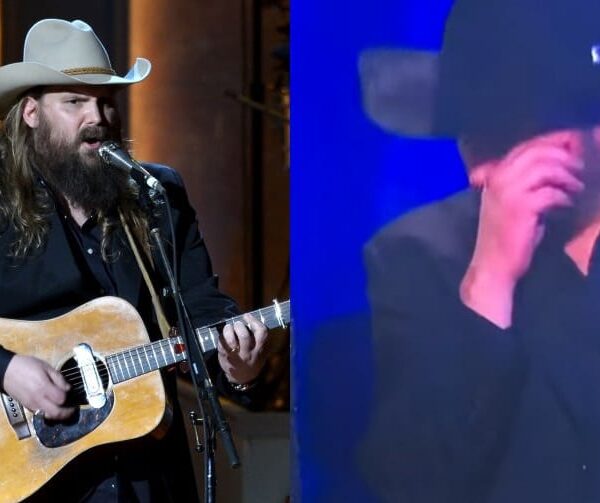
Yet when Chris Stapleton stepped forward, there was an unmistakable shift in the atmosphere. The room went quiet — not in anticipation, but in reverence.
veryone, from the industry heavyweights to the audience in attendance, knew they were about to witness something unforgettable.
The Song That Changed Everything
Stapleton chose “Shameless,” a song with deep roots in Garth Brooks’ career.
Originally penned and recorded by Billy Joel on his Storm Front album, the song found its way into country music history when Brooks recorded it for his 1991 album Ropin’ the Wind.
It was a risk — Brooks had never attempted anything like it before, and it didn’t originate in Nashville, the traditional hub for country hits.
Instead, the song came through an unlikely route: a CD sent to him via a club subscription.
When Brooks first heard Joel’s version, it struck him like lightning.
Something about the melody, the vulnerability in the lyrics, and the raw emotion of the song resonated with him deeply.
He knew he had to record it, and that decision would pay off. “Shameless” reached #1 on the charts, becoming one of Brooks’ most iconic and emotionally charged songs.
But beyond commercial success, it represented a turning point — a moment where Brooks allowed himself to fully embrace vulnerability in a genre often defined by bravado.
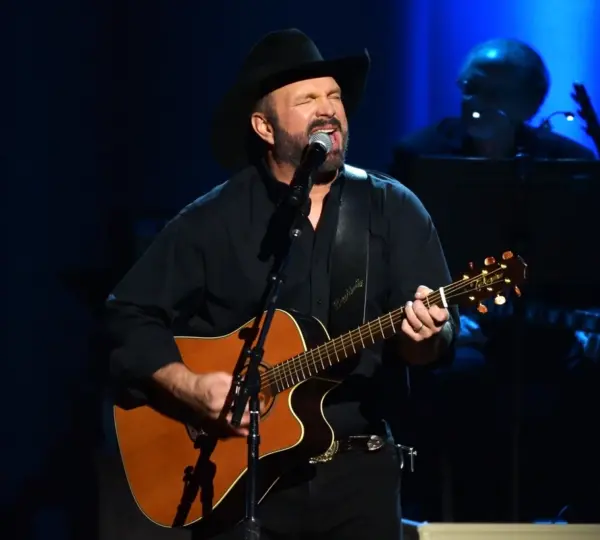
Stapleton’s Performance: More Than a Cover
Chris Stapleton didn’t merely perform “Shameless.” He inhabited it. Every note he sang, every pause he took, every subtle crack in his voice told a story.
Stapleton’s delivery was like watching a master craftsman at work — precise, yet overflowing with soul.
Garth Brooks, a man known for wearing his heart on his sleeve, was visibly affected from the very first chord.
He clutched Trisha Yearwood’s hand, sitting still as though bracing for the emotional tidal wave he knew was coming.
And when Stapleton’s voice filled the room — warm, weathered, and achingly sincere — Brooks could no longer contain himself.
Tears rolled down his cheeks, the kind of tears that aren’t just about sentimentality but about recognizing the depth of artistic truth in front of you.
By the final chorus, Brooks’ response transcended applause. He rose, not to clap, but to salute.
A true, heartfelt gesture that spoke volumes, honoring Stapleton’s ability to channel the essence of Brooks’ original performance while making it entirely his own.
A Dialogue Across Generations
Stapleton’s interpretation highlighted the timeless quality of “Shameless” and the enduring legacy of Brooks’ career.
Here were two artists, separated by decades, united by emotion, storytelling, and the unspoken understanding that music is more than entertainment — it is a language of the soul.
Stapleton’s gravelly, resonant voice brought a new dimension to the song, one that emphasized vulnerability and raw humanity in ways that even the original had only hinted at.
It was a rare moment of convergence: the past meeting the present, the legendary witnessing the modern master, the audience witnessing something that felt both intimate and monumental at the same time.
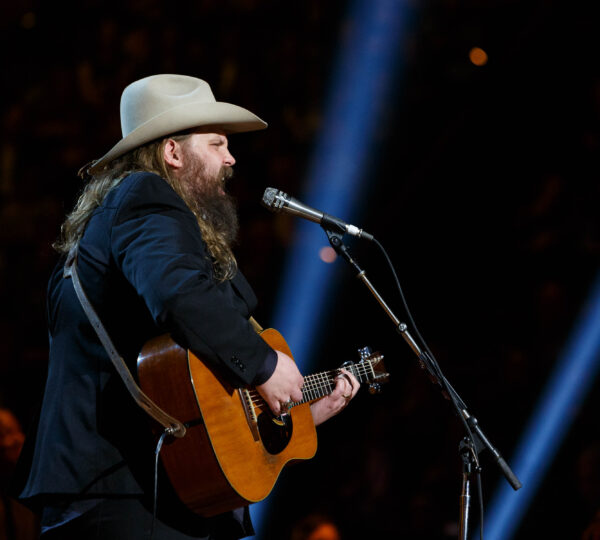
The Fans Reacted in Real Time
Social media erupted as viewers and fans around the world reacted to what they had just seen:
-
“Stapleton could sing anything and make you feel it.”
-
“This isn’t just a performance — it’s a life-changing moment.”
-
“If you can’t feel the emotion in Stapleton’s music, maybe you just don’t have a heart.”
Fans also used the moment to plead with Brooks to release his catalog on streaming platforms so they could legally revisit the song — a testament to the lasting power of both Brooks’ and Stapleton’s artistry.
Country Music Is About More Than Tradition
This night underscored a simple truth about country music: it isn’t defined by hats, boots, or neon beer signs.
It’s defined by honesty, emotion, and the ability to tell stories that resonate across generations.
Chris Stapleton didn’t just make Garth Brooks cry — he reminded the world why country music can pierce the heart, linger in the soul, and leave an indelible mark on anyone willing to listen.
In one note, one performance, one unforgettable moment, Stapleton captured the essence of the genre: raw, authentic, and profoundly human.
For those lucky enough to witness it, that night wasn’t just an award ceremony — it was a testament to the enduring power of music, emotion, and shared humanity. T
he echoes of that performance will linger, like the perfect chord that resonates long after it has been struck — timeless, moving, unforgettable.
Why This Moment Matters
Beyond the tears, beyond the applause, beyond the social media posts, this moment mattered because it celebrated authenticity.
It celebrated risk-taking, vulnerability, and the courage to pour one’s heart into a song.
It reminded artists and fans alike that true artistry isn’t about perfection — it’s about connection.
It’s about telling the truth of human experience in a way that moves people, sometimes to laughter, sometimes to tears, and sometimes to profound awe.
And on that night, in one fleeting, magical performance, Chris Stapleton did all of that — and more.
It only took a single note from Chris Stapleton to reduce Garth Brooks to tears — and in that instant, the entire country music world understood why.
It was more than just a performance; it was a collision of talent, emotion, and history, a rare moment where the art of music transcended the stage and became pure human connection.
The setting was the 2020 Library of Congress Gershwin Prize ceremony, an evening dedicated to honoring the lifetime achievements of Garth Brooks, one of the most transformative figures in country music history.
The event was star-studded: Keith Urban, Lee Brice, Ricky Skaggs, Trisha Yearwood, and many more had already graced the stage to pay their respects.
Each artist brought their own style, their own interpretation, their own nod to Brooks’ influence.
Yet when Chris Stapleton stepped forward, there was an unmistakable shift in the atmosphere. The room went quiet — not in anticipation, but in reverence.
veryone, from the industry heavyweights to the audience in attendance, knew they were about to witness something unforgettable.
The Song That Changed Everything
Stapleton chose “Shameless,” a song with deep roots in Garth Brooks’ career.
Originally penned and recorded by Billy Joel on his Storm Front album, the song found its way into country music history when Brooks recorded it for his 1991 album Ropin’ the Wind.
It was a risk — Brooks had never attempted anything like it before, and it didn’t originate in Nashville, the traditional hub for country hits.
Instead, the song came through an unlikely route: a CD sent to him via a club subscription.
When Brooks first heard Joel’s version, it struck him like lightning.
Something about the melody, the vulnerability in the lyrics, and the raw emotion of the song resonated with him deeply.
He knew he had to record it, and that decision would pay off. “Shameless” reached #1 on the charts, becoming one of Brooks’ most iconic and emotionally charged songs.
But beyond commercial success, it represented a turning point — a moment where Brooks allowed himself to fully embrace vulnerability in a genre often defined by bravado.
Stapleton’s Performance: More Than a Cover
Chris Stapleton didn’t merely perform “Shameless.” He inhabited it. Every note he sang, every pause he took, every subtle crack in his voice told a story.
Stapleton’s delivery was like watching a master craftsman at work — precise, yet overflowing with soul.
Garth Brooks, a man known for wearing his heart on his sleeve, was visibly affected from the very first chord.
He clutched Trisha Yearwood’s hand, sitting still as though bracing for the emotional tidal wave he knew was coming.
And when Stapleton’s voice filled the room — warm, weathered, and achingly sincere — Brooks could no longer contain himself.
Tears rolled down his cheeks, the kind of tears that aren’t just about sentimentality but about recognizing the depth of artistic truth in front of you.
By the final chorus, Brooks’ response transcended applause. He rose, not to clap, but to salute.
A true, heartfelt gesture that spoke volumes, honoring Stapleton’s ability to channel the essence of Brooks’ original performance while making it entirely his own.
A Dialogue Across Generations
Stapleton’s interpretation highlighted the timeless quality of “Shameless” and the enduring legacy of Brooks’ career.
Here were two artists, separated by decades, united by emotion, storytelling, and the unspoken understanding that music is more than entertainment — it is a language of the soul.
Stapleton’s gravelly, resonant voice brought a new dimension to the song, one that emphasized vulnerability and raw humanity in ways that even the original had only hinted at.
It was a rare moment of convergence: the past meeting the present, the legendary witnessing the modern master, the audience witnessing something that felt both intimate and monumental at the same time.
The Fans Reacted in Real Time
Social media erupted as viewers and fans around the world reacted to what they had just seen:
-
“Stapleton could sing anything and make you feel it.”
-
“This isn’t just a performance — it’s a life-changing moment.”
-
“If you can’t feel the emotion in Stapleton’s music, maybe you just don’t have a heart.”
Fans also used the moment to plead with Brooks to release his catalog on streaming platforms so they could legally revisit the song — a testament to the lasting power of both Brooks’ and Stapleton’s artistry.
Country Music Is About More Than Tradition
This night underscored a simple truth about country music: it isn’t defined by hats, boots, or neon beer signs.
It’s defined by honesty, emotion, and the ability to tell stories that resonate across generations.
Chris Stapleton didn’t just make Garth Brooks cry — he reminded the world why country music can pierce the heart, linger in the soul, and leave an indelible mark on anyone willing to listen.
In one note, one performance, one unforgettable moment, Stapleton captured the essence of the genre: raw, authentic, and profoundly human.
For those lucky enough to witness it, that night wasn’t just an award ceremony — it was a testament to the enduring power of music, emotion, and shared humanity. T
he echoes of that performance will linger, like the perfect chord that resonates long after it has been struck — timeless, moving, unforgettable.
Why This Moment Matters
Beyond the tears, beyond the applause, beyond the social media posts, this moment mattered because it celebrated authenticity.
It celebrated risk-taking, vulnerability, and the courage to pour one’s heart into a song.
It reminded artists and fans alike that true artistry isn’t about perfection — it’s about connection.
It’s about telling the truth of human experience in a way that moves people, sometimes to laughter, sometimes to tears, and sometimes to profound awe.
And on that night, in one fleeting, magical performance, Chris Stapleton did all of that — and more.
